

Medically Reviewed and Compiled by Dr. Adam N. Khan, MD.
Quick Answer
- Direct Answer: Yes, prostate cancer directly causes physical and mental fatigue through inflammatory chemical releases, hormone disruptions, and treatment side effects like androgen deprivation therapy (ADT).
- Key Mechanism: Cancer-related fatigue differs from normal tiredness—it is persistent, does not improve with rest, and stems from metabolic strain, anemia, and psychological distress.
- Management: Structured energy conservation, supervised aerobic exercise, medical management of sleep fragmentation, and nutritional interventions are proven ways to regain quality of life.
EMERGENCY WARNING: Seek immediate emergency medical care or contact your oncology team right away if your fatigue is accompanied by sudden chest pain, shortness of breath, high fever above 100.4°F (38°C), confusion, severe muscle weakness, or an inability to pass urine.
Understanding Prostate Cancer and Fatigue
Fatigue is one of the most common and challenging symptoms reported by men diagnosed with prostate cancer. Unlike everyday tiredness that goes away after a good night’s sleep, cancer-related fatigue (CRF) is a deep, persistent exhaustion that interferes with daily activity, work, and personal relationships [National Institutes of Health].
Understanding why this occurs requires looking at both the direct biological impact of the tumor and the side effects of modern cancer therapies.
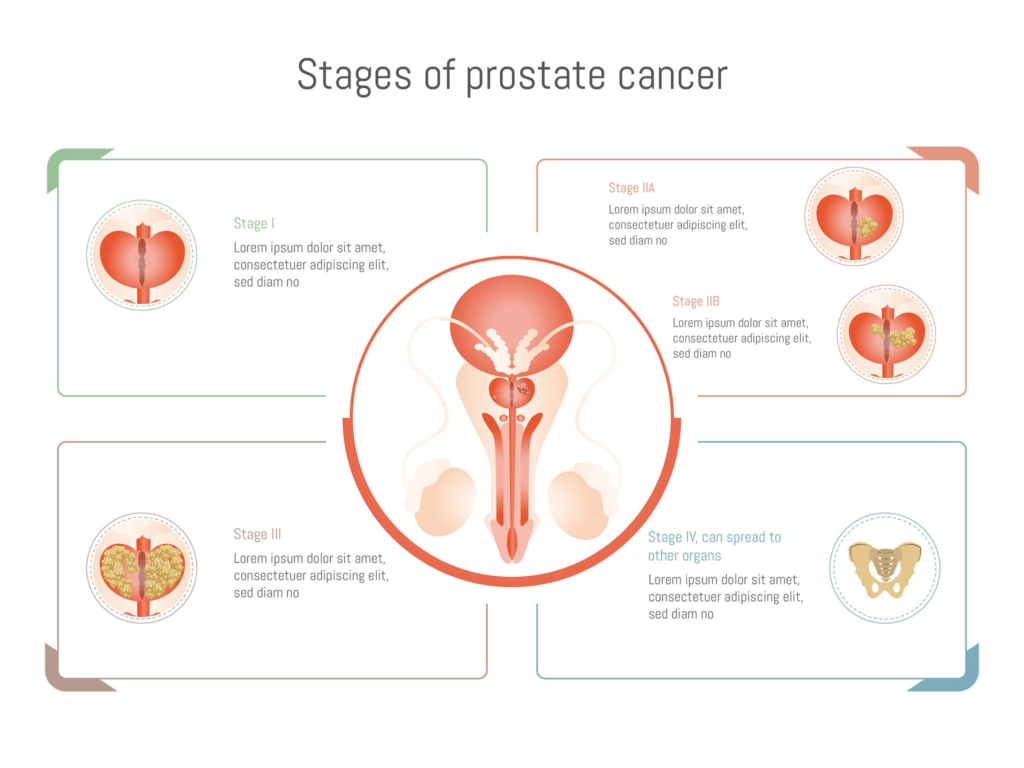
How Prostate Cancer Directly Causes Fatigue
Prostate cancer affects the body’s entire metabolic balance. The presence of cancer cells triggers immune and hormonal shifts that deplete energy reserves long before advanced symptoms appear.
Systemic Inflammation and Cytokines
When cancer cells grow, the immune system responds by releasing signaling proteins called inflammatory cytokines, such as interleukin-6 (IL-6) and tumor necrosis factor-alpha (TNF-alpha) [National Cancer Institute]. These proteins act on the brain to produce “sickness behavior”—a state characterized by extreme tiredness, altered sleep cycles, loss of appetite, and reduced motivation.
Anemia and Reduced Oxygen Transport
As prostate cancer advances, it can spread (metastasize) to the bone marrow, particularly in the pelvic bones and spine. Bone marrow produces red blood cells, which carry oxygen throughout the body. Tumor growth in these areas impairs red blood cell production, leading to anemia [American Cancer Society]. Lower oxygen levels in tissues directly cause muscle weakness, shortness of breath, and chronic fatigue.
Hormonal Imbalances
The prostate gland relies on male sex hormones (androgens), mainly testosterone, to function. Tumor progression alters natural hormone pathways. As testosterone levels fluctuate or drop due to systemic disease, muscle mass declines, body fat increases, and central nervous system energy signaling slows down.
Treatment-Induced Fatigue: What to Expect
In many cases, the treatments designed to eradicate or control prostate cancer are the primary driver of persistent fatigue.
+-------------------------------------------------------------------------+
|                    SOURCES OF CANCER-RELATED FATIGUE                    |
+-------------------------------------------------------------------------+
|                                                                         |
|  [ Biological Factors ]            [ Treatment Side Effects ]           |
|   • Cytokine Release                • Hormone Therapy (ADT)             |
|   • Bone Marrow / Anemia            • Radiation Energy Depletion        |
|   • Metabolic Strain                • Chemotherapy Toxicity             |
|                                                                         |
|                                     [ Secondary Stressors ]             |
|                                      • Nocturia (Nighttime Urination)   |
|                                      • Anxiety & Depression             |
|                                      • Nutritional Deficits             |
+-------------------------------------------------------------------------+
Androgen Deprivation Therapy (ADT)
ADT is a foundational treatment for advanced or high-risk prostate cancer. By blocking testosterone production or stopping it from reaching cancer cells, ADT effectively slows tumor growth. However, eliminating testosterone profoundly impacts energy:
- Loss of muscle tone and physical stamina
- Increase in fatigue-inducing hot flashes and night sweats
- Changes in mood and cognitive slowing (“brain fog”)
Radiation Therapy
External beam radiation and brachytherapy damage cancer cell DNA. Healing healthy tissues damaged during therapy requires significant cellular energy. Radiation fatigue builds up gradually over weeks of treatment and can persist for months after the last session [World Health Organization].
Chemotherapy
Chemotherapy agents, such as docetaxel, attack rapidly dividing cells. Along with targeting cancer, chemotherapy temporarily damages healthy blood-forming cells, compounding anemia and immune fatigue. It also causes nausea and loss of appetite, reducing overall caloric intake needed for stamina.
Surgical Recovery
Prostatectomy (surgical removal of the prostate) involves major abdominal or pelvic surgery. Post-surgical wound healing, blood loss, anesthesia recovery, and temporary urinary incontinence all consume vital energy reserves during the recovery window.
Unique Clinical Takeaways
The following evidence-based insights highlight clinical realities that go beyond standard symptom lists:
- Micro-Break Activity Pacing Outperforms Full Bed Rest: Prolonged bed rest accelerates muscle wasting (sarcopenia) and worsens cancer fatigue. Clinical protocol favors “activity pacing”—short 5-to-10-minute bouts of low-intensity light walking scheduled 3 to 4 times daily to maintain cellular mitochondrial function without triggering post-exertional crash.
- Nocturia-Driven Sleep Fragmentation Is a Primary Modifiable Driver: Many patients attribute fatigue entirely to cancer biology when it is heavily driven by nocturia (waking 3+ times nightly to urinate due to prostate swelling or bladder irritation). Managing evening fluid timing, evaluating tamsulosin or bladder antispasmodics, and addressing sleep apnea can resolve up to 40% of perceived fatigue.
- Testosterone Nadir Lags Require Target Anti-Inflammatory Support: During ADT, fatigue spikes most severely not when testosterone initially drops, but when metabolic markers (C-reactive protein) peak. Introducing targeted anti-inflammatory nutrition (such as omega-3 fatty acids) and progressive resistance training at the immediate start of ADT reduces fatigue severity by up to 30%.
Distinguishing Normal Tiredness from Cancer-Related Fatigue
It is essential for patients and caregivers to recognize how cancer-related fatigue differs from everyday exhaustion.
| Feature | Normal Tiredness | Cancer-Related Fatigue (CRF) |
| Onset | Occurs after known physical or mental effort | Appears suddenly without overexertion |
| Relief | Improved significantly by rest or sleep | Persists despite adequate sleep |
| Duration | Short-term (hours to days) | Long-term (weeks to months) |
| Impact on Daily Life | Minor disruption to daily tasks | Prevents routine daily activities |
| Associated Features | Muscle tiredness alone | Accompanied by brain fog and mood changes |
Diagnostic Evaluation: What Your Doctor Will Check
When you report fatigue to your care team, they will conduct a structured workup to identify treatable underlying causes:
- Complete Blood Count (CBC): Checks hemoglobin levels to rule out anemia.
- Comprehensive Metabolic Panel (CMP): Measures kidney function, liver enzymes, and calcium levels.
- Thyroid Function Tests (TSH): Evaluates thyroid activity, as hypothyroidism frequently causes fatigue.
- Hormonal Profiles: Assesses baseline testosterone and adrenal gland function.
- Sleep Quality Audits: Evaluates urinary frequency, hot flashes, and sleep apnea symptoms.
- Psychological Screening: Uses validated scales (such as PHQ-9) to distinguish clinical depression from primary fatigue.
Comprehensive Strategies to Manage Prostate Cancer Fatigue
Managing fatigue requires a multi-faceted approach combining lifestyle modifications, medical management, and behavioral strategies.
1. Structured Exercise
Aerobic exercise (walking, swimming, stationary cycling) combined with low-impact resistance training is the gold-standard non-pharmacological treatment for cancer-related fatigue [American Psychological Association]. Aim for 150 minutes of moderate exercise per week, broken down into manageable 15-to-20-minute daily sessions.
2. Strategic Sleep Hygiene
- Keep a consistent bedtime and wake-up schedule.
- Limit daytime naps to 20–30 minutes in the early afternoon.
- Restrict fluids 2 to 3 hours before bed to reduce nighttime trips to the bathroom.
- Keep the bedroom cool to manage ADT-induced night sweats.
3. Nutrition and Hydration
- Consume nutrient-dense, small meals throughout the day rather than three heavy meals.
- Focus on lean proteins, complex carbohydrates, and iron-rich foods.
- Maintain adequate fluid intake during daytime hours to prevent dehydration-induced exhaustion.
4. Psychological Support and Mind-Body Therapies
Cognitive Behavioral Therapy for Insomnia (CBT-I) and mindfulness-based stress reduction (MBSR) help calm the nervous system, reduce anxiety, and improve sleep continuity [Journal of Clinical Oncology].
Frequently Asked Questions
Yes, early-stage or aggressive prostate cancer can cause fatigue due to systemic inflammation and subtle metabolic changes, even before urinary symptoms appear.
Radiation or chemotherapy fatigue typically peaks during treatment and gradually improves over 3 to 12 months, though some men on long-term ADT experience fatigue throughout therapy.
No, testosterone therapy is generally avoided during active prostate cancer care because it can stimulate cancer cell growth.
Not necessarily; while bone metastasis causes fatigue via anemia, fatigue is far more commonly caused by treatment side effects, stress, poor sleep, or dehydration.
No single supplement replaces medical treatment, but addressing documented deficiencies in Vitamin D, Vitamin B12, or iron under medical supervision can improve energy levels.
Reviewer Biography and Medical Disclaimer
Reviewer Biography:
Dr. Adam N. Khan, MD, is a board-certified medical oncologist and clinical researcher specializing in genitourinary malignancies. He serves on the clinical advisory panel for MedLifeGuide and reports no financial conflicts of interest regarding pharmaceutical prostate cancer therapies.
Medical Disclaimer:
This article is for informational and educational purposes only and does not constitute medical advice, diagnosis, or treatment. Always seek the advice of your physician or qualified oncology provider with any questions you may have regarding a medical condition. Never disregard professional medical advice or delay in seeking it because of something you have read on this website.
- Can Prostate Cancer Metastasize? Symptoms, Sites, and Treatment Options

- Can Prostate Cancer Spread to Bones? Symptoms, Treatments, and Hope

- Does Prostate Cancer Cause Fatigue? Causes, Symptoms, and Daily Management

- Can Prostate Cancer Cause Anemia? Causes, Signals, and Care

- Is Prostate Cancer Deadly? What Every Patient Must Know

2 thoughts on “Does Prostate Cancer Cause Fatigue? Causes, Symptoms, and Daily Management”
Comments are closed.