How COVID-19 Damages Heart Mitochondria: New Insights Into Long COVID

How COVID-19 Damages Heart Mitochondria New Insights Into Long COVID

Emerging research from the Shanghai Tenth People’s Hospital has uncovered a startling link between the SARS-CoV-2 virus and persistent cardiac issues. For millions suffering from “Long COVID,” the mystery of why heart scans appear “normal” despite debilitating symptoms may finally have an answer: Cellular energy failure. The Study: Peering Into the Heart’s Powerhouse Researchers conducted … Read more

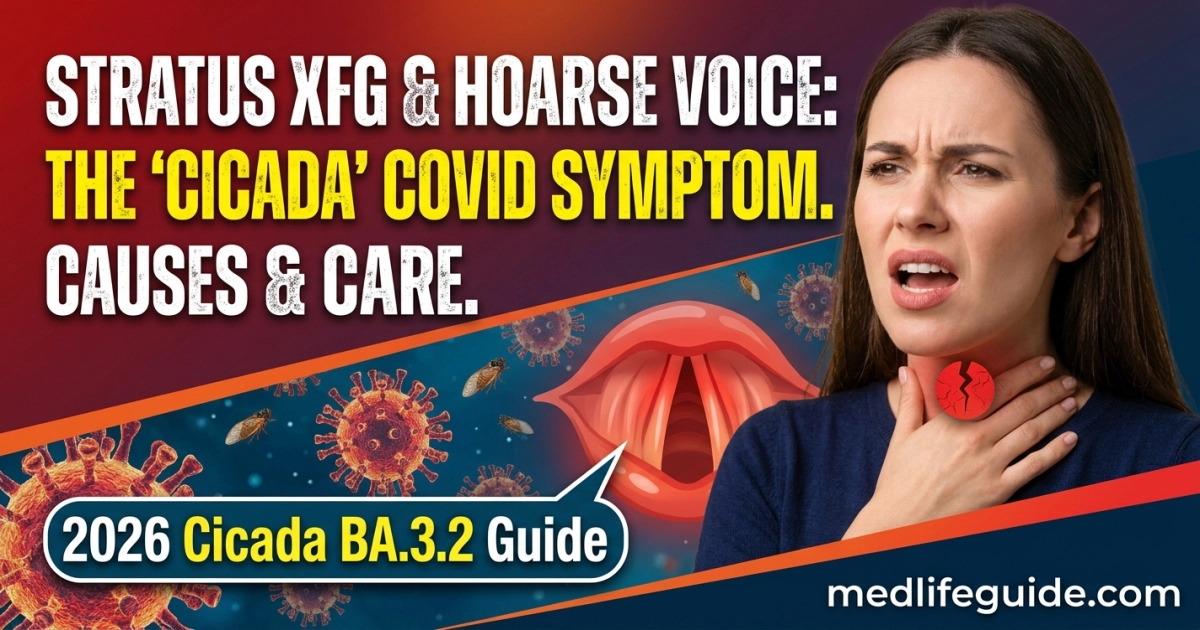
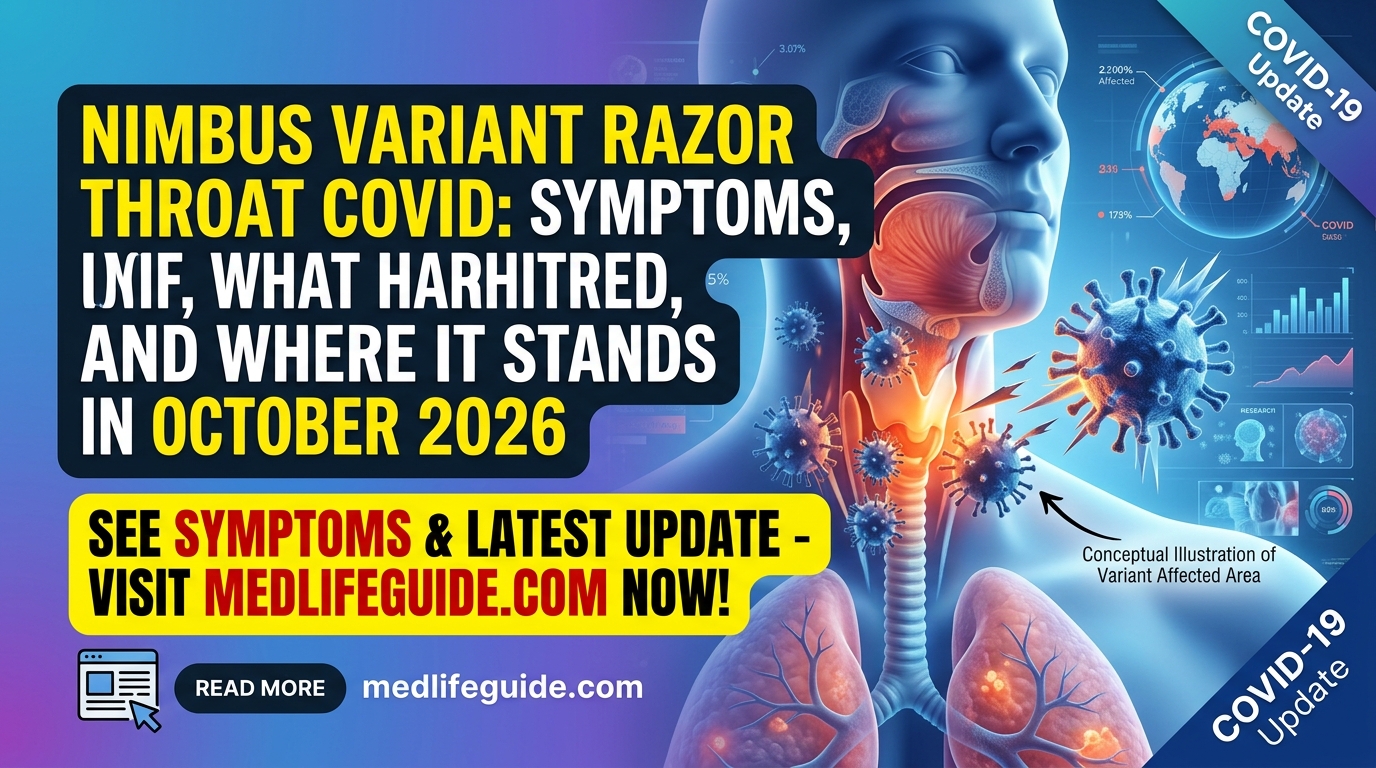
COVID Variant BA 3.2: What Doctors Want You to Know

COVID Variant BA 3.2

Quick Summary COVID variant BA 3.2 is not widely documented in major global health databases as of current verified data. Insufficient data exists to confirm it as a distinct, clinically recognized variant. Most discussions likely refer to sublineages of the Omicron family. Clinical guidance should follow established evidence from Omicron variants unless new peer-reviewed data … Read more

mRNA COVID-19 Vaccines in Children: Myocarditis Risk, Study Findings, and Public Debate

mRNA COVID-19 Vaccines in Children Myocarditis Risk, Study Findings, and Public Debate

Quick Summary Background A large observational dataset from England analyzed safety and effectiveness of mRNA COVID-19 vaccination in children and adolescents. The analysis used health records from hundreds of thousands to millions of individuals, including matched vaccinated and unvaccinated cohorts. The topic gained attention after public commentary on social media referencing study findings, particularly claims … Read more

New Study Reveals Potential Blood Biomarker for Long COVID: SARS-CoV-2 Fragments in Extracellular Vesicles

A groundbreaking July 2025 study published in the journal Infection has provided compelling new evidence supporting the biological basis of long COVID. Researchers detected SARS-CoV-2 protein fragments inside extracellular vesicles (EVs) — tiny, naturally occurring packages in the blood — from patients experiencing persistent symptoms long after their initial COVID-19 infection. This discovery, achieved through … Read more

Study Finds Cause of Persistent Taste Loss After COVID-19

Persistent Taste Loss After COVID Cause Identified Study

Persistent taste loss after infection with COVID-19 has remained unexplained for many patients. A recent study analyzing taste-cell genetics identified a biological abnormality in specific taste receptor cells responsible for sweet, bitter, and umami perception. Researchers used the WETT (Whole-Mouth Taste Test) to compare patient reports with objective measurements. The results showed a clear match … Read more

Why ME/CFS and Long COVID Worsen With Effort

Why MECFS and Long COVID Symptoms Worsen With Effort

People living with Myalgic Encephalomyelitis/Chronic Fatigue Syndrome (ME/CFS) and Long COVID often experience severe symptom flare-ups after even small amounts of physical or mental effort. This pattern is called Post‑Exertional Malaise (PEM). Recent clinical observations suggest the problem may start before activity even begins. Multiple body systems may already be impaired: When the body attempts … Read more

New COVID Strain Symptoms You Should Not Ignore

New COVID Strain Symptoms

Medically Reviewed and Compiled by Dr. [Adam N. Khan], MD. New COVID strain symptoms can look similar to earlier versions of COVID-19, but some patterns have shifted over time. Most recent strains continue to spread through respiratory droplets and close contact. Symptoms range from mild cold-like signs to severe breathing problems. What Is a New … Read more

Can COVID Cause Diarrhea? What Patients Should Know

Can COVID Cause Diarrhea

Medically Reviewed and Compiled by Dr. Adam N. Khan, MD. Introduction Severe acute respiratory syndrome coronavirus 2 (SARS‑CoV‑2), the virus that causes COVID‑19, is primarily known for its respiratory manifestations. However, gastrointestinal (GI) involvement, including diarrhea, has been well‑documented in clinical studies and systematic reviews. This article examines the evidence, mechanisms, clinical presentation, differential considerations, … Read more