

Medically Reviewed and Compiled by Dr. Adam N. Khan, MD
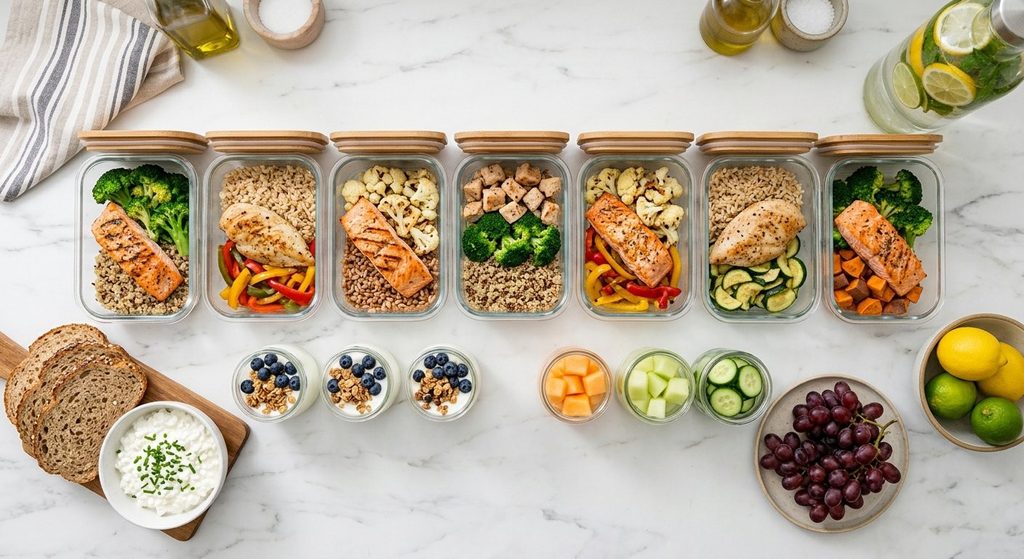
You searched for a 7 day kidney stone diet chart because you want something you can actually cook this week, not a lecture. Maybe you just passed a stone. Maybe the CT report is sitting in your portal. Maybe your doctor said the words recurrence prevention and you went straight to Google.
Here is the direct answer: a useful kidney stone diet chart is not a random list of healthy foods. It is a week built on six daily targets, matched to your stone type, with calcium placed next to higher-oxalate meals instead of banned forever. Most ranking pages for this keyword miss at least half of that. This one does not.
A seven day chart helps because it turns guideline language into breakfast, lunch, dinner, and snacks you can shop for once. The American Urological Association updated its medical management guideline for kidney stones in 2026, and dietary modification remains part of the clinical framework for prevention. The National Institute of Diabetes and Digestive and Kidney Diseases also names dietary change as one of the most effective ways to help prevent stones from coming back. The plan below maps that guidance onto a normal US kitchen.
What this chart is, and what it cannot do
This chart is a general framework for most adults who form calcium oxalate stones, the type that accounts for roughly eight in ten stones. It is designed to lower risk over time. It is not a treatment that dissolves an existing calcium oxalate stone on contact, and it is not a substitute for imaging, stone analysis, or a 24-hour urine test.
Two honest limits come first:
- Diet works best as a package. Fluids, sodium, calcium timing, protein portions, and citrate move the needle together. Cherry-picking one lemonade habit while ignoring salt rarely changes your urine chemistry much.
- If you have chronic kidney disease, you are on dialysis, you are pregnant, or you are planning this for a child, fluid and sodium targets may need to change. Our related guides on chronic kidney disease stages and kidney-friendly meal planning cover those cases. Talk to your clinician before you copy this plan as written.
The six daily targets at a glance
| Target | Daily goal | Why it matters |
| Fluids | About 2.5 to 3 liters total fluid for most adults, enough to make roughly 2.5 L of urine | Dilute urine is the single strongest practical defense; the AUA recommends fluid intake that achieves at least 2.5 L of urine daily |
| Sodium | 2,300 mg or less (about 1 teaspoon of salt equivalent) | High sodium pushes more calcium into urine and weakens other diet efforts |
| Dietary calcium | 1,000 to 1,200 mg from food | Calcium in food binds oxalate in the gut so less oxalate reaches the kidneys |
| Animal protein | About 6 to 8 oz total per day across meals | Heavy meat loads raise uric acid and lower citrate |
| Citrate | Include lemon, lime, or orange most days | Citrate inhibits calcium crystal formation; low urine citrate is common and fixable |
| Produce | At least 5 servings of fruits and vegetables | Fruits and vegetables raise citrate, magnesium, and other protective factors |
Six targets that turn a generic healthy-eating list into a real kidney stone diet chart.
Who should use this chart as written, and who needs changes first
- Good fit: adults with calcium oxalate stones or unknown stone type who want a prevention week.
- Use the stone-type section if you know you form uric acid, struvite, or cystine stones.
- Modify first if you have CKD, heart failure with fluid restrictions, or a clinician-set fluid or potassium limit.
- If you are in active severe flank pain, fever with stone history, vomiting that will not stop, or no urine output, do not start with a diet plan. Seek urgent care. Kidney stone pain can become an emergency when infection or obstruction is involved.
The five rules that shape every meal in the chart
Fluids first
In a five-year randomized trial published in the Journal of Urology, patients told to drink enough water to produce at least 2 liters of urine a day had about half the stone recurrence of the usual-care group over five years. Average urine volume in the water group reached roughly 2.6 L, compared with about 1.0 L in controls. A Cochrane review still rates that single trial as low-certainty evidence, which is a reminder that one old study is not magic. It is also why a large 2026 Lancet trial, the PUSH trial, matters: a smart-bottle and coaching program raised urine volume but did not reduce symptomatic stone recurrence over two years. Fluids remain cheap, low-risk, and guideline-based. They work best when they are consistent, not heroic for three days.
Practical target for most adults: spread 2.5 to 3 liters of fluid across the day, with water as the base and citrus water as a regular rotate. Pale yellow urine is a simple check. Dark amber usually means you are behind. If your clinician has set a different fluid goal, follow that goal.
Sodium is the quiet driver
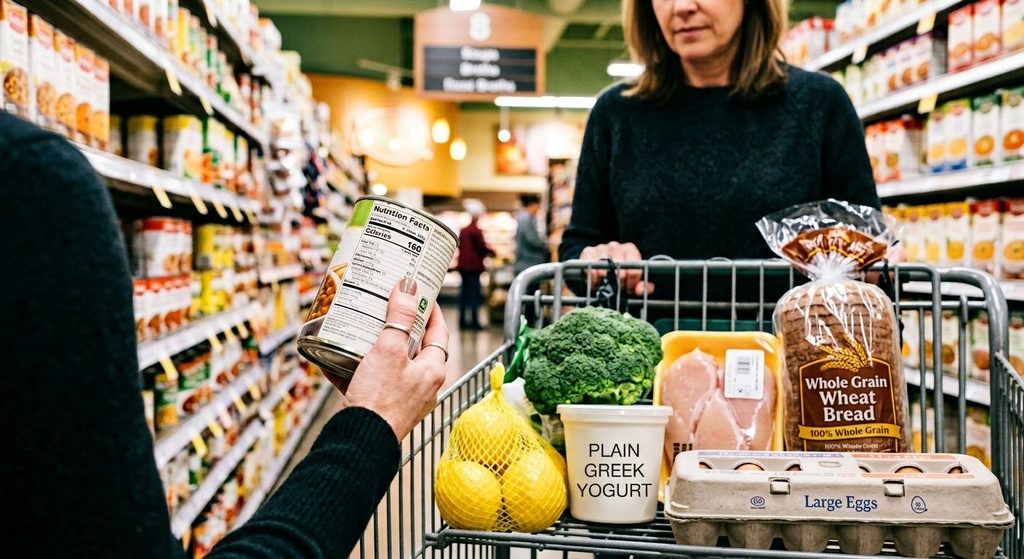
The AUA recommends limiting sodium to about 2,300 mg per day for stone formers with higher urine calcium, and many clinicians coach patients toward the same number as a default. Sodium raises urinary calcium. That extra calcium has more chances to meet oxalate or phosphate. The National Kidney Foundation notes that roughly 80 percent of the sodium Americans eat is already in food before anyone shakes a salt shaker. Bread, deli meat, soup, sauces, cheese, and restaurant meals are the usual culprits, not the salt cellar.
Calcium from food, timed with oxalate
This is the part most competing charts get wrong. They tell you to fear calcium or to ban spinach forever and stop there. The evidence is different. Dietary calcium reduces stone risk by binding oxalate in the intestines. Calcium supplements taken away from meals can behave in the opposite direction. Aim for 1,000 to 1,200 mg of calcium from foods such as milk, yogurt, cheese, fortified plant milks, tofu made with calcium sulfate, and canned fish with bones. Distribute it across meals, and place a calcium food on the same plate as any higher-oxalate item you choose to eat.
Moderate animal protein
A practical limit used in dietary therapy reviews is about 6 to 8 ounces of total animal protein per day, roughly a palm-sized portion at each meal rather than a steakhouse slab. Large amounts of red meat, organ meats, and heavy seafood loads can raise uric acid, lower citrate, and acidify urine. Plant proteins such as lentils, beans, chickpeas, and tofu help fill the gap. If you form uric acid stones, tighten purine-heavy foods further using the stone-type table below.
Citrate from citrus
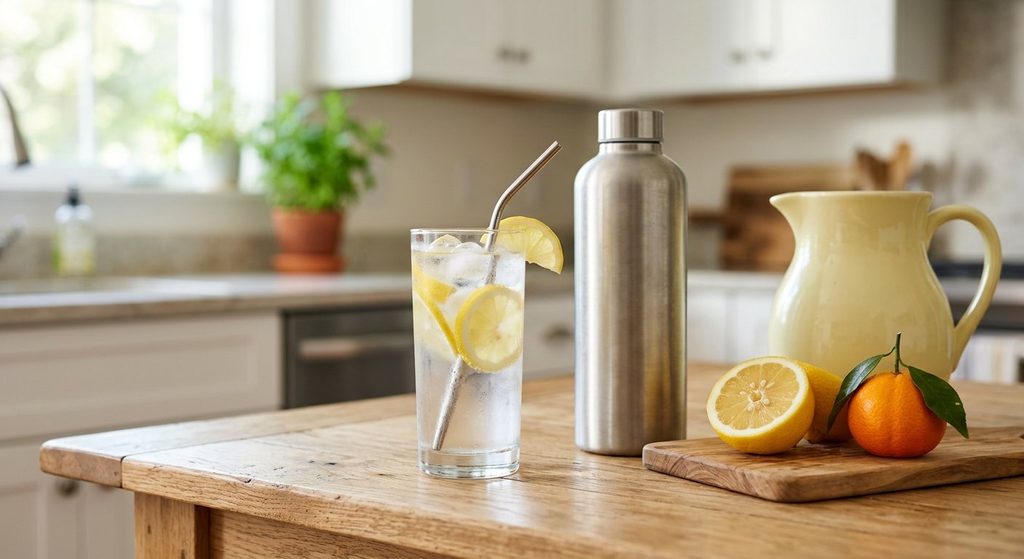
Citrate binds calcium in urine and interferes with crystal growth. Hypocitraturia, or low urine citrate, is one of the most common metabolic findings in calcium stone patients, affecting a large share of them in clinical reviews. Lemons and limes are among the most concentrated everyday citrate sources. Clinical work on lemonade therapy has used about 4 ounces of pure lemon juice diluted in water each day and shown increases in urinary citrate, sometimes without raising urinary oxalate. That is roughly the juice of four to five medium lemons, split across the day, not a sugar-bomb from a convenience store.
The 7 day kidney stone diet chart (full meal plan)
Every day below uses the same skeleton: low to moderate oxalate choices, calcium at meals, sodium kept low, animal protein portioned, citrus in the fluid routine, and at least five servings of produce. Portion shorthand: protein portions are about 3 to 4 oz cooked for most women and about 4 oz cooked for most men unless your clinician says otherwise; adjust to your size and activity.
| Day and focus | Breakfast | Lunch | Dinner | Snacks and fluids |
| Day 1 Hydration and calcium base | Greek yogurt with blueberries and a glass of milk | Grilled chicken sandwich on whole-grain bread with lettuce, tomato, and a side of cucumber | Baked salmon, steamed broccoli, and brown rice | Apple slices with a cheese stick; lemon water with lunch and dinner |
| Day 2 Lower-oxalate comfort foods | Scrambled eggs with bell peppers and milk | Turkey and cheese roll-up with grapes and unsalted crackers | Lean beef patty (4 oz) with mashed potato, green beans, and salad | Low-fat yogurt; orange wedges; water between meals |
| Day 3 Plant protein swap | Oatmeal with banana and milk | Lentil soup with a whole-grain roll and side salad | Baked cod with cauliflower and pasta with olive oil and herbs | Popcorn lightly salted; lemon water; cottage cheese |
| Day 4 Citrus focus | Whole-grain toast with peanut butter (1 tablespoon) and milk | Chicken and vegetable soup (low sodium) with fruit | Turkey meatballs with pasta, marinara, and roasted zucchini | Melon cubes; lime water; a small handful of unsalted sunflower seeds |
| Day 5 Family-friendly plate | Pancakes made with milk and egg, topped with strawberries | Tuna salad on greens with a whole-grain roll and apple | Baked chicken thighs (skin removed) with sweet potato and coleslaw (light dressing) | Low-fat yogurt; orange slices; steady water |
| Day 6 Seafood and prep day | Greek yogurt parfait with granola (low oxalate) and raspberries | Leftover chicken bowl with rice, cucumber, and peppers | Shrimp stir-fry with cabbage, carrots, and brown rice | Cheese and whole-grain crackers; lemon water; grapes |
| Day 7 Flexible reset | Veggie omelet with milk and fruit salad | Minestrone-style bean soup with salad and bread | Roast chicken, roasted potatoes, and broccoli with lemon | Popcorn; herbal tea; final citrus water of the day |
7 day kidney stone diet chart. Swap proteins and vegetables freely if you know your stone type and tolerances.
Adjust the chart to your stone type
| Stone type | Relative frequency | Chart adjustments |
| Calcium oxalate | Most common (about 80 percent) | Keep the default plan. Tighten spinach, rhubarb, beets, chard, large nut portions, wheat bran, and chocolate if your urine oxalate is high. Do not drop dietary calcium. |
| Uric acid | Roughly 10 percent | Cut organ meats, heavy red meat, anchovies, sardines, and excess alcohol. Favor plant proteins, citrus, and alkali from fruits and vegetables. Ask about potassium citrate if recurrent. |
| Struvite | Less common; infection-related | Fluids matter, but the priority is treating the underlying urinary tract infection with your clinician. Oxalate restriction is not the main lever. |
| Cystine | Rare | Needs a much higher fluid prescription, often 3 or more liters a day, strict sodium and protein control, and urine alkalinization. Do not run this chart unsupervised. |
If you do not know your stone type, ask for stone analysis when a stone is removed, and request a 24-hour urine test after a first or recurrent episode. That test measures volume, pH, calcium, oxalate, citrate, uric acid, and sodium, and it is how personalization actually happens.
One-week grocery list
| Category | Buy this | Limit or skip this week |
| Produce | Lemons, limes, oranges, melon, grapes, apples, bananas, berries in normal portions, broccoli, cauliflower, cabbage, cucumbers, bell peppers, zucchini, carrots, lettuce | Spinach, rhubarb, beets, Swiss chard, okra in large amounts; starfruit completely if you have kidney disease |
| Protein | Chicken breast or thighs, turkey, eggs, salmon, cod, shrimp, canned tuna, tofu, lentils, beans | Organ meats, heavy processed meats, very large steak portions |
| Dairy and calcium | Milk, Greek yogurt, cottage cheese, cheese slices, fortified unsweetened plant milk | Calcium pills taken on an empty stomach unless prescribed with meals |
| Grains | Whole-grain bread, oats, rice, pasta, tortillas, unsalted crackers, light popcorn | Bran cereals in large bowls; very high-oxalate granola in huge servings |
| Pantry | Olive oil, herbs, garlic, onion powder, no-salt seasoning blends, low-sodium broth, marinara | Regular canned soup, soy sauce, seasoning packets, deli meat overload |
| Drinks | Water, sparkling water, coffee or tea in moderation, lemon or lime for infusing | Sweetened sodas, energy drinks, excess black tea, alcohol binges |
Hydration schedule and urine color check
A chart without a drinking schedule dies on day two. Use this rhythm and adjust for heat, exercise, and your clinician’s advice:
- On waking: one large glass of water, optionally with lemon.
- With each meal: one glass of fluid, and keep a glass nearby during work blocks.
- Mid-afternoon reset: finish a full bottle before you leave work.
- Evening taper: finish your last full glass about two hours before bed so sleep is not interrupted all night. A few sips later are fine.
- Check: urine should look pale straw to light yellow most of the day. Consistently dark urine means front-load more fluid earlier.
If you exercise hard, sweat a lot, or live in a hot climate, you may need more total fluid than the baseline range. People with heart failure, on dialysis, or under a fluid restriction must follow their prescribed limit instead.
The calcium timing rule most charts skip
If you take nothing else from this page, take this rule: whenever you eat a higher-oxalate food, put a calcium food on the same plate.
- Spinach salad becomes safer with feta or shaved parmesan and a glass of milk on the side.
- Almonds become a smarter snack with yogurt.
- Bean chili becomes smarter with a cheese sprinkle or a glass of milk.
- If you only eat oxalate foods with no calcium, more free oxalate can be absorbed and later excreted in urine.
Conversely, do not chase this with random calcium carbonate tablets between meals. Food first. Supplements only if your clinician recommends them, usually with food.
Where sodium hides in an American kitchen
- Bread and rolls: two slices can carry several hundred milligrams.
- Deli meat and rotisserie chicken: often injected with saline solutions.
- Canned beans and vegetables: choose no-salt-added versions and rinse.
- Cheese: flavor with herbs instead of adding extra slices and salt.
- Restaurant and takeout: one entree can approach or exceed the entire daily sodium limit; ask for sauces on the side and skip the free bread basket habit.
- Condiments: ketchup, soy sauce, salad dressing, and seasoning blends add up faster than table salt.
Simple rule for the week: cook two meals a day at home, and when you eat out, choose grilled over fried, broth-based over cream-based, and unsalted chips over salted.
Foods to enjoy, foods to limit, and the healthy eater trap
| Enjoy more often | Limit on purpose | Context matters |
| Water and citrus water; milk and yogurt; eggs in normal amounts; chicken, fish, and tofu in portions; broccoli, cauliflower, cabbage, cucumbers, peppers; potatoes with skin rinsed; rice and oats in reasonable servings; fruits such as melon, grapes, apples, citrus | Added salt; processed meats; organ meats; heavy red meat; large handfuls of almonds, cashews, peanuts, and peanut butter; big bowls of spinach, chard, beets, rhubarb; wheat bran; chocolate and cocoa powder in large amounts; sweetened sodas and energy drinks; excess alcohol | A food can be healthy and still be high in oxalate. Smoothies with spinach, almond milk, chia, and nut butter are a classic healthy eater trap. Portion size and calcium pairing matter more than panic. |
Starfruit deserves its own warning line. The National Kidney Foundation advises people with kidney disease to avoid starfruit because it contains a toxin that healthy kidneys clear but weakened kidneys may not. It is also high in oxalate. If you have reduced kidney function, do not experiment with starfruit or starfruit juice.
What to eat while you are passing a stone
During an active episode, appetite often collapses. That is normal. The goals shift from long-term prevention to comfort, hydration, and not making urine chemistry worse:
- Sip fluids steadily. Water and citrus water still lead.
- Choose simple low-oxalate meals: toast with eggs, rice with chicken, yogurt with fruit, soup with vegetables you tolerate.
- Skip heavy salt loads, huge meat portions, alcohol, and excess caffeine.
- If nausea is severe, small cold foods and ice chips may be easier than hot plates.
Roughly two thirds of ureteral stones pass on their own within about four weeks, according to AUA educational material, but pain severity does not tell you size or location. If you have fever, shrinking urine output, or uncontrollable pain, get emergency evaluation instead of waiting on a meal plan. Our guides on stages of passing a kidney stone and when a kidney stone is serious walk through the warning signs.
Meal prep, eating out, and busy-week swaps
- Sunday prep: cook a batch of rice, roast two trays of vegetables, grill or bake two proteins, wash fruit, and portion yogurt cups.
- Lunch formula: protein plus grain plus two vegetables plus a calcium side.
- Dinner formula: plate method, half produce, one quarter protein, one quarter starch, plus a citrus water glass.
- Restaurant formula: grilled protein, vegetable side, sauce on the side, water with lemon, skip the salty appetizer.
- Travel and work: pack unsalted crackers, fruit, a cheese stick, and a refillable bottle. Gas-station default becomes fruit plus water, not chips plus soda.
Related meal ideas live in our renal diet recipes for breakfast, lunch, and dinner collections.
What real patients report (anecdotes, not evidence)
Guidelines set the standard. Real life shows how people try to follow them. The excerpts below are short quotes from public community threads. They are personal stories, not clinical proof, and they sometimes include ideas that are incomplete or wrong. Use them for motivation and questions to ask your clinician, not as prescriptions.
- A poster in the r/KidneyStones community describing long-term pattern change wrote: “Low sugar, low salt, low animal protein, low oxalate, regular exercise and 3l of water a day.” The same person noted fewer stones while also admitting it is hard to quantify one change alone. Source: Reddit r/KidneyStones thread “Has anyone beaten kidney stones for good?”
- Another commenter described a simple citrate habit: “1/4 cup of lemon juice in a glass of water, morning and bedtime” plus cheese or yogurt with meals to bind oxalate. Source: same Reddit thread.
- A long-term calcium oxalate former described stacking habits for a decade: lemon water instead of tea, low sodium, animal protein limited to about a fist-sized portion a day, avoiding high-oxalate foods, and magnesium citrate. They still reported occasional stones, which is an honest reminder that risk goes down, not always to zero. Source: same Reddit thread.
- One user reported cutting a long habit of about eight sodas a day, switching to water and moderate lemonade, and then going more than a year without stone pain. Source: Reddit r/KidneyStones thread on lifestyle changes.
- On Quora, a person asked about pure lemon juice in the morning; one answer recalled a urologist recommending a slice of lemon in water daily and reported no new stones over four years. Another answer warned that extreme lemon-water routines can irritate the urinary tract and teeth. Both stories point the same direction as the clinical guidance: citrus helps some people, consistency matters, and more is not automatically better. Source: Quora answers on lemon juice and kidney stones.
If you want the research side of citrus, read our piece on how effective is lemon juice for kidney stones.
Myths this chart will not repeat
| Myth | What the evidence supports |
| Cut all calcium to stop calcium stones | Restricting dietary calcium can increase stone risk. Keep 1,000 to 1,200 mg from food and place it with oxalate foods. |
| Lemon water dissolves kidney stones | Citrate can raise urinary citrate and help prevent crystals. It is not a guaranteed dissolver for calcium oxalate stones. Uric acid stones can sometimes be dissolved medically with alkalinization under care. |
| You must ban every high-oxalate food forever | Only people with high urine oxalate or recurrent calcium oxalate stones usually need tighter oxalate restriction, and even then portion size and calcium pairing beat total fear. |
| Eggs and dairy are forbidden | Eggs are not a universal enemy. Dairy is often protective because of calcium. Portions and overall pattern matter. |
| A green smoothie is always kidney friendly | Spinach, almond milk, chia, and nut butter can stack a very large oxalate load in one glass. |
| Beer or apple cider vinegar melts stones | Community stories vary, and some claims lack solid human evidence. Alcohol can dehydrate you. Ask your urologist before self-treating. |
We maintain a longer myth list in top 10 myths about kidney stones debunked.
When diet is not enough: testing, medicines, and red flags
Diet is foundational, not always sufficient. After a first stone or any recurrence, ask whether you need:
- Stone composition analysis if a stone is removed or passed.
- One or two 24-hour urine collections on your usual diet, which the AUA recommends for metabolic evaluation.
- Medication discussion when urine results or recurrence history warrant it. Options your clinician may discuss include thiazide diuretics for high urine calcium, potassium citrate for low citrate or uric acid stones, and allopurinol for selected recurrent calcium oxalate cases with high uric acid. Cystine stones often need a higher fluid target and alkalinization.
- Imaging follow-up if you have a known residual stone.
Seek urgent care now, not next week, if you have fever or chills with a stone history, severe pain that will not settle, vomiting and dehydration, visibly bloody urine with clots, or a sudden drop in urine output. If you have CKD or diabetes, coordinate any big fluid or protein change with your kidney care team because the safest chart is the one that fits your whole medical picture.
Useful next reads: best treatment for kidney stones, home treatment for kidney stones, and live with kidney stones.
Your 7-day action checklist
- Print or save the chart and stick it on the fridge.
- Buy the grocery list in one trip; prep rice, protein, and vegetables once.
- Set phone reminders for three fluid checkpoints each day.
- Move lemon, lime, or orange to eye level so citrus water happens without willpower.
- Cook at least two dinners at home; use the restaurant formula when you eat out.
- Pair every higher-oxalate choice with a calcium food.
- Keep sodium at or below 2,300 mg by reading labels on bread, soup, and sauces.
- At day seven, note your urine color pattern, energy, and which meals you would repeat.
- If you have had more than one stone, schedule the 24-hour urine test conversation with your clinician.
- Review red flags with your household so nobody waits through an emergency.
Frequently asked questions
It is a structured week of meals and fluids that applies proven stone prevention targets: about 2.5 to 3 liters of fluid, sodium at or below 2,300 mg, 1,000 to 1,200 mg of dietary calcium from food, moderate animal protein around 6 to 8 oz per day, regular citrus for citrate, and plenty of fruits and vegetables. The chart turns those targets into breakfast, lunch, dinner, and snacks.
Most adults should aim for enough fluid to make about 2.5 liters of urine a day, which often means drinking roughly 2.5 to 3 liters of fluid. The AUA recommends fluid intake that achieves at least 2.5 L of urine daily. Pale straw urine is a useful everyday check. Follow any different target your clinician gives you, especially if you have heart or kidney fluid restrictions.
Lemon juice provides citrate, which can raise urinary citrate and help inhibit calcium crystal formation. Clinical citrate studies have used about 4 ounces of lemon juice diluted in water daily. Lemon water is a reasonable support habit for many calcium oxalate formers, especially those with low urine citrate, but it is not a guaranteed stone dissolver and it does not replace fluids, sodium control, and medical follow-up.
No. Dietary calcium from food is protective because it binds oxalate in the gut. Low-calcium diets have been associated with higher recurrence in trials. Aim for 1,000 to 1,200 mg from food and place calcium next to higher-oxalate meals. Calcium supplements taken without food are a different story and should only be used if your clinician recommends them.
Yes, in sensible portions. Chicken, eggs, rice, and bread can all fit a kidney stone diet. The problems are usually oversized meat portions, heavy salt, bran-heavy products in excess, and no calcium beside higher-oxalate foods. The daily chart shows how to build balanced plates with these staples.
One, cut sodium by dropping processed meats, canned soup, and salty restaurant defaults. Two, front-load water and add citrus. Three, stop stacking large servings of spinach, nuts, chocolate, and bran without a calcium food. Those three moves address the most common gaps in a typical American diet for stone formers.
Yes, evidence suggests benefit. In large prospective cohorts, people with the highest DASH-style diet scores had about 40 to 45 percent lower kidney stone risk than those with the lowest scores. The pattern emphasizes fruits, vegetables, low-fat dairy, whole grains, and lean protein while limiting sodium and red meat. This chart borrows that pattern and adjusts it for oxalate awareness.
Call a professional if you have recurrent stones, known metabolic abnormalities on 24-hour urine testing, fever with a stone, intractable pain, vomiting, or falling urine output. Medications such as thiazides or potassium citrate are sometimes needed, and some stones require procedures. Diet reduces risk; it does not replace emergency care or indicated treatment.
Sources
Authoritative sources used for this article. Full links are listed for editorial verification. No claim in the body of the article depends on a source that was not checked against these materials.
- American Urological Association. AUA Releases New Medical Management of Kidney Stones: AUA Guideline (2026). July 30, 2026. https://www.auanet.org/about-us/media-center/aua-press-center/american-urological-association-releases-guideline-on-medical-management-of-kidney-stones
- American Urological Association. Medical Management of Kidney Stones Guideline (2026). https://www.auanet.org/2026MedStoneGuideline
- Pearle MS, Goldfarb DS, Assimos DG, et al. Medical management of kidney stones: AUA guideline. Journal of Urology. 2014;192(2):316-324. (Dietary recommendations summarized in AUA educational materials.)
- National Institute of Diabetes and Digestive and Kidney Diseases. Eating, Diet, & Nutrition for Kidney Stones. https://www.niddk.nih.gov/health-information/urologic-diseases/kidney-stones/eating-diet-nutrition
- National Institute of Diabetes and Digestive and Kidney Diseases. Treatment for Kidney Stones. https://www.niddk.nih.gov/health-information/urologic-diseases/kidney-stones/treatment
- National Kidney Foundation. Calcium Kidney Stones. https://www.kidney.org/kidney-topics/calcium-kidney-stones
- National Kidney Foundation. Why You Should Avoid Eating Starfruit. https://www.kidney.org/atoz/content/why-you-should-avoid-eating-starfruit
- Harvard Health Publishing. 5 steps for preventing kidney stones. 2013, updated reference page. https://www.harvardhealth.org/blog/5-steps-for-preventing-kidney-stones-201310046721
- Borghi L, Meschi T, Amato F, Briganti A, Novarini A, Giannini A. Urinary volume, water and recurrences in idiopathic calcium nephrolithiasis: a 5-year randomized prospective study. Journal of Urology. 1996;155(3):839-843.
- Cochrane. Water for preventing urinary stones. 2020. https://pmc.ncbi.nlm.nih.gov/articles/PMC7012319/
- Desai AC, Maalouf NM, Harper JD, et al. Prevention of urinary stones with hydration: a randomised clinical trial of an adherence intervention (PUSH). The Lancet. 2026;407(10534):1171-1181.
- Taylor EN, Fung TT, Curhan GC. DASH-style diet associates with reduced risk for kidney stones. Journal of the American Society of Nephrology. 2009;20(10):2253-2259. https://pmc.ncbi.nlm.nih.gov/articles/PMC2754098/
- Taylor EN, Curhan GC. DASH-style diet and 24-hour urine composition. Clinical Journal of the American Society of Nephrology. 2010;5(12):2315-2322. https://pmc.ncbi.nlm.nih.gov/articles/PMC2994094/
- Penniston KL, Steele TH, Nakada SY. Lemonade therapy increases urinary citrate and urine volumes in patients with recurrent calcium oxalate stone formation. Urology. 2007;70(5):856-860.
- Assimos DG, et al. Medical therapy for nephrolithiasis: State of the art. (Dietary recommendation tables including fluid, calcium, oxalate, protein, sodium, and citrate targets.) https://pmc.ncbi.nlm.nih.gov/articles/PMC6197179/
- Kidney Stone Prevention. Advances in Nutrition. 2023. https://advances.nutrition.org/article/S2161-8313(23)00271-5/fulltext
- Diet and Stone Disease in 2022. Medicina. 2022. https://www.mdpi.com/2077-0383/11/16/4740
- Urology Times. How urologists can help patients prevent stones. 2021. https://www.urologytimes.com/view/how-urologists-can-help-patients-prevent-stones
- American Urological Association. Medical Student Curriculum: Kidney Stones. https://www.auanet.org/meetings-and-education/for-medical-students/medical-students-curriculum/kidney-stones
- MedlinePlus Medical Encyclopedia. Kidney stones self-care. https://medlineplus.gov/ency/patientinstructions/000135.htm
- Urology Health Store. Fight Kidney Stones with Food Cookbook. https://www.urologyhealth.org/documents/Product-Store/English/Kidney-Stones-Cookbook.pdf
- Ferraro PM, Taylor EN, Gambaro G, Curhan GC. Dietary and Lifestyle Risk Factors Associated With Incident Kidney Stones in Men and Women. Journal of Urology. 2017. https://pmc.ncbi.nlm.nih.gov/articles/PMC5599330/
- Reddit r/KidneyStones. Has anyone beaten kidney stones for good? https://www.reddit.com/r/KidneyStones/comments/1b4o2zp/has_anyone_beaten_kidney_stones_for_good/
- Reddit r/KidneyStones. What lifestyle changes do you recommend to prevent future stones? https://www.reddit.com/r/KidneyStones/comments/5ukmo7/what_lifestyle_changes_do_you_recommend_to/
- Quora. Answers on lemon juice and kidney stones. https://www.quora.com/Can-I-drink-pure-lemon-juice-without-water-in-the-morning-because-of-kidney-stone and https://www.quora.com/Does-PLJ-Pure-Lemon-Juice-help-with-your-kidney
Medical Disclaimer
MedLifeGuide provides general health information for educational purposes only. This article is not medical advice, diagnosis, or treatment, and it does not create a doctor-patient relationship. Kidney stone disease varies by stone type, size, location, urine chemistry, kidney function, medications, pregnancy status, and other medical conditions. What is safe for one reader may be unsafe for another.
Do not delay or ignore professional medical care because of information you read here. If you have severe or worsening flank or abdominal pain, fever or chills, nausea or vomiting that prevents fluid intake, blood in urine with clots, confusion, or a sudden decrease in urine output, seek urgent or emergency care promptly. People with chronic kidney disease, heart failure, or fluid restrictions must follow their clinician’s specific fluid, sodium, protein, and potassium instructions rather than the general targets in this article.
Always discuss diet changes, supplements, lemon water routines, over-the-counter products, and prescription medicines such as thiazides, potassium citrate, or allopurinol with a licensed healthcare professional who knows your history. Evidence changes over time. This page reflects sources available as of November 2026 and should be reviewed and updated by MedLifeGuide’s medical reviewer on a regular schedule.