
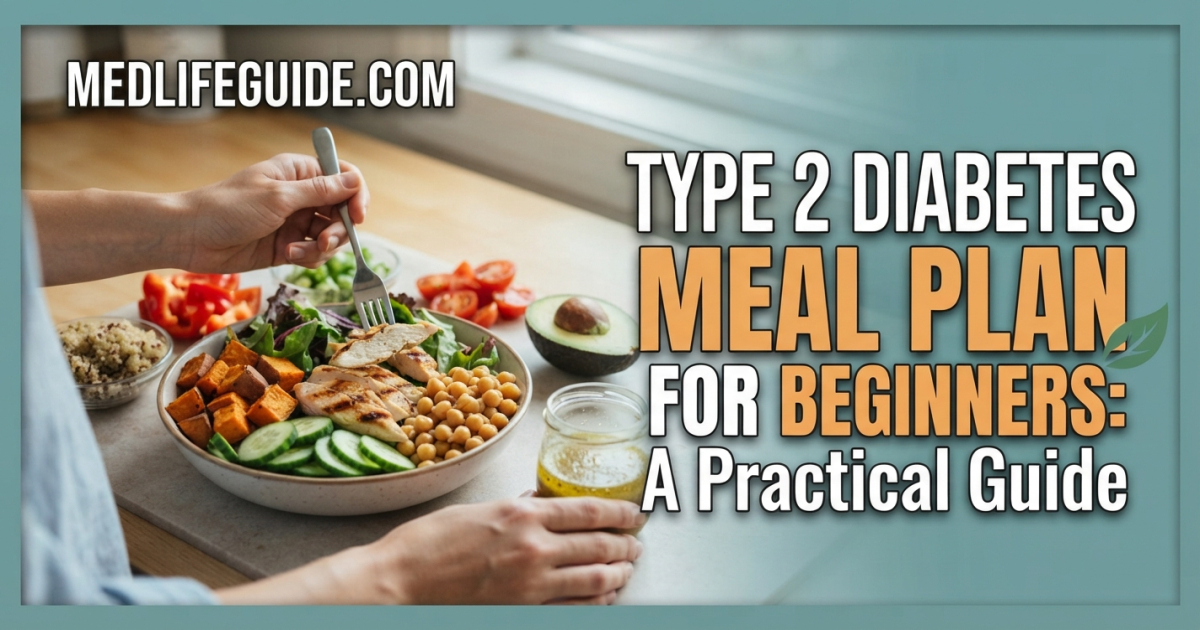
- There is no single mandatory “diabetes diet.” According to the American Diabetes Association (ADA) 2026 Standards of Care, several eating patterns—including Mediterranean-style, DASH, plant-based, and lower-carbohydrate plans—can improve blood sugar when tailored to your culture, budget, and preferences.
- Start with the 9-inch Plate Method before counting grams. Filling half your plate with nonstarchy vegetables, one-quarter with lean protein, and one-quarter with high-fiber carbohydrates manages portions without weighing food.
- Your medications determine how strict your meal timing must be. People taking insulin or sulfonylureas need consistent carbohydrate amounts at regular times to prevent dangerous low blood sugar, whereas those on metformin or GLP-1 medications have more schedule flexibility.
How to Choose Your Starting Meal-Planning Method
When you are newly diagnosed with type 2 diabetes, trying to track every gram of carbohydrate, calorie, and sodium on day one often leads to burnout. Clinical guidelines from the NIDDK and ADA recommend matching your planning tool to your current treatment regimen and daily routine.
| Meal-Planning Approach | How It Works | Best For | Key Limitations |
| Diabetes Plate Method | Visually divide a 9-inch plate: 1/2 nonstarchy vegetables, 1/4 lean protein, 1/4 quality carbohydrates, plus water or a zero-calorie drink. | Beginners not taking mealtime insulin; visual learners; family meals and restaurant dining. | Less precise for mixed dishes (casseroles, soups) or matching rapid-acting insulin doses. |
| Consistent Carbohydrate Counting | Track total grams of carbohydrates per meal (often aiming for a steady target set with a dietitian) by reading Nutrition Facts labels (CDC). | People taking mealtime insulin or sulfonylureas who need predictable carb intake to avoid lows (NIDDK). | Requires measuring cups, food scales, or label-reading apps; can feel tedious long-term. |
| Structured Eating Patterns (Mediterranean / DASH) | Emphasize vegetables, legumes, whole grains, nuts, fish, and olive oil while limiting refined grains, added sugars, and sodium (ADA). | Managing type 2 diabetes alongside high blood pressure or elevated cholesterol. | Does not automatically control portion sizes; calorie-dense healthy fats (nuts, oils) still require moderation (MedlinePlus). |
Building a Balanced Plate Without Giving Up Familiar Foods
Carbohydrates raise blood glucose faster and higher than protein or fat, yet your brain and muscles still rely on them for energy (MedlinePlus). Rather than eliminating all carbohydrates, focus on carbohydrate quality and food pairing.
1. Fill Half Your Plate With Nonstarchy Vegetables
Nonstarchy vegetables provide vitamins, minerals, and fiber with minimal impact on blood sugar. Fresh, frozen, and low-sodium canned vegetables are all clinically acceptable options (ADA).
- Examples: Spinach, broccoli, cauliflower, bell peppers, green beans, zucchini, tomatoes, cabbage, and okra.
2. Fill One-Quarter With Lean or Plant-Based Protein
Protein slows stomach emptying and blunts rapid post-meal glucose spikes when eaten alongside carbohydrates (CDC; Cleveland Clinic).
- Examples: Skinless chicken or turkey, fish (aiming for two servings per week), eggs, tofu, tempeh, low-fat cottage cheese, plain Greek yogurt, and lean cuts of beef or pork (MedlinePlus).
- Note on plant proteins: Beans, lentils, and peas provide both protein and complex carbohydrates; count them toward your carbohydrate quarter or split them between the protein and carb sections (MedlinePlus).
3. Fill One-Quarter With High-Fiber Carbohydrates
Fiber is a type of carbohydrate your body does not fully digest, which slows glucose absorption into the bloodstream (MedlinePlus). Look for packaged grain foods with at least 3 grams of fiber per serving (ADA).
- Examples: Brown rice, quinoa, steel-cut or rolled oats, 100% whole-wheat bread or tortillas, starchy vegetables (sweet potatoes, corn, green peas), whole fruit (rather than juice), and plain low-fat milk or yogurt (CDC; ADA).
- Cultural adaptations: The ADA 2026 Standards of Care emphasize keeping culturally meaningful staple foods—such as white rice, corn tortillas, roti, or plantains—by pairing smaller portions (one-quarter of the plate) with generous nonstarchy vegetables and lean protein rather than banning them.
4. Choose Unsaturated Fats and Zero-Calorie Drinks
- Fats: Cook with liquid vegetable oils (olive, canola, avocado) instead of fats high in saturated fat (butter, lard, bacon grease, coconut oil), aiming to keep saturated fat below 10% of daily calories to protect heart health (MedlinePlus; ADA).
- Beverages: Make plain water your default drink, or choose unsweetened tea, black coffee, or sparkling water infused with lemon or berries (ADA).
How Your Diabetes Medications Change Your Meal Plan
Meal planning does not happen in isolation—it interacts directly with the type of medication you take.
- Insulin or Sulfonylureas (e.g., glipizide, glimepiride, glyburide): These medications actively lower blood sugar even if you have not eaten enough carbohydrates. Skipping meals, delaying dinner, or cutting carbs suddenly without a prescriber’s dose adjustment can trigger hypoglycemia (NIDDK; CDC).
- GLP-1 Receptor Agonists and Dual GIP/GLP-1 Agonists: Because these medications slow stomach emptying and reduce appetite, eating large or high-fat meals can worsen nausea and reflux. The ADA 2026 Standards of Care advise monitoring for adequate protein and nutrient intake during therapy so rapid appetite loss does not lead to undernutrition or excessive loss of lean muscle mass.
- Metformin or SGLT2 Inhibitors: When taken alone, these medications carry a very low risk of causing low blood sugar (BMJ Open / Clinical Guidance). Taking metformin with a meal helps reduce common gastrointestinal side effects like stomach upset.
Established Evidence vs. Common Nutrition Myths
Patients are frequently targeted with conflicting diet advice online. Clinical guidelines separate well-established nutrition science from weak or unproven claims:
- Established Clinical Evidence:
- Modest weight loss: Losing 5% to 7% of starting body weight (for example, 10 to 14 pounds for a 200-pound adult) improves insulin sensitivity and blood glucose control in individuals with overweight or obesity (ADA / Becky Dorner Summary).
- Reducing ultra-processed foods and sodium: Limiting packaged snack foods and keeping sodium below 2,300 mg per day supports healthy blood pressure alongside blood sugar management (ADA).
- Pairing movement with meals: Regular aerobic and resistance exercise helps muscles absorb glucose; aiming for 30 minutes most days (or breaking activity into 10-minute post-meal walks) lowers blood glucose and cardiovascular risk (NIDDK).
- Limitations and Unproven Claims:
- Herbs, spices, and supplements: The ADA 2026 Standards of Care and NIDDK state there is no clear clinical proof that supplements such as cinnamon, chromium, magnesium, or aloe vera reliably lower blood glucose, and some supplements interact with prescription drugs.
- Glycemic Index (GI) limitations: While low-GI foods generally raise blood sugar more slowly than high-GI foods, GI numbers vary widely depending on fruit ripeness, cooking method, and what else is on your plate (CDC). Total carbohydrate portion size remains the primary driver of post-meal blood sugar.
- “Sugar-free” packaged foods: Sugar-free cookies, candies, and baked goods often still contain substantial total carbohydrates from refined flours, saturated fats, and sugar alcohols that can raise blood sugar or cause digestive upset.
Accessing Covered Nutrition Support in the U.S.
You do not have to build a meal plan alone. In the United States, two formal, evidence-based services are widely covered by insurance:
- Medical Nutrition Therapy (MNT): One-on-one or group counseling with a Registered Dietitian Nutritionist (RDN) who tailors a meal plan to your lab results, medications, and budget (NIDDK). Under Medicare Part B, eligible beneficiaries with diabetes receive 3 hours of MNT in their first calendar year and 2 hours each subsequent year with $0 out-of-pocket cost when referred by a physician (Medicare.gov).
- Diabetes Self-Management Education and Support (DSMES): Accredited programs that teach meal planning, glucose monitoring, medication timing, and sick-day rules (ADA). Medicare Part B and most private U.S. insurers cover DSMES as a separate, complementary benefit alongside MNT (Noridian Medicare).
Blood Sugar Red Flags and Emergency Guidance
Changing how you eat—especially if you also take insulin or blood-sugar-lowering pills—requires knowing how to recognize and treat dangerous blood sugar swings.
Low Blood Sugar (Hypoglycemia: Below 70 mg/dL)
Low blood sugar can happen if you eat fewer carbohydrates than usual, skip a meal, exercise intensely, or take too much insulin or sulfonylurea medication (CDC).
- Warning signs: Shakiness, sweating, chills, fast heartbeat, dizziness, irritability, extreme hunger, blurred vision, or confusion (ADA).
- Immediate action (The 15-15 Rule):
- Consume 15 grams of fast-acting carbohydrates (such as 3–4 glucose tablets, 4 oz [1/2 cup] of fruit juice or regular non-diet soda, or 1 tablespoon of sugar or honey). Avoid chocolate or high-fat foods, which slow sugar absorption (CDC).
- Wait 15 minutes and recheck your blood sugar.
- If it is still below 70 mg/dL, repeat another 15 grams of fast-acting carbs. Once your level is at or above 70 mg/dL, eat a small balanced snack with protein and complex carbs (such as crackers and cheese) if your next meal is more than an hour away (ADA).
- When to call 911: If blood sugar drops below 55 mg/dL, or if the person is confused, unable to swallow safely, having a seizure, or unconscious, do not give food or liquids by mouth. Administer prescription glucagon if available and call 911 immediately (CDC).
Severe High Blood Sugar Emergencies (DKA and HHS)
Dangerously high blood sugar can lead to Diabetic Ketoacidosis (DKA) or Hyperosmolar Hyperglycemic State (HHS)—a life-threatening dehydration crisis seen most often in type 2 diabetes during infections, illness, or missed medications (Cleveland Clinic).
- Call 911 or go to the nearest emergency room immediately if you or someone you care for has:
- Blood sugar persistently above 300 mg/dL with moderate or high ketones, or any blood sugar reading above 600 mg/dL (CDC; Cleveland Clinic)
- Nausea, vomiting, or inability to keep fluids down (Mayo Clinic)
- Extreme thirst, dry mouth, and frequent urination paired with drowsiness, confusion, hallucinations, or weakness on one side of the body (Cleveland Clinic)
- Rapid, deep breathing, abdominal pain, or fruity-smelling breath (CDC)
Questions to Ask Your Doctor or Dietitian
Bring these questions to your next primary care or endocrinology visit to tailor your meal plan safely:
- “Do any of my current diabetes medications put me at risk for low blood sugar if I reduce my carbohydrate portions or skip a snack?”
- “Should I start with the 9-inch Plate Method, or do I need a specific daily or per-meal carbohydrate gram target?”
- “What are my personal pre-meal and 2-hour post-meal blood sugar targets so I know how my body responds to specific foods?”
- “Can you write a referral for Medical Nutrition Therapy (MNT) with a Registered Dietitian Nutritionist and a Diabetes Self-Management Education (DSMES) program?”
Frequently Asked Questions
1. Do I have to cut out all sugar and carbohydrates forever?
No. Both the ADA and MedlinePlus emphasize that no single food is strictly off-limits. Most beginners succeed by replacing sugary drinks and refined white grains with high-fiber whole grains, beans, and whole fruits, while keeping sweets to occasional small portions paired with a balanced meal.
2. Is fruit safe to eat if I have type 2 diabetes?
Yes. Whole fruit contains vitamins, minerals, and dietary fiber that slows sugar absorption compared to fruit juice (CDC). Count one small piece of whole fruit (about the size of a tennis ball) or 1 cup of berries as part of the one-quarter carbohydrate section of your plate (ADA).
3. Should I eat three meals a day or six smaller meals?
Meal frequency depends on your medications and hunger cues. If you take insulin or sulfonylureas, eating regular meals with consistent carbohydrate amounts helps prevent low blood sugar (CDC). If you are not on medications that cause hypoglycemia, eating three balanced meals without mandatory snacks often helps manage total calorie intake and blood sugar stability.
4. How can I check if a new meal works for my blood sugar?
With your doctor’s guidance, you can test your blood sugar right before eating and again 2 hours after the first bite of a meal. Sharing those paired readings with your healthcare provider or Registered Dietitian helps identify which carbohydrate portions keep your glucose within your individualized target range (Becky Dorner / ADA 2026 Summary).
5. What should I eat when I am sick and have no appetite?
Illness and infection release stress hormones that can raise blood sugar even when you are eating less (Mayo Clinic). Never stop taking insulin or diabetes medications during an illness without calling your prescriber first. Stay hydrated with water or sugar-free electrolyte drinks, and if you cannot tolerate solid food while taking insulin or sulfonylureas, ask your care team for a personalized “sick-day” liquid carbohydrate plan (ADA).
Medical Disclaimer
This article is for educational and informational purposes only and does not constitute medical advice, diagnosis, or treatment. Nutritional needs, blood glucose targets, and medication adjustments vary significantly from person to person. Always consult a qualified physician, endocrinologist, or Registered Dietitian Nutritionist (RDN) before making changes to your diet, physical activity, or diabetes medication regimen. If you are experiencing a medical emergency, call 911 or seek immediate emergency medical care.