
Medically Reviewed and Compiled by Dr. Adam N. Khan, MD.
Key Takeways
- Diabetes was first documented around 1500 BCE in ancient Egyptian scrolls that described a disease causing excessive urination and body wasting.
- The Greek physician Aretaeus named the condition “diabetes” in the second century CE, comparing the body’s water loss to a siphon.
- The life-saving breakthrough came in 1921 with the discovery of insulin, transforming a fatal illness into a manageable long-term health condition.
EMERGENCY WARNING: If you or someone near you experiences sudden confusion, fruity-smelling breath, rapid deep breathing, extreme weakness, or loss of consciousness, seek immediate emergency medical care (call 911 in the USA). These are signs of life-threatening diabetic ketoacidosis (DKA) or severe hypoglycemia.
The First Written Records: Ancient Egypt (1500 BCE)
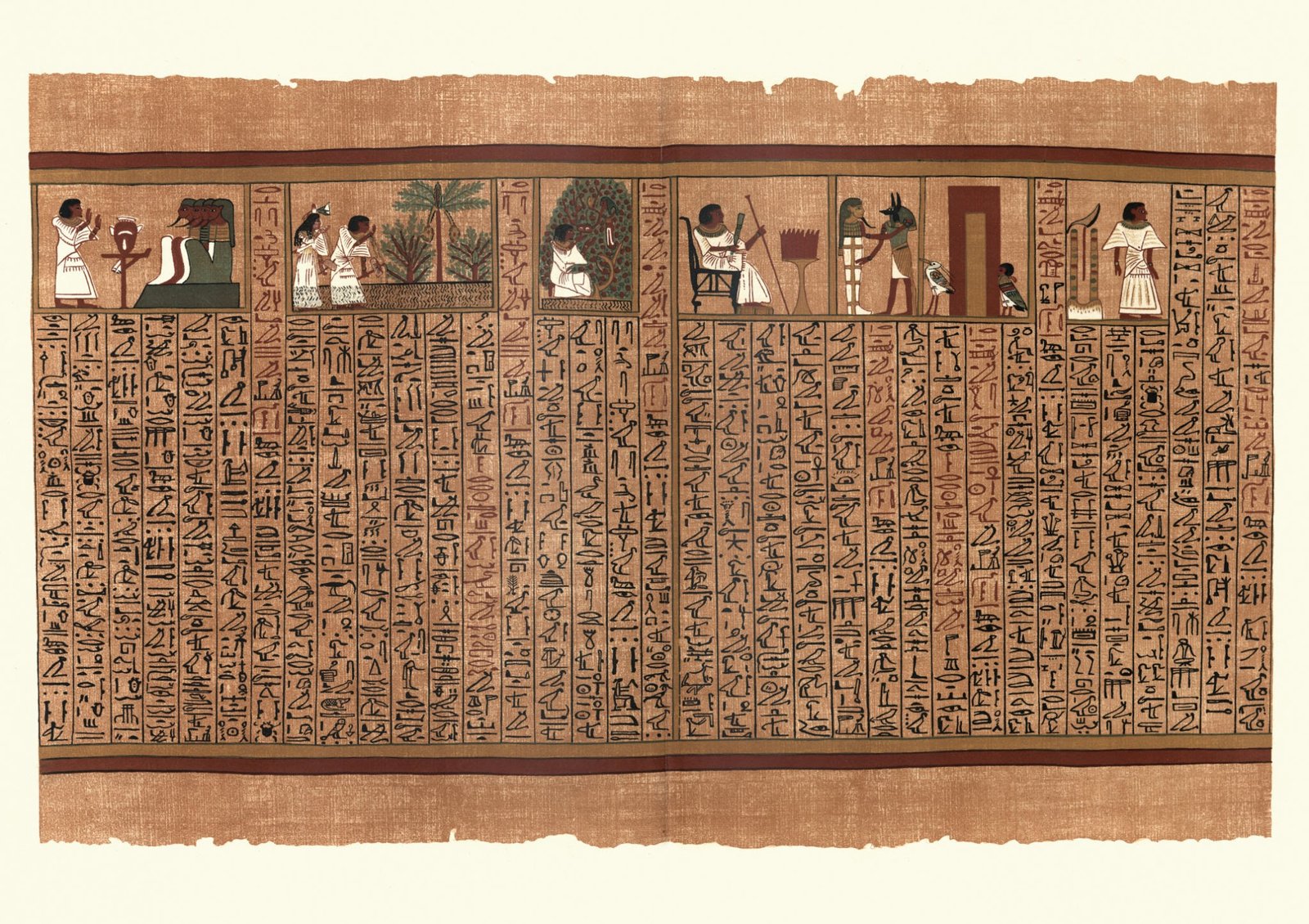
When asking when did diabetes first appear, historians look back more than 3,500 years. The earliest known record comes from ancient Egypt in a famous medical text called the Ebers Papyrus, written around 1500 BCE according to historical medical literature compiled by the National Institutes of Health (NIH).
Ancient Egyptian physicians noticed that certain patients suffered from a rare illness that caused them to pass huge amounts of urine very frequently. The Ebers Papyrus described this illness as a condition causing “too great excretion of urine.” During this time, healers did not fully understand what was happening inside the human body. They recommended treatments made from mixtures of elderberry, fiber, and wheat grain to help retain water, though these remedies could not reverse the underlying illness.
Ancient Records timeline:
1500 BCE (Ebers Papyrus)  -->  500 BCE (Ayurvedic Texts)  -->  2nd Century CE (Aretaeus of Cappadocia)
Egyptian physicians          Indian doctors describe      Greek physician coins term
describe "excessive urine"    "honey urine" attracting ants  "diabetes" (to pass through)
Ancient India and the Discovery of “Honey Urine”
Around 500 BCE, ancient doctors in India made another major discovery. Physician Sushruta and his team noticed that the urine of people with this mysterious wasting disease was unusually sweet.
They observed that ants and flies were naturally attracted to the urine left behind by these patients. Because of this, they named the condition Madhumeha, which translates from Sanskrit to “honey urine.” Sushruta also noticed two distinct types of people getting the illness:
- Young, thin individuals who became very sick very fast.
- Older, heavier individuals who developed the illness gradually over time.
Today, medical experts recognize that Sushruta was describing what we now call Type 1 and Type 2 diabetes according to research preserved by the World Health Organization (WHO).
Coining the Term “Diabetes” in Ancient Greece
The name “diabetes” was officially coined in the second century CE by Aretaeus of Cappadocia, a Greek physician.
Aretaeus observed that water seemed to flow straight through his patients without staying in their bodies. He used the Greek word diabetes, which literally means “a siphon” or “to pass through.” He wrote that the illness was a melting down of the limbs and flesh into urine.
Centuries later, in 1675, a British doctor named Thomas Willis added the word mellitus to the name. Mellitus comes from the Latin word for honey. He added this because he personally re-tested urine samples from patients and confirmed they tasted sweet like honey. This created the full medical name used today: Diabetes Mellitus.
Another form of the disease exists called Diabetes Insipidus, where urine is clear and tasteless (“insipidus” means tasteless). This form is caused by hormone problems in the brain or kidneys rather than blood sugar issues, according to medical guidance from the Mayo Clinic.
Comparing Diabetes Through History
| Historical Era | Key Medical Discovery | Primary Diagnostic Method | Treatment Options |
|---|---|---|---|
| Ancient Egypt (1500 BCE) | Recognized illness causing excessive urination | Visual observation of fluid loss | Natural plant and grain remedies |
| Ancient India (500 BCE) | Identified urine sweetness (Madhumeha) | Observing if ants gathered at urine | Exercise, herbs, and diet adjustments |
| Ancient Greece (100-200 CE) | Named condition diabetes (“siphon”) | Symptom tracking (extreme thirst) | Herbal teas, wine remedies |
| 17th-18th Century | Added mellitus; proved sugar is in blood | Tasting urine; early chemical tests | Strict, low-carbohydrate starvation diets |
| 20th Century (1921-Present) | Isolated insulin hormone; home meters | Blood sugar finger-sticks & HbA1c | Insulin therapy, modern medications |
The Breakthrough Era: Discovering the Pancreas and Insulin
For thousands of years, having severe diabetes (especially Type 1) was a fatal sentence. Doctors tried starvation diets, strict oat-grain diets, and herbal tonics, but nothing stopped the severe weight loss and weakness.
The real revolution occurred in the late 19th and early 20th centuries:
- 1889 – The Pancreas Connection: Oskar Minkowski and Joseph von Mering discovered that removing the pancreas from a dog caused the animal to develop severe diabetes immediately. This proved the pancreas was the organ responsible for controlling sugar levels.
- 1910 – Insulin Named: Sir Edward Albert Sharpey-Schafer suggested that a single missing substance produced by the pancreas was responsible for diabetes. He called this hypothetical substance “insulin” (from the Latin word insula, meaning island, referring to the Islets of Langerhans inside the pancreas).
- 1921 – The Breakthrough: At the University of Toronto, Frederick Banting and Charles Best successfully extracted insulin from animal pancreases. Working with James Collip and John Macleod, they purified the extract so it could be safely given to humans.
- 1922 – First Human Patient: A 14-year-old boy named Leonard Thompson, who was dying of Type 1 diabetes, became the first person to receive an insulin injection. Within days, his dangerously high blood sugar dropped to normal, saving his life.
This discovery transformed diabetes overnight from a fatal diagnosis into a manageable chronic health condition, earning Banting and Macleod the Nobel Prize in Medicine according to historical records from the National Institutes of Health (NIH).
Modern Advances and Managing Diabetes Today
Since the discovery of insulin, medical science has made incredible leaps forward. Today, managing diabetes focuses on daily precision and long-term organ health.
- Synthetic Human Insulin (1978): Scientists developed bioengineered human insulin using DNA technology, eliminating the need to rely on animal extracts.
- Home Blood Glucose Monitors (1970s-1980s): Patients gained the ability to test their own blood sugar at home in seconds using small drop-of-blood meters.
- Continuous Glucose Monitors (CGMs) & Insulin Pumps: Modern technology allows real-time monitoring through small skin sensors, automatically delivering insulin through wearable smart pumps.
Unique Clinical Takeaways
Here are three key insights from medical practice that go beyond standard symptom lists:
- Symptom Clues Beyond Thirst: Excessive urination (polyuria) and extreme thirst (polydipsia) are well-known symptoms. However, frequent unexplained skin or fungal infections (such as recurrent yeast infections or slow-healing cuts) often act as an early red flag for elevated blood sugar levels.
- The “Dawn Phenomenon” Dynamic: Many patients notice high blood sugar levels early in the morning even if they did not eat late at night. This happens because natural body hormones like cortisol and growth hormone surge before waking, causing the liver to release stored glucose.
- HbA1c Tells a 3-Month Story: A single home finger-stick test only shows your sugar level at that exact second. Clinical care relies heavily on the Hemoglobin A1c test, which acts like a long-term memory drive by measuring the average sugar coating on your red blood cells over the past 80 to 120 days.
Frequently Asked Questions (FAQs)
The earliest known written description of diabetes appears in the Egyptian Ebers Papyrus from around 1500 BCE, describing a condition of excessive fluid loss.
Ancient physicians tested for diabetes by leaving urine samples on the ground to see if ants were attracted to the sugar, or by directly tasting the urine for sweetness.
The Greek physician Aretaeus of Cappadocia coined the word “diabetes” in the second century CE, comparing the body’s rapid fluid loss to a siphon.
Insulin was discovered in 1921 by Frederick Banting and Charles Best in Toronto, Canada, and was first successfully used on a human patient in 1922.
Ancient doctors observed both forms but did not understand the cause; today we know Type 1 is an autoimmune reaction stopping insulin production, while Type 2 involves the body becoming resistant to insulin over time.
Reviewer Bio & Disclosures
Medical Reviewer Bio: Dr. Adam N. Khan, MD, is a board-certified internal medicine specialist with over 15 years of clinical experience in metabolic health, chronic disease care, and patient education.
Affiliations & Conflicts: Dr. Khan serves as a clinical advisor for independent medical publications. He reports no financial conflicts of interest or commercial ties to pharmaceutical manufacturers mentioned in this educational material.