
Quick Answer:
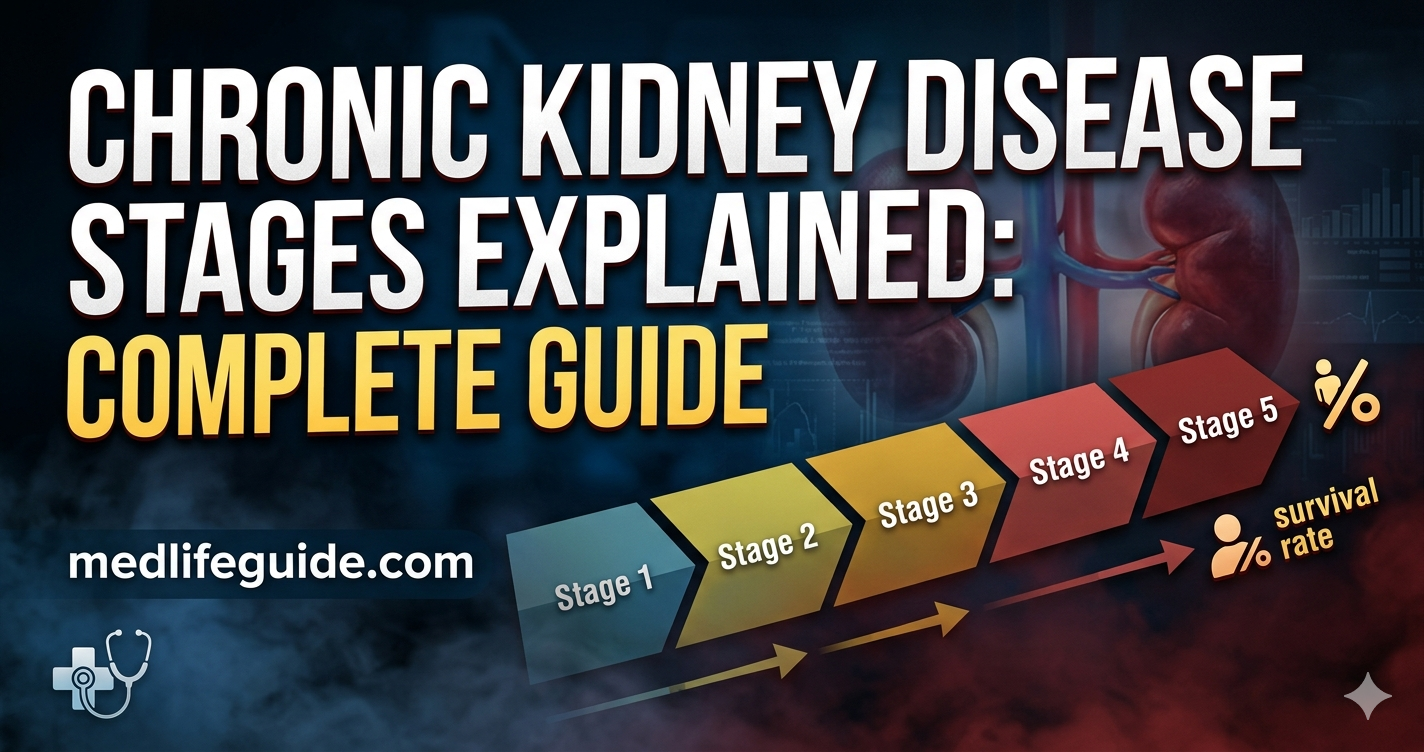
Chronic Kidney Disease (CKD) is divided into five stages based on how well your organs filter waste from your blood. Doctors measure this using your estimated Glomerular Filtration Rate (eGFR), which acts like a percentage score for kidney health. Early stages (1 and 2) usually cause zero symptoms and are manageable through simple lifestyle updates. Moderate stages (3a and 3b) require active medical tracking to slow progression, while late stages (4 and 5) involve significant filtration loss and preparation for advanced care. Finding CKD early gives you the best chance to protect your filters and keep them working for years
Introduction to Kidney Filtration and eGFR
Your kidneys are two bean-shaped organs working around the clock to clean your bloodstream. Think of them as your body’s personal recycling and waste disposal plant. They filter out extra fluid, balance critical minerals, and produce hormones that control your blood pressure.
When you receive a diagnosis of Chronic Kidney Disease (CKD), it means your filters have sustained mild to severe structural changes over a period of three months or longer. To figure out exactly what is happening inside your body, doctors use a mathematical score called the estimated Glomerular Filtration Rate (eGFR).
Your eGFR score relies on a simple blood test that measures creatinine, a natural waste product created by everyday muscle movement. If your kidneys are filtering perfectly, your blood creatinine levels stay low because the waste is removed in your urine. If your filters slow down, creatinine builds up in the bloodstream.
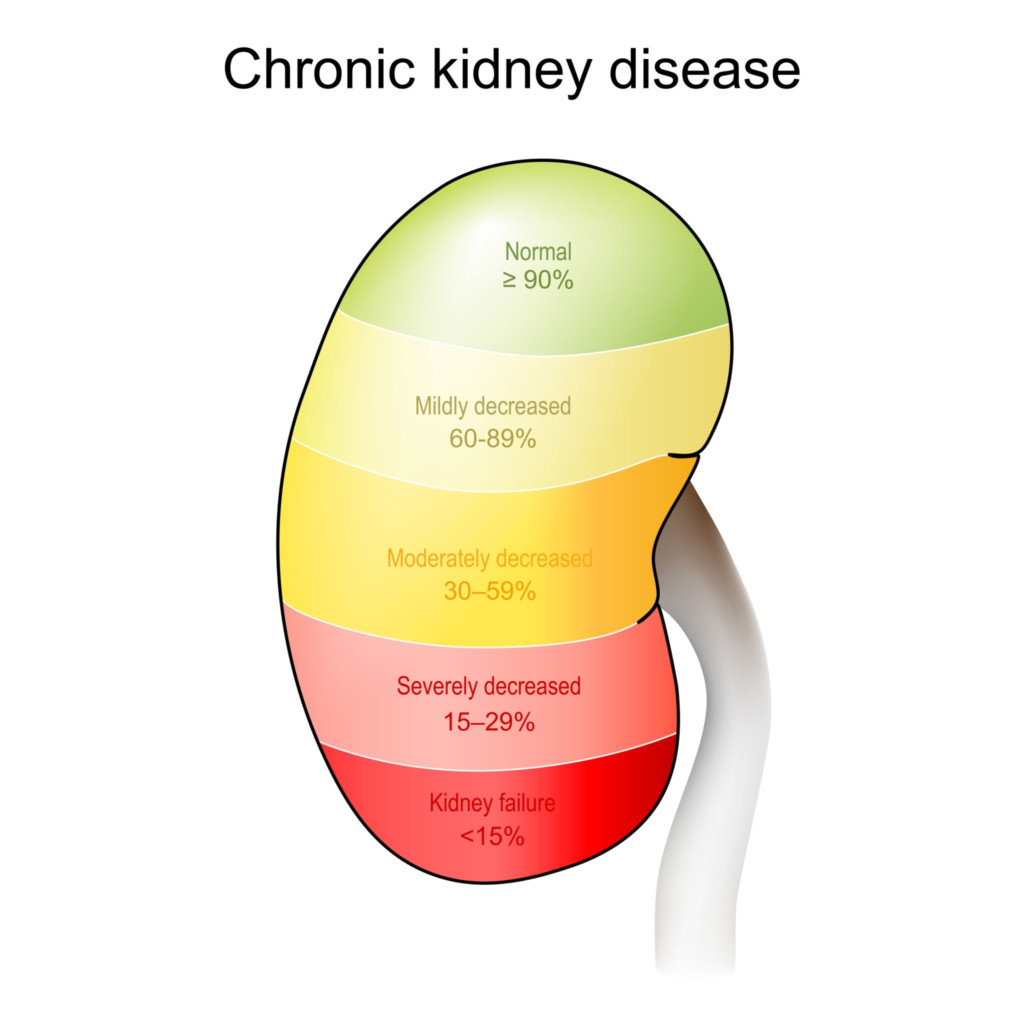
- An eGFR score of 90 or higher means your filtration is working at 90% capacity or better.
- An eGFR score below 15 means your kidneys have very limited working capacity left.
Understanding these numbers is the absolute best way to take charge of your health journey. Let’s look closely at how the different levels of filtration match up with each specific medical stage.
The 5 Stages of Chronic Kidney Disease
To keep your care plan organized, medical professionals look closely at understanding the stages of chronic kidney disease to see how your condition changes over time. Each stage has its own unique tracking goals, treatment strategies, and lifestyle adjustments.
Stage 1: Kidney Damage with Normal Function (eGFR 90+)
In Stage 1, your kidneys are still filtering waste perfectly. If your filtration works fine, why is it called kidney disease? It is because a blood test, urine test, or imaging scan has shown early physical signs of structural alteration or stress.
The most common sign of Stage 1 damage is proteinuria (extra protein leaking into your urine). Your kidney filters are usually tight nets that keep large, helpful proteins inside your bloodstream. If the nets are slightly stretched, tiny amounts of a protein called albumin slip through into your pee.
- What it feels like: You will not feel a single thing. There is no pain, fatigue, or changes in how often you use the bathroom.
- The clinical goal: Protect the filters by managing your blood sugar and keeping your blood pressure below 130/80 mmHg.
Stage 2: Mild Loss of Kidney Function (eGFR 60–89)
When you look at the symptoms of stage 2 ckd, you will find that your filtration has dropped just a bit below the optimal line. Much like Stage 1, your organs are still doing an excellent job keeping your body clean and balanced.
- What it feels like: Stage 2 remains entirely silent for almost every single patient. You might only notice a rise in blood pressure readings during a routine physical checkup.
- The clinical goal: Watch your numbers closely. Doctors will check your blood and urine once or twice a year to verify that your eGFR stays stable.
Stage 3: Moderate Kidney Function Loss (eGFR 30–59)
Stage 3 is the most common time for people to discover they have CKD. Because this stage spans a wide range of filtration scores, medical experts split it into two separate halves to give you more customized care.
Stage 3a (eGFR 45–59)
If you are wondering what is stage 3 kidney disease and what it means for your body, it signals that your filters are working at roughly half their original strength. Waste products can begin to accumulate slightly in your blood.
- What it feels like: Mild fatigue, slight swelling in your ankles or feet after a long day, or waking up once or twice during the night to urinate.
- The clinical goal: Focus on nutrition and work with your primary care doctor to manage any underlying health conditions.
Stage 3b (eGFR 30–44)
Stepping into Stage 3b means your filtration has dropped a bit lower. Many patients ask their doctors what is stage 3 kidney disease mean once they cross into this lower bracket. It means your risk of health complications, like early anemia or bone mineral imbalances, goes up.
- What it feels like: More noticeable fatigue, mild muscle cramps at night, back pain near your lower ribs, or dry, itchy skin.
- Life Expectancy Nuance: Patients often look up stage 3b kidney disease life expectancy out of fear. Here is the comforting truth: the vast majority of individuals in Stage 3b who take their medications and manage their diet live out their full, natural lives without ever progressing to complete organ failure.
Stage 4: Severe Loss of Kidney Function (eGFR 15–29)
When reading through a comprehensive stage 4 kidney disease guide, it becomes clear that your kidneys are working under significant stress. This is a critical stage where you must collaborate closely with a specialist called a nephrologist.
- What it feels like: Pronounced exhaustion, loss of appetite, a metallic taste in your mouth, nausea, and noticeable swelling (edema) in your hands, legs, or face due to fluid buildup.
- The clinical goal: Protect your remaining filtration capacity and safely prepare for advanced treatment options, such as a kidney transplant or dialysis.
Stage 5: Kidney Failure (eGFR Less Than 15)
Stage 5 is also known as End-Stage Renal Disease (ESRD). At this point, your kidneys have lost almost all of their active filtering power. Waste build-up reaches levels that require medical interventions to keep your body running safely.
- What it feels like: Severe fatigue, shortness of breath from fluid building around the lungs, ongoing nausea, vomiting, and mental fog.
- The clinical goal: Replace the missing filtration using regular dialysis treatments or by receiving a kidney transplant.
Clinical Comparison Matrix
To help you view your health data easily, this simple table compares the eGFR ranges, typical symptom presentation, and primary treatment strategies for every stage of CKD.
| CKD Stage | eGFR Range | General Symptom Presentation | Primary Medical Focus |
| Stage 1 | 90 or higher | Completely silent; discovered via lab tests | Address underlying causes; manage blood sugar |
| Stage 2 | 60 to 89 | Entirely silent; no physical discomfort | Regular annual tracking; check blood pressure |
| Stage 3a | 45 to 59 | Very mild; minor fatigue or ankle swelling | Nutrition changes; heart-healthy lifestyle |
| Stage 3b | 30 to 44 | Moderate fatigue; itchy skin; mild cramping | Monitor blood metrics; protect bone health |
| Stage 4 | 15 to 29 | Severe fluid retention; nausea; profound fatigue | Active care with a nephrologist; transplant prep |
| Stage 5 | Less than 15 | Chronic nausea; shortness of breath; uremia | Initiate dialysis or proceed with a transplant |
Real-Life Clinical Case Studies
Case Study 1: Reversing the Progression of Early-Stage Damage
The Patient: Sarah, a 44-year-old schoolteacher living with Type 2 diabetes.
- The Discovery: During a routine wellness visit, her eGFR was 94, but her urine test revealed elevated levels of albumin protein. She received a diagnosis of Stage 1 CKD.
- The Action Plan: Sarah worked closely with her care team to improve her daily wellness habits. She adjusted her routine to check her blood sugar every morning, switched to a balanced diet built around whole foods, and started a prescription for an ACE inhibitor medication to soothe her kidney blood vessels.
- The Outcome: Over the next two years, Sarah’s blood pressure settled into a safe zone, and her protein leakage dropped significantly. By taking action early, she effectively stopped any further damage to her kidney tissues.
Case Study 2: Finding Stability with Moderate Filtration Loss
The Patient: Robert, a 62-year-old retired mechanic with long-standing high blood pressure.
- The Discovery: Robert went to his doctor after noticing his shoes felt tight at the end of the day. A routine metabolic panel showed a serum creatinine level of 1.7 mg/dL, which translated to an eGFR score of 42. He was diagnosed with Stage 3b CKD.
- The Action Plan: Robert felt overwhelmed by his diagnosis at first, but he committed to a proactive care plan. He cut down on his dietary sodium intake, swapped high-potassium processed foods for safer alternatives, and checked his blood pressure at home every afternoon. He also met with a renal dietitian to build a balanced, everyday meal plan.
- The Outcome: Four years later, Robert’s eGFR score holds steady at 41. Thanks to his consistent daily routines, his kidney health has completely stabilized, allowing him to enjoy an active retirement without any need for complex interventions.
Practical Clinical Takeaways for Patients
Managing kidney disease is all about the choices you make every day. Use these practical, lifestyle-focused tips to actively protect your remaining filtration capacity:
- Check Your Blood Pressure Daily: Keep your blood pressure readings under 130/80 mmHg. High blood pressure forces blood through your kidneys with too much speed, which wears out your filtering nets over time.
- Manage Your Blood Sugar Closely: If you live with diabetes, check your numbers regularly. High blood glucose levels act like tiny sandpaper crystals inside your blood vessels, irritating the delicate structures of your kidneys.
- Avoid Daily NSAID Pain Relievers: Common over-the-counter pain medications like ibuprofen and naproxen can limit blood flow into your kidneys. Talk to your doctor about kidney-safe options like acetaminophen for managing everyday discomfort.
- Embrace a Plant-Forward Diet: Focus your meals on fresh vegetables, low-potassium fruits, and lean protein options. Eating less red meat reduces the amount of acidic waste your kidneys have to filter out each day.
- Stay Safely Hydrated: Sip clean water steadily throughout the day. Unless your doctor has given you a specific fluid restriction due to advanced heart or kidney swelling, staying hydrated helps your filters clear out waste smoothly.
Frequently Asked Questions (FAQs)
In most cases, physical scarring on your kidney filters cannot be undone. However, you can frequently preserve your current level of health. By managing your blood pressure, eating a balanced diet, and taking your medications as prescribed, you can slow down or completely halt future changes to your filtration numbers.
Your eGFR score is a calculated estimate, not a fixed measurement. It can shift up or down based on how hydrated you are, the types of food you ate the day before your blood draw, or recent physical exercise. Doctors look for long-term trends over several months rather than focusing on a single day’s change.
If you are managing Stage 1 or Stage 2 CKD, an annual blood and urine test is usually plenty. For Stage 3a and 3b, doctors typically check your numbers two to three times a year. Advanced Stage 4 or Stage 5 care requires closer tracking, with labs scheduled every few weeks or months.
You do not need to cut out protein entirely, but modifying your intake can help. Processing protein creates a waste product called urea, which your kidneys must filter out. Working with a renal dietitian can help you find the right balance of high-quality proteins to feed your muscles without overloading your organs.
A blood test checks your creatinine level to calculate your current eGFR (how fast your kidneys filter waste). A urine test looks for tiny traces of albumin protein (how intact your physical filters are). Both tests are necessary to give your care team a complete picture of your health.
References and Citations
- National Kidney Foundation (NKF): Clinical Guidelines on the Identification, Evaluation, and Management of Chronic Kidney Disease.
- KDIGO (Kidney Disease: Improving Global Outcomes): 2024 Clinical Practice Guideline for Diabetes Management in Chronic Kidney Disease.
- American Journal of Kidney Diseases: Long-term Stability and Progression Patterns among Moderate-Stage CKD Cohorts.
- Mayo Clinic Proceedings: The Role of eGFR and Creatinine Clearance in Everyday Preventive Health Screenings.
Medical Disclaimer
The information provided in this guide is intended purely for educational purposes. It is not a substitute for professional medical advice, diagnosis, or treatment. Always consult with a qualified physician or nephrologist regarding any questions you have about a medical condition, diagnostic lab tests, or therapeutic treatment plans.
Author Biography
Dr. Adam N. Khan, MD
Dr. Adam N. Khan is a board-certified nephrologist and internal medicine specialist with over fifteen years of dedicated clinical experience. He earned his medical degree from the University of Pennsylvania Perelman School of Medicine and completed his specialty fellowship training at Johns Hopkins Hospital. Dr. Khan specializes in slowing the progression of diabetic kidney disease, managing complex hypertension, and designing custom, empathetic care plans for patients across all stages of chronic kidney disease. He believes in empowering patients through clear communication, everyday health education, and practical lifestyle adjustments.
What Causes Kidney Stones? Prevention, Myths & Medical Facts
Acute Kidney Injury Guide: Causes, Stages, and Recovery
Natural Supplements for Kidney Health: The Complete Guide
Kidney Stone Size and Treatment Guide: Chart, Sizes & Surgery
Chronic Kidney Disease Stages Explained: Complete Guide
Are Your Kidneys Struggling? Early Warning Signs You Can’t Ignore
The Complete Renal Diet Guide: Meal Plans and Food Lists for CKD
What Causes Kidney Stones? Prevention, Myths & Medical Facts