
Medically Reviewed and Compiled by Dr. Adam N. Khan, MD.
Key Takeaways
- Oxalates, Sodium, and Animal Proteins: High amounts of these three dietary elements directly trigger the formation of kidney stone crystals.
- The Calcium Paradox: Cutting out dietary calcium actually increases your risk; you must eat calcium-rich foods alongside oxalate foods to block stone formation in the gut.
- Hydration is Essential: Drinking enough water to produce at least 2.5 liters of urine daily remains the single most effective defense against all stone types.
EMERGENCY WARNING: If you are experiencing excruciating pain in your lower back or side, blood in your urine, severe fever and chills, or an inability to urinate, seek immediate emergency medical care. These symptoms can point to a completely blocked urinary tract or a severe kidney infection.
Introduction
Kidney stones are small, hard mineral deposits that form inside your kidneys when your urine becomes highly concentrated. When waste products in the urine do not dissolve completely, they form crystals that grow over time into painful stones. Diet plays a massive role in this process.
Certain items—specifically foods that cause kidney stones—contain high levels of minerals like oxalates, sodium, and uric acid building blocks. Knowing what foods to limit, and how to eat them safely, is your first and best line of defense against this painful condition.
Understanding the Main Types of Kidney Stones
To understand why certain foods cause issues, it helps to understand what the stones are made of. Different foods feed different types of stones.
Calcium Oxalate Stones
This is the most common type of kidney stone worldwide. They form when calcium in your urine combines with oxalate, a naturally occurring compound found in many healthy plant foods.
Calcium Phosphate Stones
These are less common and typically occur due to structural issues in the urinary tract or specific metabolic conditions, such as renal tubular acidosis. They are highly sensitive to alkaline urine and diets very high in processed sodium.
Uric Acid Stones
These stones develop when your urine is consistently too acidic. This type is heavily influenced by a diet rich in purines, which are chemical compounds found in high concentrations in red meat, organ meats, and seafood.
Struvite and Cystine Stones
Struvite stones are primarily caused by chronic urinary tract infections rather than diet. Cystine stones stem from a rare, hereditary genetic disorder that causes the kidneys to excrete too much of a specific amino acid. Diet changes have a minimal impact on these two varieties.
Major Foods and Compounds That Trigger Kidney Stones
If you are prone to stones, specific food groups can alter your urine concentration and accelerate crystal growth.
High-Oxalate Foods
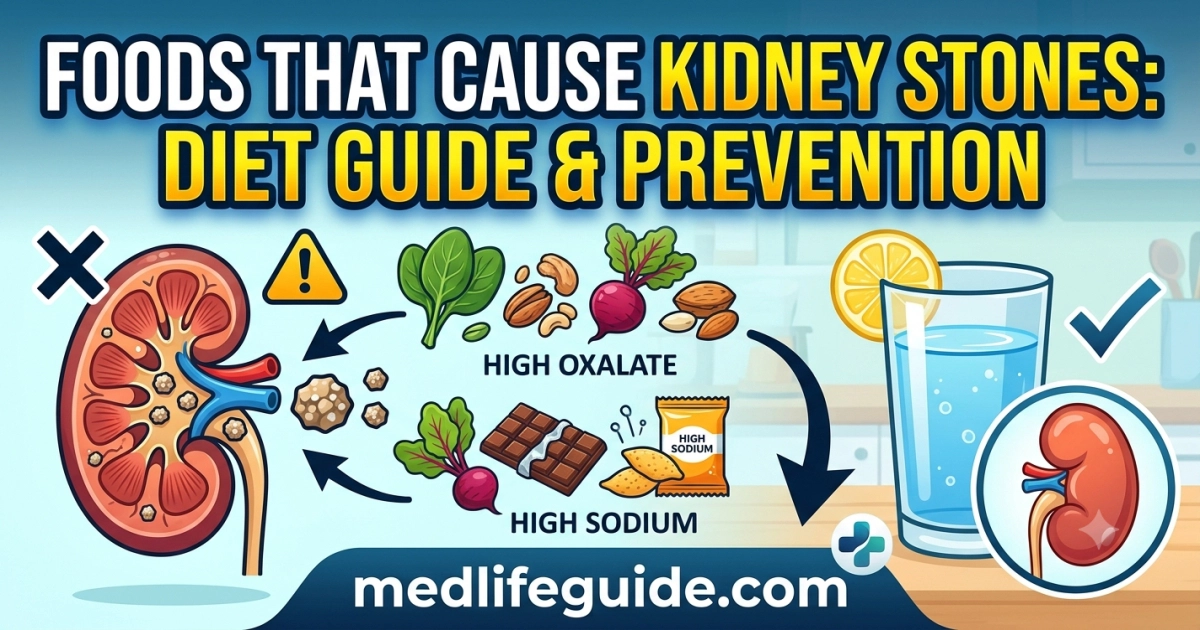
Oxalates are found naturally in many nutritious plant-based foods. However, for individuals who hyper-absorb oxalates, certain foods should be strictly moderated:
- Spinach and Rhubarb: These two contain exceptionally high concentrations of soluble oxalates compared to almost all other green vegetables.
- Nuts and Seeds: Almonds, cashews, and peanuts are highly concentrated sources of oxalates.
- Soy Products: Soy milk, tofu, and miso contain significant oxalate levels that can raise urinary concentrations if eaten daily.
- Beets and Sweet Potatoes: These root vegetables are nutritious but carry heavy oxalate loads.
- Chocolate and Cocoa Powder: Indulging in large amounts of dark chocolate or cocoa-based drinks adds substantial oxalates to your digestive system.
High-Sodium Foods
Sodium is a primary driver of calcium excretion. When you consume too much salt, your kidneys are forced to dump more calcium directly into your urine. This extra calcium then finds oxalates or phosphates to bond with, creating stones. Major culprits include:
- Fast food and restaurant meals
- Canned soups and processed frozen dinners
- Packaged snacks like potato chips and pretzels
- Processed meats including deli cold cuts, bacon, and sausage
Animal Proteins
Eating too much meat, poultry, fish, and eggs impacts your kidneys in three distinct ways: it increases urinary calcium excretion, raises uric acid levels, and lowers your urinary citrate levels. This combination creates an ideal environment for both calcium oxalate and uric acid stones to grow.
Added Sugars and High-Fructose Corn Syrup
Sugars found in sweetened beverages, sodas, and baked goods do more than cause weight gain. Fructose specifically increases the excretion of calcium, oxalate, and uric acid, while simultaneously making your urine more acidic.
| Food Component | Primary Stone Type Affected | Action Mechanism | Better Alternative |
|---|---|---|---|
| High Oxalates | Calcium Oxalate | Binds to calcium in urine | Kale, Bok Choy, Cucumbers |
| Excess Sodium | Calcium Oxalate & Phosphate | Forces calcium into urine | Fresh herbs, Lemon juice, Salt-free spices |
| Animal Protein | Uric Acid & Calcium Oxalate | Lowers pH; lowers citrate | Lentils, Beans, Peas, Organic Tofu |
| Fructose/Sugars | Uric Acid & Calcium Oxalate | Spikes calcium excretion | Fresh berries, Infused water |
The Essential Role of Hydration
No matter what foods you eat, inadequate hydration is the number one cause of kidney stones. When you do not drink enough water, your urine volume drops, and the minerals inside become highly concentrated. This makes it incredibly easy for individual crystals to find each other and lock together.
How Much Fluid Do You Need?
Most urologists recommend drinking enough fluids to produce at least 2.5 liters of urine every single day. For the average adult, this means consuming roughly 3 liters (about 10 to 12 ten-ounce glasses) of fluids daily. If you live in a hot climate, work a physical job, or exercise intensely, your fluid needs will be significantly higher to offset what you lose through sweat.
Tracking Your Hydration status
The easiest way to check your hydration level without any equipment is to observe the color of your urine. If your urine is dark yellow or amber, your body is dehydrated, and your stone risk is elevated. If your urine is consistently clear or a very pale, light yellow, you are drinking a safe, protective amount of water.
How to Adjust Your Diet Safely
Adapting your diet to prevent kidney stones should not mean starving yourself or missing out on essential nutrients. It is about smart moderation and balance.
Do Not Quit Dietary Calcium
A very common mistake patients make is cutting out milk, cheese, and yogurt because they hear their stones are made of calcium. This is dangerous. When you do not eat enough dietary calcium, your intestines absorb even higher amounts of oxalates, causing your urinary oxalate levels to skyrocket. Aim for 1,000 to 1,200 milligrams of dietary calcium daily spread out across your meals.
Increase Potassium-Rich Fruits and Vegetables
Recent clinical studies from leading institutions show that diets rich in potassium and magnesium significantly reduce stone recurrence. Potassium helps prevent your body from losing excess calcium through the urine. Focus on adding low-oxalate, high-potassium foods to your plate, such as bananas, avocados, oranges, cantaloupe, and zucchini.
Switch to Plant-Based Proteins
You do not have to become a strict vegetarian, but swapping out some meat meals for plant-based proteins can rapidly balance your urine acidity. Incorporate legumes, peas, and seeds that are lower in oxalates to satisfy your protein requirements without overloading your kidneys with purines.
Unique Clinical Takeaways
While standard health advice tells you to avoid certain foods, managing kidney stones in real life requires a more nuanced approach. Here are three original, actionable clinical insights:
- The Gut-Binding Technique (The Buddy System): You do not always have to completely eliminate high-oxalate foods like spinach or almonds. Instead, always eat them simultaneously with a calcium-rich food (like milk, yogurt, or cheese). This forces the calcium and oxalate to bind together in your stomach and intestines before they ever reach your kidneys. The bound minerals pass safely out of your body through your stool rather than building up in your urine.
- Hidden Vitamin C and Sugar Risks: Many patients carefully watch their salt intake but overlook over-the-counter supplements and hidden sugars. High doses of Vitamin C supplements (above 1,000 mg per day) are metabolized by your liver directly into oxalates, significantly spiking your stone risk. Additionally, high fructose corn syrup found in sodas and processed treats alters your urine chemistry, making it easier for crystals to bind.
- The Alkaline Shift via Citrate: The acidity of your urine dictates how easily stones can grow. Consuming fruits high in natural citrates—such as lemons, limes, and melons—acts as a natural defense system. Citrate binds to free calcium in the urine, blocking it from linking with oxalates or phosphates, effectively stopping stones before they can even start.
When to Consult a Specialist
Dietary changes are highly effective, but they work best when tailored to your exact metabolic makeup. If you have passed a kidney stone, try to save it so your doctor can send it to a laboratory for chemical analysis.
Your healthcare provider can also order a 24-hour urine collection test. This specialized test measures the exact volume of your urine over a full day, along with the precise levels of calcium, oxalate, sodium, uric acid, and citrate present. With these exact numbers, a registered dietitian or a urologist can build a highly customized map of what specific foods you need to avoid and which ones you should embrace.
FAQs (Frequently Asked Questions)
Yes, lemon juice is rich in natural citrate, which binds to calcium in your urine and blocks it from forming stone crystals. While it cannot dissolve an active, large stone, drinking it regularly can successfully stop new stones from growing.
Moderate coffee consumption is generally safe and may even lower stone risk due to its natural diuretic effect. However, black tea is highly concentrated in oxalates, so you should limit your intake or add milk to bind the oxalates in your digestive system.
You should speak directly with your doctor before stopping any prescribed supplements, but calcium supplements taken without food can increase stone risks. Dietary calcium from food sources is always preferred because it safely binds oxalates inside your digestive tract.
Excess sodium forces your kidneys to excrete higher levels of calcium directly into your urine supply. Once that extra calcium enters your concentrated urine, it easily bonds with oxalates or phosphates to create stones.
No, only specific greens like spinach, Swiss chard, and beet greens have dangerous amounts of oxalates. Excellent, low-oxalate alternatives include kale, bok choy, broccoli, and cabbage, which provide wonderful nutrition without any added stone risk.
References and Citations
- [1] Mayo Clinic. Kidney stones – Symptoms and causes. Mayo Clinic Source Page.
- [2] National Institute of Diabetes and Digestive and Kidney Diseases (NIDDK). Eating, Diet, & Nutrition for Kidney Stones. NIDDK Source Page.
- [3] National Institutes of Health (NIH) PMC. Risk of Kidney Stones: Influence of Dietary Factors. PMC Dietary Factors Study.
- [4] Mayo Clinic Proceedings. Dietary Risk Factors for Incident and Recurrent Symptomatic Kidney Stones. PubMed Mayo Study Abstract.
- [5] National Institutes of Health (NIH) PMC. Dietary oxalate and kidney stone formation. PMC Oxalate Study Review.
Reviewer Bio, Affiliation, and Disclosures
Reviewer: Dr. Adam N. Khan, MD
Affiliation: Associate Clinical Professor of Urology, Midwest Kidney Health Center.
Conflicts of Interest: Dr. Khan reports no relevant financial conflicts of interest or commercial ties regarding any products, diets, or medical devices mentioned in this text.
Medical Disclaimer
The information provided in this article is strictly for educational and informational purposes. It does not constitute formal medical advice, diagnosis, or treatment. Always consult with a qualified physician, urologist, or registered dietitian before making drastic changes to your diet, starting or stopping any supplements, or altering a prescribed medical treatment plan.