
Medically Reviewed and Compiled by Dr. Adam N. Khan, MD.
- Avoid Over-the-Counter Decongestants: Ingredients like pseudoephedrine and phenylephrine constrict blood vessels, raising blood pressure and counteracting anti-hypertensive drugs.
- Watch Out for NSAID Pain Relievers: Ibuprofen and naproxen cause fluid retention and weaken the effectiveness of blood pressure medications like ACE inhibitors and ARBs.
- Opt for Target-Specific, Safe Alternatives: Acetaminophen, saline nasal sprays, guaifenesin, and dextromethorphan provide effective relief without cardiovascular risks.
EMERGENCY WARNING: If you experience severe chest pain, sudden shortness of breath, a sudden crushing headache, visual disturbances, or a blood pressure reading over 180/120 mmHg while managing cold symptoms, seek emergency medical attention immediately by calling 911 or visiting the nearest emergency department.
The Hidden Danger of Common Cold Remedies for Hypertensive Patients
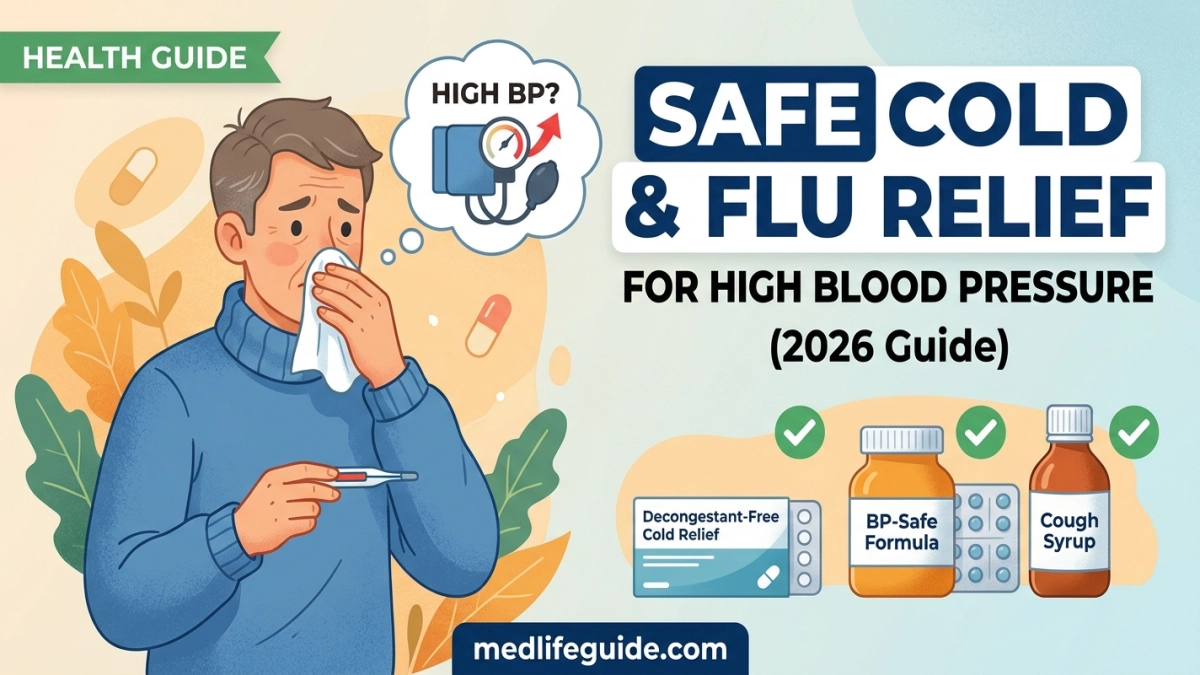
When a cold or flu hits, your instinct is to reach for off-the-shelf multi-symptom cold syrups or decongestant pills. However, for the millions of adults managing hypertension, standard over-the-counter (OTC) remedies present hidden cardiovascular risks.
Many widely available cough, cold, and sinus products contain active ingredients that directly elevate systemic blood pressure. Furthermore, these ingredients can neutralize the protective effects of common blood pressure medications, including ACE inhibitors, beta-blockers, calcium channel blockers, and diuretics.
+---------------------------------------------------------------------------------+
|                       MECHANISM OF MEDICATION INTERACTION                       |
+---------------------------------------------------------------------------------+
|                                                                                 |
|   Standard Decongestant                         High Blood Pressure Med         |
|   (e.g., Pseudoephedrine)                       (e.g., Lisinopril, Amlodipine)  |
|            │                                                  │                 |
|            ▼                                                  ▼                 |
|   Stimulates Alpha-Receptors                     Dilates Vessels & Lowers BP    |
|   Constricts Blood Vessels                                    │                 |
|            │                                                  │                 |
|            └───────────────────────┬──────────────────────────┘                 |
|                                    ▼                                            |
|                  NEUTRALIZED MEDICATIVE CONTROL                                 |
|                  • Spikes Systolic & Diastolic BP                               |
|                  • Increases Cardiac Workload                                   |
|                                                                                 |
+---------------------------------------------------------------------------------+
Understanding how cold remedies affect your cardiovascular system allows you to make informed decisions that relieve your symptoms while protecting your heart health.
Unique Clinical Takeaways
- Topical vs. Systemic Absorption Windows: While oral decongestants carry systemic risks, short-term use (under 3 days) of topical intranasal decongestants like oxymetazoline shows minimal systemic absorption in controlled hypertension, though non-medicated saline sprays remain the gold standard.
- Effervescent and Liquid Sodium Traps: Many soluble, effervescent, or liquid multi-symptom cold powders contain up to 1,000 mg of hidden sodium per dose. This added sodium can elevate blood pressure independently of active drug interactions.
- Synergistic Renal Stress from NSAIDs + Antihypertensives: Combining NSAIDs like ibuprofen with ACE inhibitors or ARBs creates a “triple whammy” effect on the kidneys, reducing glomerular filtration and driving up fluid retention and blood pressure.
Why Decongestants and NSAIDs Spike Blood Pressure
The two primary categories of OTC cold remedies to avoid are oral decongestants and Nonsteroidal Anti-inflammatory Drugs (NSAIDs).
The Mechanism of Oral Decongestants
Oral decongestants such as pseudoephedrine and phenylephrine work by stimulating alpha-adrenergic receptors in the body. This reaction triggers vasoconstriction—the narrowing of blood vessels.
While vasoconstriction reduces swelling in nasal membranes to ease breathing, it narrow blood vessels throughout your entire circulatory system. This systemic tightening forces your heart to pump harder, leading to rapid spikes in blood pressure and increased heart rate.
The Danger of NSAID Pain Relievers
Many people reach for NSAIDs like ibuprofen, naproxen, or aspirin (in high doses) to treat body aches and fever. NSAIDs inhibit cyclooxygenase (COX) enzymes, reducing prostaglandin synthesis.
Prostaglandins help dilate blood vessels and support kidney function. When prostaglandins are suppressed:
- The kidneys retain higher levels of sodium and water.
- Systemic vascular resistance increases.
- Anti-hypertensive drugs (especially diuretics and ACE inhibitors) become significantly less effective.
Breakdown of Safe vs. Unsafe OTC Ingredients
Selecting cold and flu products requires checking active ingredients rather than relying on front-of-pack brand names.
| Ingredient Name | Common Drug Class | Safety Status for High BP | Primary Risk / Mechanism |
| Pseudoephedrine | Oral Decongestant | UNSAFE | Vasoconstriction, spikes BP and heart rate |
| Phenylephrine | Oral Decongestant | UNSAFE | Narrowed blood vessels, elevated BP |
| Ibuprofen | NSAID Pain Reliever | UNSAFE | Fluid retention, reduces BP med efficacy |
| Naproxen | NSAID Pain Reliever | UNSAFE | Sodium retention, kidney strain |
| Acetaminophen | Analgesic / Antipyretic | SAFE | Relieves fever/pain without vasoconstriction |
| Saline Spray | Nasal Wash | SAFE | Clears mucus physically with zero systemic impact |
| Guaifenesin | Expectorant | SAFE | Thins mucus without cardiac stimulation |
| Dextromethorphan | Cough Suppressant | SAFE | Acts on cough center without altering blood pressure |
| Loratadine | Antihistamine | SAFE | Eases allergy/flu drip without cardiac strain |
Symptom-By-Symptom Safe Treatment Guide
Rather than using multi-symptom “all-in-one” cold formulas that often contain hidden decongestants, target specific symptoms individually.
                                  COLD & FLU SYMPTOM DIAGNOSIS
                                                │
         ┌──────────────────────────────────────┼──────────────────────────────────────┐
         ▼                                      ▼                                      ▼
   FEVER & ACHES                         NASAL CONGESTION                       CHEST COUGH
         │                                      │                                      │
         ▼                                      ▼                                      ▼
  Acetaminophen                          Saline Nasal Spray /                     Guaifenesin (Wet) /
  (Tylenol)                              Steam Inhalation                         Dextromethorphan (Dry)
1. Fever, Headache, and Body Aches
- Recommended Choice: Acetaminophen.
- Clinical Guidance: Acetaminophen relieves mild-to-moderate pain and reduces fever without affecting vascular tone or renal sodium excretion. Keep daily intake under 3,000 mg to prevent liver strain, and verify that other cold formulas do not contain hidden acetaminophen.
2. Nasal Congestion and Sinus Pressure
- Recommended Choice: Isotonic or hypertonic saline nasal sprays, sinus rinses (neti pots with distilled water), and steam inhalation.
- Clinical Guidance: Physical saline irrigation thins congestion and flushes inflammatory particles without systemic absorption, posing zero risk to your blood pressure.
3. Chest Congestion and Productive Cough
- Recommended Choice: Guaifenesin.
- Clinical Guidance: Guaifenesin loosens bronchial secretions, making coughs more productive without stimulating heart rate or constricting arteries. Maintain adequate hydration to optimize its mucus-thinning benefits.
4. Dry, Ticklish Cough
- Recommended Choice: Dextromethorphan.
- Clinical Guidance: Dextromethorphan suppresses dry, unproductive cough signals in the brain without cardiovascular side effects.
5. Runny Nose and Sneezing
- Recommended Choice: Second-generation antihistamines (e.g., loratadine, cetirizine, fexofenadine).
- Clinical Guidance: Second-generation antihistamines block histamine responses with minimal sedation and no vasoconstrictive impact on blood pressure.
Step-by-Step Selection Protocol
When selecting cold and flu remedies while managing hypertension, use this standard checking procedure:
1.Check the Active Ingredients Panel:Do not rely on front-of-pack claims.
Turn the box over and read the “Drug Facts” label carefully. Look specifically for active ingredients rather than marketing terms like “Sinus Relief” or “Multi-Symptom.”
2.Screen Out Decongestants and NSAIDs:Identify hidden cardiovascular triggers.
Verify that the product contains no pseudoephedrine, phenylephrine, ephedrine, ibuprofen, or naproxen.
3.Verify HBP Packaging Designation:Look for explicit safety markings.
Select products labeled specifically for individuals with high blood pressure (such as Coricidin HBP or DayQuil HBP). Always re-verify the active ingredients list even on HBP-branded products.
4.Consult Your Pharmacist:Cross-check with your prescription medications.
Ask your pharmacist to check your chosen OTC cold medicine against your specific antihypertensive prescription (e.g., Lisinopril, Amlodipine, Metoprolol, or Hydrochlorothiazide).
Frequently Asked Questions
Standard DayQuil contains phenylephrine, an oral decongestant that can raise blood pressure. However, specialized decongestant-free versions (such as Vicks DayQuil HBP) are formulated specifically for people with hypertension.
Coricidin HBP products are formulated without decongestants, making them safer for most hypertensive patients. However, you should still check for interactions with your specific blood pressure medications, especially if you have liver or kidney conditions.
Saline nasal sprays are completely safe because they contain no active drugs. Medicated decongestant sprays (such as oxymetazoline) carry lower systemic risk than oral pills when used short-term, but they should still be limited to 3 consecutive days to prevent rebound congestion.
Acetaminophen (Tylenol) is generally the safest pain and fever reducer for people with hypertension. NSAIDs like ibuprofen and naproxen should be avoided because they cause sodium retention and reduce the effectiveness of blood pressure drugs.
Effective natural methods include using saline sinus rinses, using a cool-mist humidifier, inhaling steam from hot showers, staying hydrated, and elevating your head while sleeping.
References and Citations
- American Heart Association. (2025). Over-the-Counter Medications and High Blood Pressure. /references/american-heart-association-otc-guidelines
- Mayo Clinic. (2025). High Blood Pressure and Cold Remedies: Which Are Safe? /references/mayo-clinic-hypertension-cold-remedies
- National Institutes of Health (NIH). (2024). Decongestant Effects on Vascular Smooth Muscle and Arterial Pressure. /references/nih-decongestant-vascular-study
- National Center for Biotechnology Information (NCBI). (2024). NSAID-Induced Hypertensive Risks and Renal Interactions. /references/ncbi-nsaid-hypertension-review
- World Health Organization (WHO). (2025). Global Report on Hypertension and Self-Medication Safety. /references/who-hypertension-safety-report
Author & Reviewer Biography
Dr. Adam N. Khan, M.D., earned his medical degree from King Edward Medical University and completed his Internal Medicine residency at Mayo Hospital. He is an active PMDC-licensed physician dedicated to global health literacy, translating complex peer-reviewed research into accurate, safe, and actionable health guidance for MEDLIFEGUIDE readers.Affiliation: Independent Clinical Reviewer, MEDLIFEGUIDE. Financial/Conflict Disclosure: Dr. Khan reports no financial conflicts of interest or commercial ties with pharmaceutical manufacturers mentioned in this article.
Standard Medical Disclaimer
This article is for informational and educational purposes only and does not constitute formal medical advice, diagnosis, or treatment. Always consult a qualified healthcare provider or pharmacist before starting, stopping, or altering any medication or treatment plan, particularly if you have pre-existing cardiovascular conditions or are taking prescription blood pressure drugs.