
Medically Reviewed and Compiled by Dr. Adam N. Khan, MD.
Quick Summary
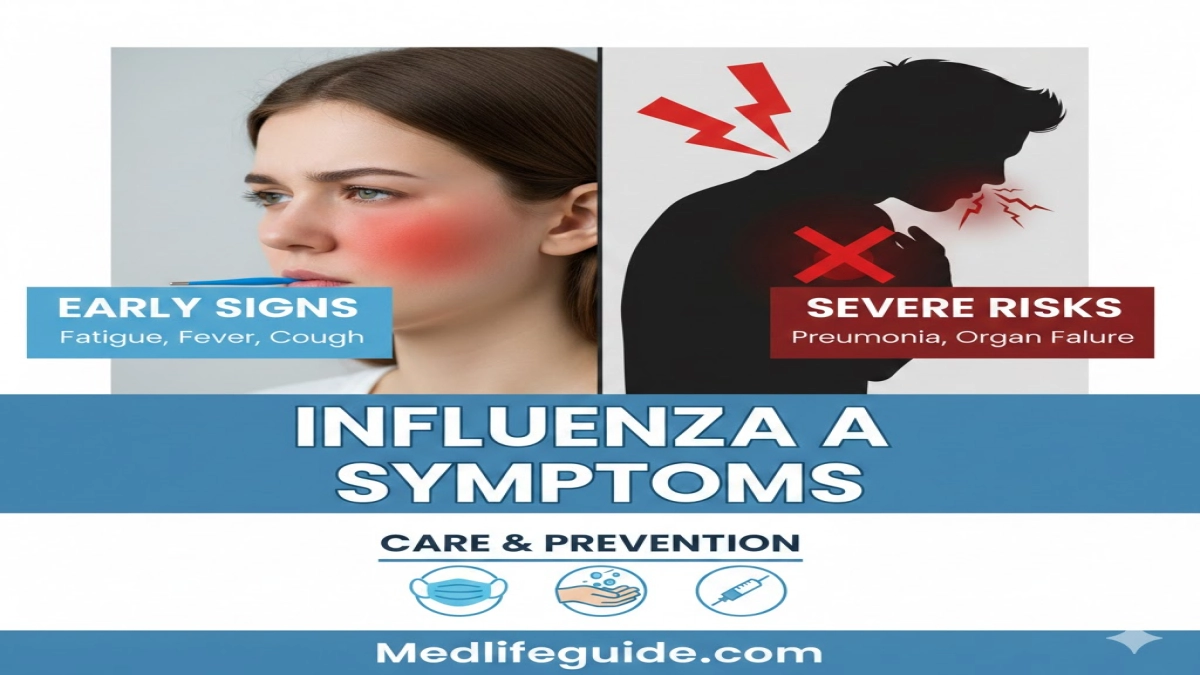
- Rapid Onset: Influenza A presents abruptly with high fever, severe body aches, overwhelming fatigue, and a dry, hacking cough that develops within hours.
- Critical 48-Hour Window: Starting prescription oral antiviral therapies within 48 hours of your first symptom significantly reduces illness duration, risk of severe complications, and hospitalization.
- Vulnerable Populations: Young children, older adults, pregnant women, and individuals with underlying health conditions face high risks for secondary bacterial pneumonia and require close monitoring.
EMERGENCY WARNING
Seek immediate emergency medical care (call 911 or go to the nearest emergency room) if you or someone in your care experiences severe difficulty breathing, shortness of breath, persistent chest pain or pressure, sudden confusion, difficulty waking up, seizures, a high fever above 104°F that does not respond to medication, or a noticeable blue, pale, or gray discoloration on the lips, skin, or nail beds. For infants, seek emergency help immediately if they exhibit blue lips, grunting during breathing, ribbed chest retractions, or a lack of wet diapers for more than 12 hours.
Medical Overview and Pathophysiology of Influenza A
Influenza A is a highly contagious respiratory infection caused by influenza A viruses belonging to the Orthomyxoviridae family. These viruses infect the respiratory tract, including the nose, throat, and lungs. Unlike common cold viruses, which generally affect only the upper respiratory passages, Influenza A rapidly penetrates deeper tissues. This triggers a strong inflammatory response from your immune system, leading to widespread systemic symptoms throughout the body.
When Influenza A enters the respiratory tract, it attaches to mucosal lining cells through specialized surface proteins called hemagglutinin. Once inside, the virus multiplies rapidly, destroying host cells and triggering an intense surge of inflammatory signals called cytokines. This systemic immune surge explains why Influenza A symptoms feel so sudden and severe—causing intense muscle aches, high fever, and extreme exhaustion before respiratory symptoms like coughing or nasal congestion fully peak.
Understanding how Influenza A spreads and behaves in the body helps patients and caregivers take prompt action. Transmission primarily occurs through airborne respiratory droplets released when an infected person coughs, sneezes, or talks. People can also contract the virus by touching contaminated surfaces and then touching their eyes, nose, or mouth. Because Influenza A strains undergo constant genetic shifts, annual immunity fluctuates, making timely diagnosis and preventive care critical each seasonal cycle.
Symptom Breakdown and Diagnostic Comparison Table
Recognizing the exact signs of Influenza A can be challenging because respiratory illnesses share overlapping symptoms. However, key clinical features help distinguish Influenza A from the common cold, COVID-19, and seasonal allergies.
| Clinical Feature | Influenza A | Common Cold | COVID-19 (2026) | Seasonal Allergies |
|---|---|---|---|---|
| Onset Speed | Sudden / Abrupt | Gradual | Variable / Gradual | Immediate Exposure |
| Fever Presence | High (101°F–104°F) | Rare / Mild | Low to Moderate | None |
| Body & Muscle Aches | Severe & Severe | Mild | Moderate | None |
| Exhaustion / Fatigue | Intense & Prolonged | Mild | Moderate to High | Rare |
| Sore Throat | Common | Very Common | Primary Early Sign | Mild Tickle |
| Cough Intensity | Dry, Harsh, Severe | Mild to Moderate | Dry or Productive | Mild Tickle |
| Loss of Taste or Smell | Rare | Rare (from congestion) | Rare (<10%) | None |
| Sneezing / Runny Nose | Occasional | Very Common | Very Common | Continuous / Clear |
| Duration | 7 to 10 Days | 5 to 7 Days | 7 to 14 Days | Weeks / Seasonal |
Detailed Symptom Analysis
- Sudden High Fever and Chills: Body temperature often spikes rapidly to 101°F–104°F within hours of onset, accompanied by shivers and night sweats.
- Severe Myalgia (Muscle Aches): Deep, painful aches localized in the back, arms, and legs caused by circulating inflammatory cytokines.
- Profound Prostration: Severe weakness that leaves patients bedridden, lasting well past the initial fever phase.
- Dry, Irritating Cough: A persistent cough that feels harsh in the chest and can trigger mild sore throat pain.
- Headache and Eye Discomfort: Pain behind the eyes, intense forehead headaches, and sensitivity to bright light.
Unique Clinical Takeaways
The Cytokine-Driven “Crash” Effect
Unlike colds or allergies that build gradually over several days, Influenza A causes a dramatic “symptom wall.” Patients can often pinpoint the exact hour they became sick. This sudden crash is caused by a massive immune cytokine release that hits the bloodstream before the virus fully populates the upper airway. Recognizing this rapid onset allows patients to seek antiviral testing within the narrow therapeutic window.
The 48-Hour Antiviral Testing Window
Rapid antigen tests can yield false negatives if taken within the first 12 hours of fever because viral shedding in the nasal passages may not have reached peak levels. However, waiting too long reduces the benefit of prescription antiviral drugs like baloxavir marboxil or oseltamivir, which must be started within 48 hours of symptom onset. If an initial rapid test is negative on Day 1 but severe symptoms persist, seeking a molecular PCR test or re-testing 24 hours later is crucial for high-risk individuals.
Atypical “Silent” Presentations in Older Adults
Older individuals (aged 65 and older) and immunocompromised adults often do not develop a high fever or classic respiratory complaints. Instead, an Influenza A infection may manifest as sudden lethargy, unexplained confusion, loss of appetite, acute dizziness, or a sudden decline in physical mobility. Caregivers must view sudden functional changes in seniors as potential signs of an active viral infection rather than normal aging.
Stage-by-Stage Illness Progression Timeline
Understanding the day-by-day progression of Influenza A helps patients track their recovery and recognize when complications arise.
[Day 0: Exposure] ---> [Days 1–3: Peak Acute Phase] ---> [Days 4–6: Respiratory Phase] ---> [Days 7–10+: Recovery] (Incubation) -> (Sudden Fever & Aches) -> (Fever Breaks, Cough Peak) -> (Energy Returns Slowly)
Days 1 to 3: The Acute Inflammatory Spike
The illness strikes suddenly. High fever, intense body aches, severe headaches, and deep exhaustion develop rapidly. Patients usually lose their appetite and feel too weak to carry out normal daily tasks. The throat feels dry and sore, and a dry cough begins.
Days 4 to 6: The Subacute Respiratory Phase
Fever typically begins to subside or break, but respiratory symptoms become more prominent. Coughing becomes more frequent and may produce mild mucus. Nasal congestion, runny nose, and chest tightness are common during this stage. While muscle aches diminish, general fatigue remains significant.
Days 7 to 10: Resolution and Recovery
Most acute symptoms resolve by Day 7. However, a lingering dry cough, clear nasal discharge, and mild physical fatigue can persist for up to two full weeks. If fever recurs or coughing worsens dramatically during this stage, it may signal a secondary bacterial infection requiring medical evaluation.
High-Risk Vulnerabilities and Special Populations
Influenza A can affect anyone, but certain high-risk groups face a substantially higher likelihood of severe illness, hospitalization, or secondary complications like viral or bacterial pneumonia.
| Vulnerable Population | Primary Clinical Risks | Key Caregiver Actions |
|---|---|---|
| Adults Aged 65+ | Bacterial pneumonia, cardiovascular stress, fall risk | Monitor for confusion & low energy |
| Young Children (<5 Years) | Severe dehydration, febrile seizures, croup | Track wet diapers, fever & breathing |
| Pregnant Women | Premature labor, severe maternal respiratory strain | Seek early antiviral evaluation |
| Chronic Health Conditions | Asthma flare-ups, heart failure, blood sugar spikes | Continue routine medications & test early |
Older Adults (65 Years and Older)
Aging immune systems have a harder time clearing viral pathogens. Older adults are at increased risk for primary viral pneumonia and secondary bacterial lung infections. Furthermore, the systemic stress of Influenza A increases the short-term risk of heart attack or stroke in individuals with pre-existing cardiovascular disease.
Infants and Young Children
Children under 5 years old—and especially infants under 6 months—have small airways and developing immune systems. They are susceptible to croup, bronchiolitis, severe dehydration, and high-fever-induced seizures (febrile seizures). Parents should monitor respiratory effort closely; visible ribs during breathing or rapid abdominal movement are signs of severe respiratory distress.
Pregnant Individuals
Pregnancy alters cardiovascular and lung function while naturally modulating immune responses. Pregnant women who contract Influenza A face increased risks of hospitalization, severe pneumonia, and pregnancy complications, including preterm labor. Early antiviral treatment is strongly recommended for this group.
Individuals with Pre-existing Chronic Conditions
Patients with asthma, chronic obstructive pulmonary disease (COPD), heart failure, diabetes, or chronic kidney disease are far more likely to experience severe flare-ups of their underlying condition when infected with Influenza A.
Evidence-Based Diagnostics, Testing, and Medical Management
Prompt medical evaluation helps differentiate Influenza A from other viral pathogens and guides targeted medical treatment.
Diagnostic Testing Options
- Rapid Influenza Diagnostic Tests (RIDTs): Antigen-detection swabs that provide results within 15 to 30 minutes in clinic settings. While highly specific, their sensitivity varies, meaning a negative result does not completely rule out flu if symptoms are strong.
- Rapid Molecular Assays and PCR Tests: High-accuracy nucleic acid amplification tests that detect viral RNA within 20 to 45 minutes. PCR testing is the gold standard for hospital admissions and high-risk outpatient evaluations.
Prescription Antiviral Therapies
Antiviral medications inhibit viral replication, shortening illness duration by 1 to 2 days and significantly reducing complication risks when started within 48 hours of symptom onset.
- Baloxavir Marboxil: A single-dose oral antiviral approved for patients aged 5 and older that blocks viral gene transcription.
- Oseltamivir (Tamiflu): A 5-day oral neuraminidase inhibitor approved for patients of all ages, including infants and pregnant individuals.
- Zanamivir: An inhaled powder neuraminidase inhibitor for patients aged 7 and older (not recommended for individuals with underlying asthma or COPD).
Prescription Safety Note: Antiviral medications require a direct prescription from a licensed healthcare provider. Over-the-counter cold medicines do not kill the virus and should be used cautiously according to package instructions.
Home Care, Isolation Protocols, and Recovery Strategies
Most healthy individuals recover from Influenza A at home with proper rest, hydration, and symptom management.
| Home Care Strategy | Actionable Instructions |
|---|---|
| Hydration Focus | Sip warm broths, herbal teas, water, or electrolyte solutions continuously. |
| Rest and Recovery | Maintain complete bed rest during fever; avoid exertion for at least 7 days. |
| Symptom Relief | Use acetaminophen or ibuprofen as directed for fever and severe body aches. |
| Airway Support | Use a cool-mist humidifier and warm showers to ease dry coughing and congestion. |
| Infection Control | Isolate in a separate room; wear a mask in shared household areas. |
Isolation and Infection Control
To protect family members and the community:
- Stay home and avoid public settings until you have been free of fever (without using fever-reducing medication) for at least 24 full hours.
- Wash hands frequently with soap and water for at least 20 seconds.
- Cover coughs and sneezes with tissues or the bend of your elbow, disposing of used tissues immediately.
- Clean high-touch surfaces like door handles, light switches, and phones daily with disinfectant wipes.
Frequently Asked Questions (FAQs)
How long does Influenza A remain contagious?
Most adults are contagious starting 1 day before symptoms appear and remain capable of spreading the virus for 5 to 7 days after becoming sick. Young children and immunocompromised individuals can spread the virus for even longer.
Can I get Influenza A if I already received my seasonal flu shot?
Yes, but vaccinated individuals who contract Influenza A typically experience significantly milder symptoms, shorter illness duration, and a substantially lower risk of hospitalization or severe complications.
What is the main difference between Influenza A and Influenza B?
Influenza A viruses infect both humans and animals, evolve rapidly, and cause the majority of seasonal flu epidemics and pandemics. Influenza B infects humans almost exclusively, mutates more slowly, and generally causes less widespread outbreaks.
Should I take antibiotics for an Influenza A infection?
No, antibiotics only kill bacteria and have no effect against viral infections like Influenza A. Antibiotics are only prescribed if a physician diagnoses a secondary bacterial infection, such as bacterial pneumonia or a middle ear infection.
When is it safe to return to work or school after having Influenza A?
You can safely return to work or school when your symptoms are improving and you have been completely free of fever for at least 24 hours without using fever-reducing medications like acetaminophen or ibuprofen.
About the Reviewer
Dr. Adam N. Khan, MD is a board-certified internal medicine physician specializing in adult primary care, infectious disease management, and evidence-based patient education. He maintains zero commercial conflicts of interest and receives no funding or financial incentives from pharmaceutical companies or diagnostic manufacturers.