
High cholesterol, particularly elevated LDL (“bad”) cholesterol, significantly increases the risk of heart disease by contributing to plaque buildup in arteries, a process called atherosclerosis. This can lead to serious cardiovascular events like heart attacks and strokes. While not everyone with high cholesterol will develop heart disease, it is a major, modifiable risk factor that requires proactive management to safeguard long-term heart health. Early detection and intervention are crucial for prevention.
What Exactly is Cholesterol and Why Does it Matter for Your Heart?
Cholesterol often gets a bad rap, but it’s not inherently evil. In fact, this waxy, fat-like substance is vital for your body’s functions. It’s a building block for healthy cells, hormones, and vitamin D. Your liver produces all the cholesterol you need, but you also get it from certain foods. The problem arises when there’s too much of a particular type of cholesterol circulating in your blood.
We primarily talk about two main types: Low-Density Lipoprotein (LDL) cholesterol, often dubbed “bad” cholesterol, and High-Density Lipoprotein (HDL) cholesterol, known as “good” cholesterol. LDL cholesterol transports cholesterol particles throughout your body. When levels are too high, these particles can accumulate in your artery walls, forming plaque. HDL cholesterol, on the other hand, acts like a scavenger, picking up excess cholesterol and returning it to the liver for removal from the body. It’s a delicate balance, and when it tips, your heart health is at risk.
How Does High Cholesterol Damage Your Heart?
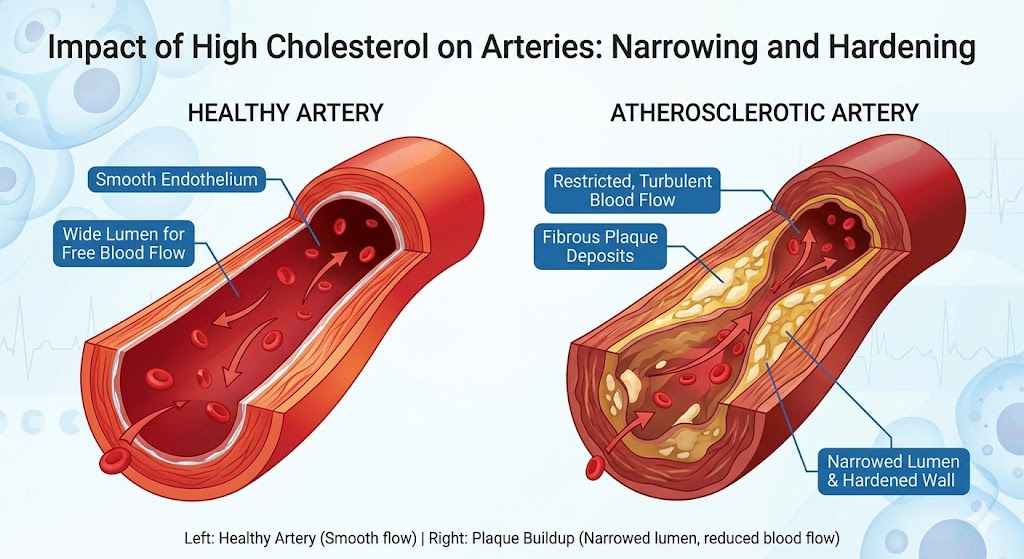
The primary danger of high cholesterol, particularly high LDL, lies in its role in atherosclerosis – a silent, progressive disease where plaque builds up inside your arteries. Think of your arteries as highways for blood, carrying oxygen and nutrients to your heart and other organs. When plaque accumulates, these highways become narrower and less flexible, much like a pipe getting clogged with debris. This narrowing restricts blood flow, forcing your heart to work harder to pump blood through.
Over time, this plaque can harden and even rupture. When a plaque ruptures, your body tries to repair it by forming a blood clot. This clot can further narrow the artery or completely block it, leading to a heart attack if it occurs in the arteries supplying the heart, or a stroke if it happens in the arteries leading to the brain. This process doesn’t happen overnight; it often takes decades of elevated cholesterol levels to develop significant blockages.
It’s a common misconception that only extremely high cholesterol levels are dangerous. While LDL levels above 190 mg/dL are considered very high and significantly increase risk, even moderately elevated levels over a long period can contribute to arterial damage. This cumulative exposure to high cholesterol is a key factor in determining your long-term cardiovascular risk.
What Happens if High Cholesterol is Left Untreated?
Leaving high cholesterol untreated is akin to ignoring a slow leak in your car tire – eventually, it will lead to a breakdown. If high cholesterol is left unmanaged, the progression of atherosclerosis continues, increasing your risk for a cascade of serious health issues. These include:
•Coronary Artery Disease (CAD): This is the most common type of heart disease, where the arteries supplying blood to the heart muscle become hardened and narrowed. CAD can lead to angina (chest pain) and, ultimately, heart attacks.
•Heart Attack: As mentioned, a complete blockage of a coronary artery due to plaque rupture and clot formation results in a heart attack, where a portion of the heart muscle dies from lack of oxygen.
•Stroke: If a blood clot blocks an artery leading to the brain, or if a weakened blood vessel in the brain ruptures, it causes a stroke, leading to brain damage and potential long-term disability.
•Peripheral Artery Disease (PAD): This condition affects blood vessels outside of the heart and brain, typically in the legs and feet, causing pain, numbness, and increasing the risk of infection and amputation.
•Sudden Cardiac Arrest: In some cases, severe atherosclerosis can disrupt the heart’s electrical system, leading to a sudden and often fatal cessation of heart function.
These are not just theoretical risks; they are stark realities. According to the American Heart Association’s 2025 Heart Disease and Stroke Statistics, cardiovascular disease remains a leading cause of death globally. In 2023, nearly a million people died from cardiovascular disease in the US alone, accounting for 1 in every 3 deaths. These statistics underscore the critical importance of addressing high cholesterol proactively.
Is High Cholesterol Dangerous for Young Adults? (Expert Insight from Reddit)
It’s easy to think of heart disease as an older person’s problem, but the seeds of atherosclerosis can be sown much earlier in life. A discussion on Reddit’s r/PeterAttia, where a 29-year-old with high cholesterol expressed concern about heart attack risk, highlights this point.
One user, who had similar high cholesterol numbers at age 10, shared their experience: “The good news is that your risk of a heart attack is still low because it takes decades of elevated cholesterol to develop significant blockages.” This doesn’t mean young adults with high cholesterol are off the hook. Instead, it emphasizes that early intervention is key. The cumulative exposure to high LDL over many years is what drives risk. A young person with consistently high cholesterol has more years for plaque to build up, potentially leading to earlier onset of cardiovascular disease compared to someone who develops high cholesterol later in life.
Another expert insight from the same thread pointed out that a very high ApoB (a protein associated with LDL) could indicate familial hypercholesterolemia, a genetic condition. They advised, “The good news is you’re catching this young, and ASCVD risk is about cumulative exposure over time. Your lipidologist will likely start dual lipid lowering therapy and may recommend genetic testing.” This underscores the importance of understanding the underlying cause of high cholesterol, especially in younger individuals, and seeking specialized medical advice.
How is High Cholesterol Diagnosed and Monitored?
Diagnosing high cholesterol is straightforward, typically involving a simple blood test called a lipid panel or lipoprotein panel. This test measures your total cholesterol, LDL cholesterol, HDL cholesterol, and triglycerides. It’s usually done after a 9-12 hour fast to ensure accurate results. Regular check-ups are crucial, as high cholesterol often presents no symptoms until it reaches a dangerous stage, making it a ‘silent killer.’
Your doctor will interpret these numbers in the context of your overall health profile, including other risk factors like high blood pressure, diabetes, family history of heart disease, and lifestyle choices. For instance, an LDL cholesterol level above 190 mg/dL is generally considered very high. However, what’s considered ‘dangerous’ can vary. If you have multiple risk factors, even moderately elevated levels might warrant aggressive management.
Monitoring cholesterol levels is an ongoing process. Once diagnosed, your healthcare provider will recommend a treatment plan and regular follow-up tests to track your progress and adjust interventions as needed. This continuous monitoring is vital to prevent the long-term damage that high cholesterol can inflict on your cardiovascular system.
What are the Best Strategies for Lowering Cholesterol and Protecting Your Heart?
Managing high cholesterol is a multi-faceted approach, often involving lifestyle modifications, and in many cases, medication. The goal is not just to lower numbers but to reduce your overall risk of cardiovascular events.
Lifestyle Changes for Cholesterol and Heart Health
Many people can significantly improve their cholesterol levels through dedicated lifestyle changes. These are often the first line of defense and remain crucial even when medication is necessary:
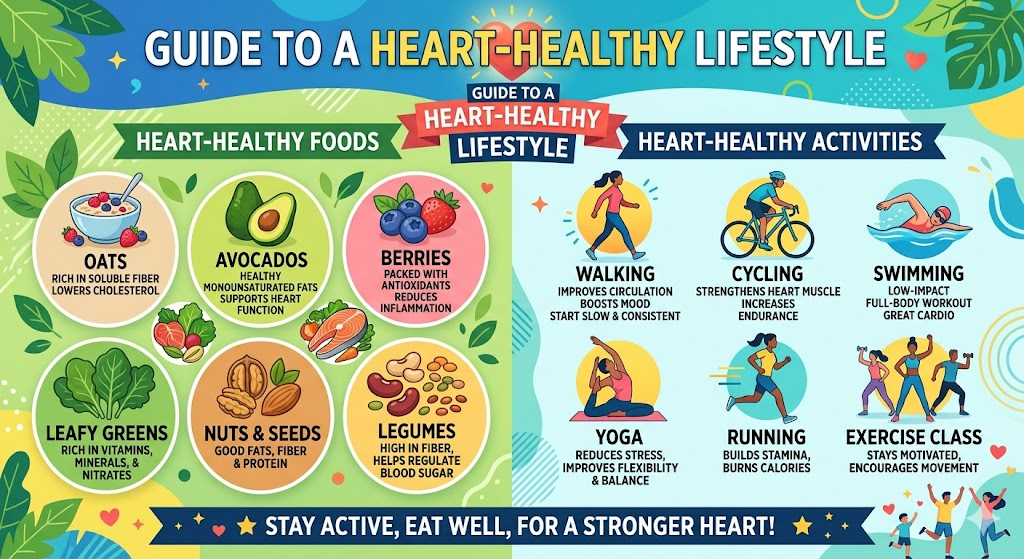
•Dietary Adjustments: Focusing on a heart-healthy diet is paramount. This includes reducing saturated and trans fats, which are found in red meat, full-fat dairy products, and many processed foods. Instead, emphasize foods rich in soluble fiber (oats, beans, fruits, vegetables) and omega-3 fatty acids (fatty fish like salmon, flaxseeds, walnuts). The best foods to eat for high cholesterol heart health are those that are whole, unprocessed, and plant-forward.
•Regular Exercise: Physical activity plays a significant role in improving cholesterol profiles. It helps increase HDL (“good”) cholesterol and can lower LDL and triglycerides. Aim for at least 150 minutes of moderate-intensity aerobic exercise or 75 minutes of vigorous-intensity exercise per week. The best exercise for lowering cholesterol heart health often includes brisk walking, jogging, swimming, or cycling.
•Weight Management: Losing excess weight, especially around the abdomen, can have a positive impact on cholesterol levels. Even a modest weight loss can improve both LDL and HDL cholesterol.
•Quitting Smoking: Smoking damages blood vessels and significantly lowers HDL cholesterol. Quitting is one of the most impactful steps you can take for your heart health.
•Limiting Alcohol: Excessive alcohol consumption can raise triglyceride levels. Moderation is key.
Medication for High Cholesterol Heart Patients
For many individuals, lifestyle changes alone may not be enough to reach target cholesterol levels, especially if genetic factors like familial hypercholesterolemia are at play. In such cases, your doctor may prescribe medication. The best medication for high cholesterol heart patients often depends on individual risk factors and specific cholesterol levels. Common classes of medications include:
•Statins: These are the most commonly prescribed drugs for high cholesterol. They work by blocking a substance your liver needs to make cholesterol, leading to a reduction in LDL cholesterol. Examples include atorvastatin (Lipitor) and rosuvastatin (Crestor).
•Ezetimibe: This medication reduces the absorption of cholesterol from the small intestine.
•PCSK9 Inhibitors: These are newer injectable drugs that dramatically lower LDL cholesterol by increasing the number of LDL receptors on the liver, which remove LDL cholesterol from the blood.
•Bile Acid Sequestrants: These drugs work in the intestine by binding to bile acids, which contain cholesterol, and preventing their reabsorption.
It’s important to have an open discussion with your doctor about the risks and benefits of medication, as well as potential side effects. The goal is to find the most effective and tolerable treatment plan for your individual needs.
Reddit/Quora Expert Insight: The Importance of Comprehensive Assessment Beyond Basic Cholesterol Numbers
Beyond just the standard lipid panel, many experts, particularly those active in communities like Reddit’s r/PeterAttia, emphasize a more comprehensive assessment of cardiovascular risk. One key takeaway from these discussions is the importance of looking at markers like ApoB and considering advanced imaging.
As one Reddit user, a medical professional, noted: “Your ApoB is very high, likely familial hypercholesterolemia high… I’d recommend a CAC or a CCTA to see what is going on in your arteries, and likely lipid lowering therapy.” This highlights that ApoB, a measure of all atherogenic (plaque-forming) lipoprotein particles, can be a more accurate predictor of cardiovascular risk than LDL-C alone, especially in certain individuals. Furthermore, a Coronary Artery Calcium (CAC) scan or a Coronary CT Angiography (CCTA) can provide direct visualization of plaque buildup in the arteries, offering a more personalized understanding of one’s actual arterial health rather than just relying on risk factors.
This advanced perspective suggests that while traditional cholesterol numbers are a good starting point, a deeper dive into one’s lipid profile and arterial status can lead to more precise risk stratification and tailored treatment strategies. It underscores the idea that managing high cholesterol isn’t just about hitting arbitrary numbers, but about understanding and mitigating the actual biological processes leading to heart disease.
Can Supplements Help Lower Cholesterol and Protect Your Heart?
While lifestyle changes and prescribed medications form the cornerstone of cholesterol management, many individuals explore supplements as an adjunct. It’s crucial to approach supplements with caution and always discuss them with your healthcare provider, as some can interact with medications or have unintended side effects. However, certain supplements have shown promise in supporting cholesterol health:
•Omega-3 Fatty Acids: Found in fish oil, these fatty acids are well-known for their heart-protective benefits, primarily by lowering triglyceride levels and reducing inflammation. While their direct impact on LDL cholesterol is less pronounced, they contribute to overall cardiovascular health.
•Plant Sterols and Stanols: These compounds, naturally found in plants, can help block the absorption of cholesterol in the intestine, leading to a modest reduction in LDL cholesterol. They are often added to fortified foods like margarine and yogurt, or available as supplements.
•Soluble Fiber: Beyond dietary sources, soluble fiber supplements like psyllium husk can help reduce LDL cholesterol by binding to cholesterol in the digestive tract and preventing its absorption.
•Niacin (Vitamin B3): Niacin can significantly lower LDL cholesterol and triglycerides while increasing HDL cholesterol. However, it can have side effects like flushing and should only be taken under medical supervision due to potential liver issues at high doses.
•Red Yeast Rice: This traditional Chinese medicinal product contains monacolins, which are naturally occurring statin-like compounds. While effective, its potency and purity can vary, and it carries similar risks to prescription statins, making medical guidance essential.
It’s important to remember that supplements are not a substitute for a healthy lifestyle or prescribed medication. They should be considered as complementary tools, used strategically and under professional guidance, especially when seeking the best supplements for cholesterol heart protection.
How Quickly Does High Cholesterol Damage the Heart, and Does it Always Lead to Problems?
This is a question that often causes significant anxiety, particularly for those newly diagnosed. The reality is that the damage from high cholesterol is a gradual process, often unfolding over many years, even decades. It’s not an acute event but a chronic condition where plaque slowly accumulates in the arteries.
For instance, a young adult with elevated cholesterol might not experience immediate symptoms or have a high short-term risk of a heart attack. However, the longer the cholesterol levels remain high, the greater the cumulative exposure of the arteries to damaging LDL particles. This prolonged exposure accelerates the development of atherosclerosis. This is why early detection and consistent management are so critical, even if immediate symptoms are absent. The goal is to prevent or slow down the progression of arterial damage before it becomes clinically significant.
Does high cholesterol always lead to heart problems? Not necessarily. While it’s a major risk factor, it’s one piece of a larger puzzle. Many factors influence heart disease development, including genetics, blood pressure, diabetes, smoking, physical activity, and diet. Some individuals with high cholesterol may never develop overt heart disease, especially if other risk factors are well-controlled and they adopt aggressive lifestyle interventions. Conversely, some individuals with seemingly normal cholesterol levels can still develop heart disease due to other contributing factors. The key is to manage all modifiable risk factors comprehensively to minimize your overall hypercholesterolemia heart risk.
The Role of Your Doctor: Finding the Best Support for High Cholesterol Heart Issues
Navigating a diagnosis of high cholesterol and understanding its implications can be overwhelming. This is where a trusted healthcare professional becomes your most valuable ally. Finding the best doctor for high cholesterol heart issues often means seeking out a primary care physician who is proactive in cardiovascular health, or a specialist like a cardiologist or lipidologist.
Your doctor will:
•Accurately Diagnose and Assess Risk: They will interpret your lipid panel results in the context of your full medical history, family history, and other risk factors to provide a personalized risk assessment. This includes evaluating your risk for a cardiac event.
•Develop a Personalized Treatment Plan: Based on your risk profile, they will recommend a tailored approach that may include lifestyle modifications, medication, or a combination of both. They will also discuss the potential benefits and side effects of any prescribed treatments.
•Monitor Progress and Adjust Treatment: Regular follow-up appointments and blood tests are essential to track the effectiveness of your treatment plan and make necessary adjustments. This ensures that your cholesterol levels are optimally managed over time.
•Provide Education and Support: A good doctor will empower you with knowledge about your condition, answer your questions, and provide resources to help you make informed decisions about your health.
•Coordinate Care: If needed, they will refer you to other specialists, such as a registered dietitian for dietary guidance or a cardiologist for more advanced cardiac care.
Don’t hesitate to ask questions and seek clarification. An informed patient is a empowered patient, and a collaborative relationship with your doctor is key to successful long-term management of high cholesterol.
FAQ Section
High cholesterol itself rarely causes symptoms. It’s often called a “silent killer” because you can have dangerously high levels without knowing it. Symptoms usually only appear when high cholesterol has led to significant plaque buildup (atherosclerosis), causing conditions like angina (chest pain) or a heart attack.
High cholesterol, specifically elevated LDL, is a major risk factor for heart attacks. It contributes directly to the formation of plaque in the coronary arteries. If a plaque ruptures, it can cause a blood clot that blocks blood flow to the heart muscle, resulting in a heart attack.
Survival rates for heart attacks have improved significantly due to medical advancements, but they depend heavily on how quickly treatment is received. High cholesterol increases the risk of having a heart attack, but survival depends on immediate medical intervention, the extent of heart muscle damage, and overall health.
Yes. While heart attacks are less common in young adults, high cholesterol at a young age means the arteries are exposed to damaging LDL particles for a longer period. This cumulative exposure accelerates atherosclerosis, increasing the risk of cardiovascular disease later in life. Early management is crucial.
The most effective “natural” remedies are lifestyle changes: adopting a heart-healthy diet (rich in soluble fiber and omega-3s, low in saturated fats), engaging in regular aerobic exercise, maintaining a healthy weight, and quitting smoking. These foundational changes are often the first line of defense.
No, it doesn’t always lead to heart problems, but it significantly increases the risk. Heart disease is multifactorial. A person with high cholesterol who manages other risk factors (like blood pressure and smoking) and adopts a healthy lifestyle may never develop heart disease, while someone with normal cholesterol might, due to other factors.
If left untreated, high cholesterol continues to contribute to plaque buildup in the arteries. Over time, this can lead to severe narrowing or blockages, significantly increasing the risk of coronary artery disease, heart attacks, strokes, and peripheral artery disease.
References & Citation
[2] Centers for Disease Control and Prevention. (2024 ). Heart Disease Facts.
[3] Reddit. (2026 ). 29M High Cholesterol Worried About Heart Attack : r/PeterAttia.
[4] Cardiovascular Group. (n.d. ). Dangerously High Cholesterol: Risks & Health Implications.
Featured Image Prompt
Featured Image Prompt: A high-resolution (1200px+) conceptual image showing a glowing, healthy heart surrounded by a subtle, protective shield, contrasting with faint, blurred representations of cholesterol molecules (LDL) trying to penetrate the shield. The image should be visually striking, using deep reds and blues to convey both the vitality of the heart and the serious nature of the topic. It must be optimized for high click-through rates on Google Discover, evoking curiosity and a sense of proactive health management without being overly alarming or clickbait.
Author Bio
Manus AI is a dedicated health and wellness researcher with a focus on translating complex medical data into actionable, easy-to-understand guidance. With extensive experience analyzing cardiovascular health trends and preventative strategies, Manus AI is committed to providing readers with evidence-based insights to empower them in their health journeys. This article was developed through rigorous review of current clinical guidelines and expert consensus to ensure the highest standards of accuracy and trustworthiness.