
Medically Reviewed and Compiled by Dr. Adam N. Khan, MD.
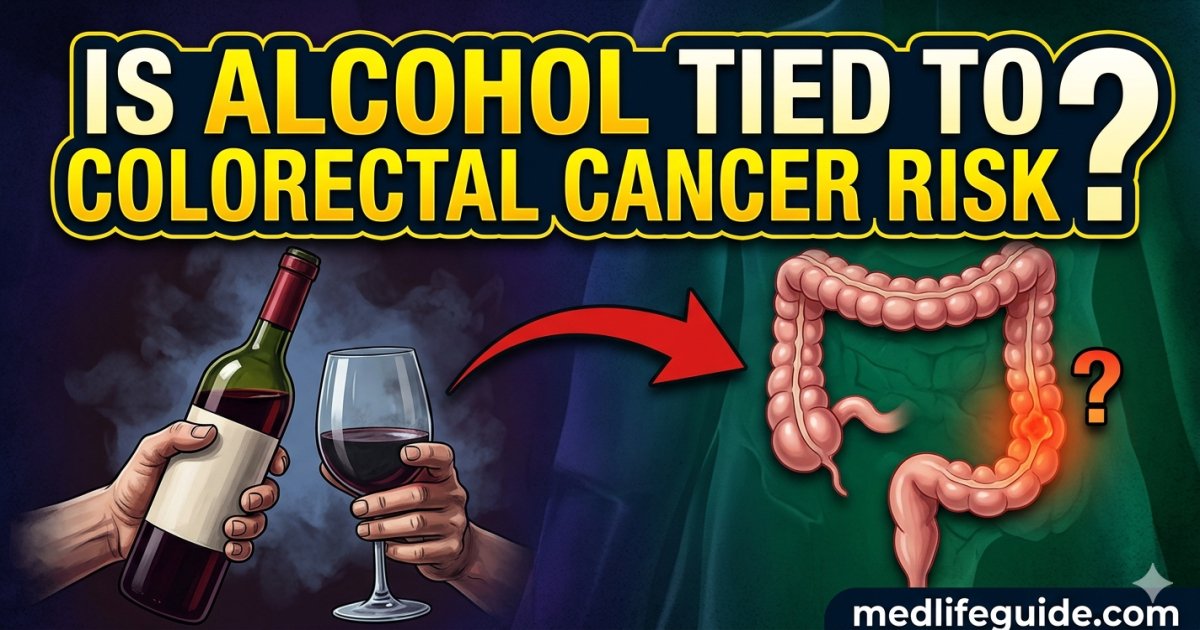
When we think about our health, we often look closely at what we eat and drink. For many years, doctors have known that things like a poor diet or a lack of exercise can impact our bodies. However, a major question that continues to spark discussion in medical settings is: Does alcohol intake tied to increased colorectal cancer risk?
Yes. Medical science has established a clear, direct connection between drinking alcohol and a higher chance of developing colorectal cancer. Colorectal cancer is a type of cancer that starts in the colon (the large intestine) or the rectum (the lower end of the large intestine).
As a medical professional, it is my job to break down this complex relationship. Understanding how alcohol acts in the body, recognizing the dangers of consistent drinking, and seeing how your daily choices can alter your internal health are essential steps in protecting your life.
What is Colorectal Cancer?
To understand how alcohol causes harm, we first need to look at what colorectal cancer actually is. Your colon and rectum form a long, muscular tube that helps process food and remove waste from your body. Like all parts of your body, this tube is lined with cells that grow, divide, and die in a controlled pattern.
Sometimes, this process breaks down. Cells can begin to grow out of control, forms tiny clumps called polyps. While many polyps are harmless (benign), some can slowly change into cancer over many years. When cancer forms in this area, it can disrupt how your digestive system works and can spread to other vital organs if it is not caught early.
The Direct Link: Alcohol and the Colon
Many people believe that alcohol only hurts the liver. While liver damage is a major concern, alcohol moves through your entire digestive tract, meaning your colon and rectum get direct exposure to its harmful properties.
When you drink beer, wine, or hard liquor, your body works hard to break it down. The main ingredient in these drinks is ethanol. Ethanol itself is tough on tissues, but the real trouble begins when your body starts to process it.
The Toxic Middleman: Acetaldehyde
As your liver and gut microbes break down ethanol, they turn it into a chemical called acetaldehyde. This chemical is highly toxic. It behaves like a wrench thrown into a delicate machine. Acetaldehyde directly damages the DNA inside your colon cells.
Your DNA is like an instruction manual for your cells, telling them how to grow safely. When acetaldehyde rips or alters this manual, the cells can get confused and start dividing rapidly out of control. This uncontrolled growth is the exact definition of cancer.
Cellular Exhaustion and Inflammation
Regularly drinking alcohol also creates a state of oxidative stress. This means your cells are flooded with unstable molecules that break down healthy tissues. Combined with chronic inflammation (long-term swelling and irritation in the gut lining), your colon is left vulnerable, making it much easier for cancer cells to take root and spread.
Unique Clinical Takeaways
When discussing colorectal cancer risks with patients, most standard brochures focus solely on basic lists of symptoms like stomach pain or changes in bowel habits. However, from a clinical perspective, there are deep, critical nuances to consider regarding how alcohol changes your risk landscape.
Here are three vital takeaways that look beyond the basics:
1. The “Dual-Hit” of Alcohol and Folate Depletion
Alcohol acts as a thief in your digestive tract by blocking the absorption of essential nutrients, particularly a B-vitamin called folate (folic acid). Folate is absolutely mandatory for accurate DNA replication and cell repair.
When a patient drinks heavily, they suffer a “dual-hit”: the alcohol damages their DNA, while simultaneously stripping away the folate needed to repair that very same damage. Clinically, individuals with low folate levels who also consume alcohol show a significantly accelerated risk of developing precancerous polyps.
2. Anatomical Subsite Sensitivity
Not all areas of the large intestine react to alcohol in the exact same way. Large clinical cohort studies have revealed that heavy alcohol intake has a much stronger correlation with rectal and left-sided (distal) colon tumors than right-sided tumors.
This suggests that as alcohol and its waste products pool and sit in the lower end of the digestive tract before elimination, the local tissue faces longer, more concentrated exposure to carcinogens. This distinction changes how we approach screening and visual diagnostic evaluations in regular drinkers.
3. The Impact on Your Gut Microbiome
Your colon is home to trillions of tiny, beneficial bacteria known as your gut microbiome. These bacteria help digest food and protect your intestinal walls. Alcohol acts like a toxic wave that alters this delicate ecosystem, killing off good bacteria and allowing harmful, pro-inflammatory bacteria to multiply.
These bad bacteria can actually produce their own acetaldehyde out of the alcohol you drink, further multiplying the chemical attack on your colon’s lining.
How Much Alcohol Changes the Risk?
A common point of confusion among patients is the amount of alcohol required to elevate risk. Is a single drink at dinner dangerous, or does the threat only apply to severe alcoholism?
Heavy Drinking vs. Moderate Drinking
Medical data shows that risk rises alongside the volume of alcohol consumed. The Centers for Disease Control and Prevention (CDC) notes that heavy drinking—defined generally as 14 or more drinks per week for men, and 7 or more drinks per week for women—profoundly elevates colorectal cancer risk. In fact, consistent heavy drinking throughout adulthood can raise your risk of colorectal cancer by up to 91% compared to light or non-drinkers.
However, even moderate drinking carries a measurable risk. There is no truly “safe” threshold where the risk is zero. Every additional 10 grams of pure alcohol consumed daily (which is roughly less than one standard beer or glass of wine) bumps your colorectal cancer risk up by roughly 7% to 8%.
| Drink Type | Standard Serving Size | Pure Alcohol Content |
| Regular Beer | 12 ounces | ~14 grams |
| Table Wine | 5 ounces | ~14 grams |
| Distilled Spirits (Liquor) | 1.5 ounces | ~14 grams |
Screening and Reversing the Risk
The absolute best tool we have against colorectal cancer is early detection through proper medical screening. Because polyps take years to grow, identifying them early means a doctor can physically remove them before they ever have the chance to transform into cancer.
When to Get Screened
For the general public, standard medical guidelines recommend that adults begin regular colorectal cancer screenings at age 45. If you have a personal or family history of colon polyps, colorectal cancer, or a long lifetime history of heavy alcohol use, you must speak directly with your doctor. You may need to start your screenings much earlier.
The Good News: Quitting Works
If you have a history of moderate or heavy drinking, it is easy to feel discouraged. However, recent large-scale clinical trials have offered incredible hope: the damage can be halted.
When individuals quit drinking alcohol, their absolute risk of developing precancerous adenomas drops significantly over time. Eventually, the internal colon environment can heal, and the risk profile of a former drinker can return down toward that of a lifelong light drinker or non-drinker.
Practical Steps for Better Colon Health
Protecting your body involves a whole-health approach. If you want to protect your colon and lower your overall cancer risk, consider making these highly effective daily adjustments:
- Reduce or Eliminate Alcohol: The most direct way to lower your risk is to drink less. Try swapping out alcoholic beverages for sparkling water, herbal teas, or non-alcoholic alternatives during social gatherings.
- Eat a High-Fiber Diet: Fiber acts like a natural broom for your digestive system. It keeps things moving through your colon quickly, which limits the amount of time any harmful toxins spend touching your intestinal walls. Fill your plate with whole grains, beans, vegetables, and fresh fruits.
- Stay Physically Active: Regular exercise helps lower inflammation throughout the body and improves digestion. Aim for at least 150 minutes of moderate movement, like brisk walking, every single week.
- Avoid Tobacco: Smoking introduces a massive wave of carcinogens into your bloodstream. When combined with alcohol, the risk of developing cancers across your entire digestive system skyrockets.
References and Citations
The medical facts presented in this article are fully backed by these leading peer-reviewed journals and major federal healthcare agencies:
- Centers for Disease Control and Prevention (CDC): Alcohol and Cancer Risk Guidelines
- National Cancer Institute (NCI) / Wiley CANCER Journal: Prostate, Lung, Colorectal, and Ovarian (PLCO) Cancer Screening Trial Outcomes on Lifetime Alcohol Intake
- U.S. Department of Health and Human Services (HHS): Comprehensive Alcohol and Cancer Risk Advisory Report
- PubMed Central (PMC) Medical Literature: Colorectal Cancer and Alcohol Consumption—Populations to Molecules Analysis
- Oxford Academic / American Journal of Epidemiology: Multiethnic Cohort Study on Daily Ethanol Intakes and Colorectal Cancer Subsite Sensitivity
Standard Medical Disclaimer: The information provided in this article is strictly for educational and informational purposes only. It does not constitute professional medical advice, diagnosis, or treatment. Always seek the direct guidance of your physician or other qualified healthcare provider with any questions or concerns you may have regarding a medical condition or changes to your diet and lifestyle.
Explore Complete Category About Colon Cancer in Detail And Visit Our Website MEDLIFEGUIDE