
Cancer is the uncontrolled growth of abnormal cells that can invade tissues and spread to other parts of the body.
Cancer
Colorectal Cancer Screening: What You Need to Know
Medically Reviewed and Compiled by Dr. Adam N. Khan, MD. Colorectal cancer screening saves lives. It detects early-stage colorectal cancer and identifies precancerous polyps before they turn into cancer. In the United States, colorectal cancer remains one of the leading causes of cancer-related death, yet it is highly preventable through proper screening. This guide explains … Read more
Colorectal Cancer Symptoms You Should Never Ignore
Colorectal cancer is cancer that starts in the colon or rectum. These organs are part of the large intestine and play a key role in digestion and waste removal. Colorectal cancer often develops slowly, starting as small growths called polyps. Over time, some polyps can turn into cancer. Understanding colorectal cancer symptoms is critical because … Read more
Is Pancreatic Cancer Hereditary? What You Should Know
Medically Reviewed and Compiled by Dr. Adam N. Khan, MD. Quick Summary Pancreatic cancer can run in families, but it is not always inherited. About 10 to 20 percent of cases are linked to gene mutations passed from parents. Knowing your family history and getting the right genetic testing can help you understand your risk … Read more
How to Prevent Pancreatic Cancer: Your Daily Action Plan
Medically Reviewed and Compiled by Dr. Adam N. Khan, MD. To prevent pancreatic cancer, you should quit smoking immediately, maintain a healthy body weight through consistent exercise, and limit your intake of processed meats and alcohol. While genetics play a role, managing your blood sugar levels and eating a plant-heavy diet are the most effective … Read more
Why Pancreatic Cancer Is So Deadly: A Clear Guide
Medically Reviewed and Compiled by Dr. Adam N. Khan, MD. Pancreatic cancer is so deadly because it is a “silent” disease that usually has no symptoms until it has already spread to other organs. Its deep location in the body makes it hard to find during routine exams, and the tumors create a thick “shield” … Read more
Can Pancreatic Cancer Be Cured? 2026 Guide to Hope and Care
Medically Reviewed and Compiled by Dr. Adam N. Khan, MD. The quick answer is yes, pancreatic cancer can be cured if it is caught very early and removed completely by a surgeon. However, because it is often found late, many cases are managed as a long-term illness rather than a condition that can be fully … Read more
What Causes Pancreatic Cancer: Clear Medical Guide

Medically Reviewed and Compiled by Dr. Adam N. Khan, MD. Pancreatic cancer grows quietly. Most people do not feel early symptoms, which is why understanding the root causes and risk drivers is so important. This guide breaks down what science knows, what it strongly suggests, and how doctors interpret risk in real clinical settings. What … Read more
Pancreatic Cancer Symptoms You Should Not Ignore

Medically Reviewed and Compiled by Dr. Adam N. Khan, MD. The most common symptoms of pancreatic cancer include yellowing of the skin (jaundice), constant pain in the upper belly or middle back, and losing weight without trying. If you notice these signs along with changes in your stool or a sudden onset of diabetes, you … Read more
What Really Causes Lung Cancer? A Deep Dive into the Hidden Triggers
Medically Reviewed and Compiled by Dr. Adam N. Khan, MD. Quick Answer: What Causes Lung Cancer? The primary cause of lung cancer is cigarette smoking, which is responsible for approximately 80% to 90% of all cases. When you inhale tobacco smoke, you are breathing in over 7,000 chemicals, at least 70 of which are known carcinogens that damage the DNA in … Read more
Myeloma Cancer Symptoms Explained Clearly
Myeloma cancer symptoms develop from a blood cancer called multiple myeloma, which affects plasma cells in the bone marrow. Plasma cells normally help fight infections. In myeloma, these cells grow out of control and interfere with normal blood cell production, bone health, kidney function, and immune defense. Symptoms often begin slowly and may be mistaken … Read more
Bladder Cancer Symptoms You Should Never Ignore
Bladder cancer symptoms often begin subtly and are frequently mistaken for common urinary problems. Early recognition is critical because outcomes are significantly better when bladder cancer is diagnosed at an early stage. This article provides a comprehensive, clinically accurate, and patient-centered overview of bladder cancer symptoms, including early signs, advanced manifestations, and less obvious indicators … Read more
What Are the 7 Symptoms of Cancer You Should Know
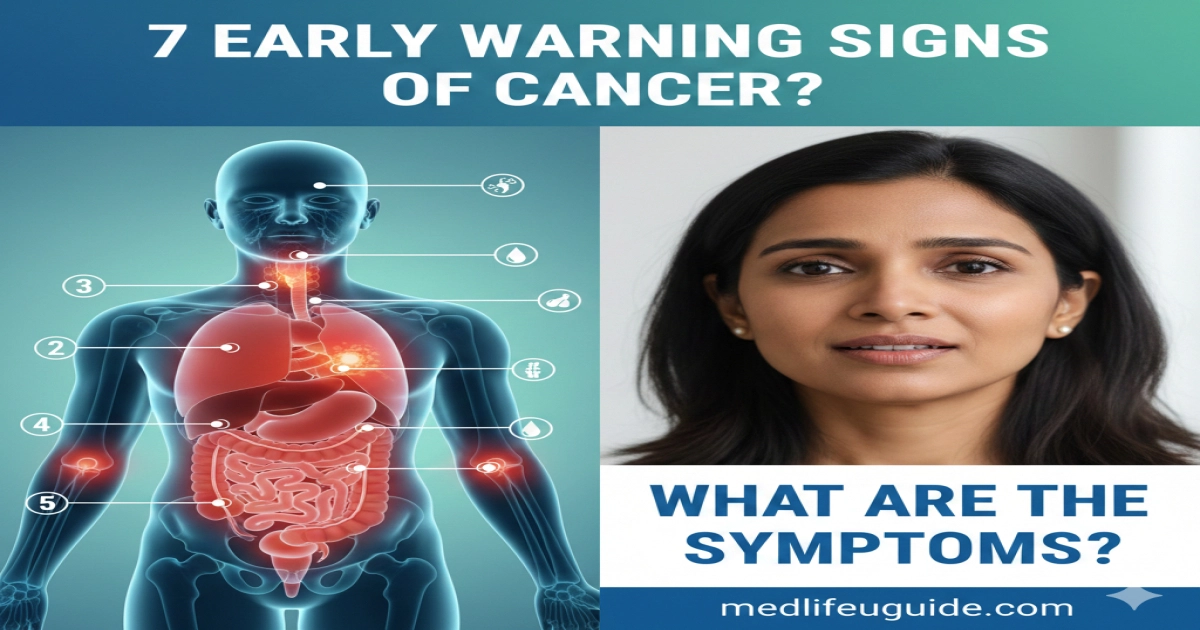
Cancer is not a single disease but a group of more than 100 conditions that share one defining feature: uncontrolled growth of abnormal cells. While symptoms vary by cancer type, location, and stage, medical organizations commonly group early warning signs into seven core symptom categories. Recognizing these symptoms early can significantly improve outcomes by prompting … Read more
What Level of Eosinophils Indicate Cancer
Short Answer There is no specific eosinophil count that definitively indicates cancer. However, research shows that an absolute eosinophil count (AEC) above approximately 500 cells/µL is considered elevated (eosinophilia), and counts above 1,500 cells/µL (hypereosinophilia) warrant more urgent evaluation. Cancer may be considered when eosinophilia is significant, unexplained by other causes (allergies, parasites, medications), persistent, … Read more
Colorectal Cancer Risk: The Role of Alcohol Consumption
Alcohol consumption is a proven, dose-dependent risk factor for colorectal cancer. Even moderate drinking increases colorectal cancer risk through inflammation, DNA damage, and gut microbiome disruption. Reducing alcohol intake lowers long-term risk. Introduction: Why Colorectal Cancer Risk Matters Colorectal cancer is one of the most commonly diagnosed cancers worldwide and a leading cause of cancer-related … Read more
Bowel Cancer Screening: Early Detection Saves Lives
Bowel cancer screening looks for early signs of colorectal cancer before symptoms appear. Screening can prevent cancer by finding and removing precancerous polyps. Multiple test options exist, and the right choice depends on age, risk factors, and access to care. What Is Bowel Cancer Screening? Bowel cancer screening, also called colorectal cancer screening, refers to … Read more