Low Sodium Diet for Kidney Disease and CKD

7 Low-Sodium Snacks for CKD

Quick Answer Low Sodium Snacks for CKD are foods that contain minimal salt (usually under 140 mg sodium per serving) and support kidney health by reducing fluid retention, high blood pressure, and heart strain. Low Sodium Snacks for CKD Chronic Kidney Disease (CKD) affects how well your kidneys remove waste and extra fluid from your … Read more

Kidney Low Potassium Diet: What to Eat Safely

Low Potassium Menu Plan for Kidney Health

Medically Reviewed and Compiled by Dr. Adam N. Khan, MD. A kidney low potassium diet helps people with kidney disease control potassium levels in the blood. When kidneys do not work well, they cannot remove extra potassium. High potassium can affect the heart and may become dangerous. This guide explains what to eat, what to … Read more

Kidney-Friendly Frozen Treats for Renal Diets

Frozen Treats for Chronic Kidney Disease Patient

Medically Reviewed and Compiled by Dr. Adam N. Khan, MD. Quick Summary Kidney-Friendly Frozen Treats are cold desserts made with low potassium, low phosphorus, and controlled sugar ingredients. People with chronic kidney disease (CKD) must limit certain minerals and fluids. The right frozen treat can cool you down without harming kidney health. What Are Kidney-Friendly … Read more

Super Flu Virus Symptoms: What to Watch For

Super Flu Virus Symptoms

Medically Reviewed and Compiled by Dr. Adam N. Khan, MD. Quick Summary Super Flu Virus Symptoms can appear suddenly and feel more intense than a common cold. They often include high fever, body aches, severe fatigue, cough, chills, and breathing problems. Some people develop serious complications like pneumonia. Early recognition, rest, fluids, and timely medical … Read more

New Influenza Vaccine Side Effects Explained

New Influenza Vaccine Side Effects by medlifeguide

Medically Reviewed and Compiled by Dr. [Adam N. Khan], MD. Quick Summary New influenza vaccine side effects are usually mild and short-lasting. Most people have arm soreness, low fever, or fatigue for 1–3 days. Serious reactions are rare. National health agencies continue to monitor vaccine safety each flu season. Understanding expected reactions and warning signs … Read more

Type A Flu: What You Need to Know to Stay Safe

Type A Flu Explained by medlifeguide

Quick Summary Type A Flu is a contagious viral infection caused by influenza A viruses. It spreads through coughs, sneezes, and close contact. Symptoms often include fever, cough, sore throat, body aches, and fatigue. Some people recover in a few days. Others, especially high-risk groups, may develop serious complications such as pneumonia. Early treatment and … Read more

What Is Prostate Cancer? Clear Guide for Men

What Is Prostate Cancer

Medically Reviewed and Compiled by Dr. Adam N. Khan, MD. Introduction What is prostate cancer? Prostate cancer is a disease that starts in the prostate gland. The prostate is a small gland in men, about the size of a walnut. It sits below the bladder and in front of the rectum. Its main job is … Read more

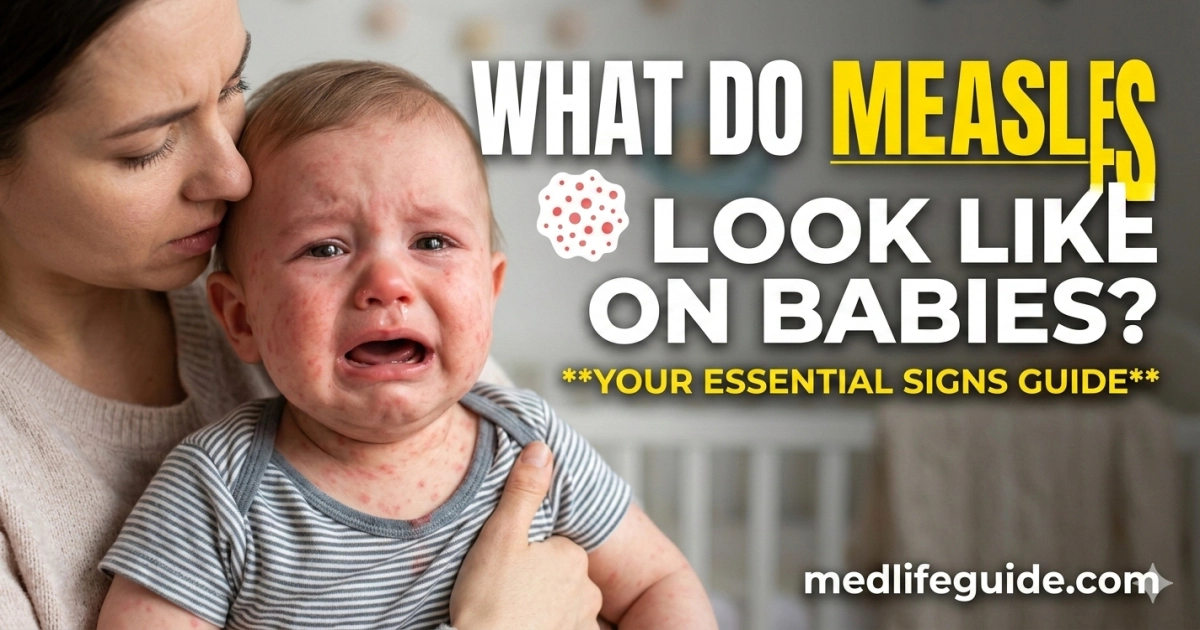
What Happens If You Get Measles?

What Happens If You Get Measles

If you get measles, you go through a predictable sequence: The outcome ranges from full recovery with rest and fluids to life‑threatening disease, especially in young children, pregnant women, and people with weak immune systems.[CDC, WHO, Mayo Clinic] 1. What Happens in Your Body After Measles Exposure Infection and Incubation (Days 0–10+) You feel well … Read more

Influenza Symptoms Chart 2026 Explained Clearly

Influenza Symptoms Chart 2026

Medically Reviewed and Compiled by Dr. Adam N. Khan, MD. Quick Summary The Influenza Symptoms Chart 2026 outlines early, moderate, and severe flu symptoms, high-risk warning signs, and when emergency care is required. Influenza is a contagious respiratory illness caused by influenza A and B viruses. According to the Centers for Disease Control and Prevention … Read more

Measles Symptoms 2026: Signs, Risks & Medical Guide

Measles Symptoms 2025

Measles Symptoms 2026 remain clinically consistent with classic measles presentation described for decades. The disease is caused by the measles virus (genus Morbillivirus) and remains one of the most contagious viral infections worldwide. According to the Centers for Disease Control and Prevention (CDC), measles spreads through respiratory droplets and airborne transmission, and up to 90% … Read more