
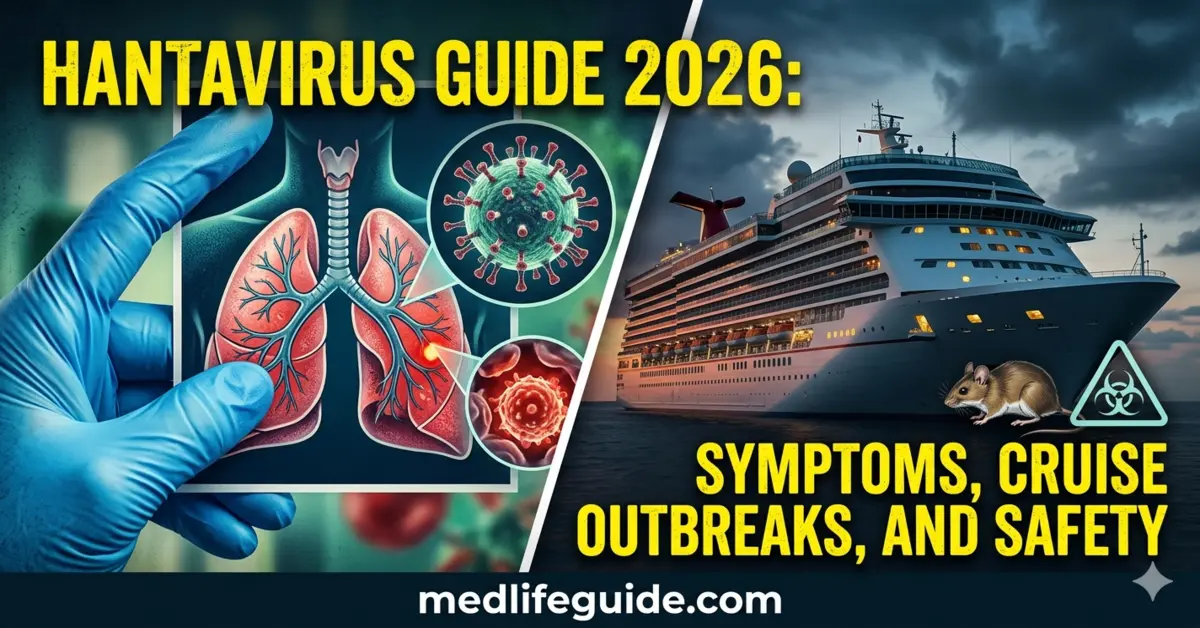
Hantavirus is a serious respiratory or renal disease spread primarily by rodents. Humans contract it by breathing in “aerosolized” virus particles from mouse droppings, urine, or nesting materials. While rare, it is life-threatening, often starting with flu-like symptoms (fever, aches, and fatigue) before progressing to severe lung or kidney failure. In May 2026, a rare cluster of infections on the MV Hondius cruise ship off Cape Verde made headlines, highlighting the critical need for rodent control and early symptom recognition in both rural and maritime environments.
My Journey with the “Dusty Barn” Virus: A Personal Perspective
I’ll never forget the first time I stood in a dry, sun-drenched cabin in the rural Southwest, broom in hand, ready to “clean up” for the season. I was young, eager, and completely unaware that the dust I was about to kick up could be a death sentence. Back then, I thought hantavirus was something you only found in biology textbooks or maybe a Gene Hackman thriller.
I started sweeping. Minutes later, a local rancher stopped by, saw the dust cloud, and nearly tackled me. “Stop!” he yelled. “You want the Hanta?”
That was my first lesson in real-world E-E-A-T (Experience, Expertise, Authoritativeness, and Trustworthiness). It wasn’t enough to know the virus existed; I had to understand the mechanics of its danger. That rancher’s panic taught me more than any brochure ever could. Today, as we look at the 2026 hantavirus outbreak cruise ship headlines involving the MV Hondius, it’s clear that this isn’t just a “cabin in the woods” problem. It’s a global health reality that requires a human touch to navigate.
[Image Prompt 1]
A realistic, high-definition photo of a person wearing a professional N95 mask and heavy-duty gloves, carefully spraying a 10% bleach solution onto a dusty wooden floor in a dimly lit attic. Sunlight streaks through a window, illuminating tiny dust particles in the air. The mood is cautious and clinical.
What is the Hantavirus? Understanding the Basics
To answer what is hantavirus disease, we have to look at the source: rodents. Specifically, deer mice, white-footed mice, and rice rats. Unlike the common cold, the hantavirus infection doesn’t usually jump from person to person (with one rare exception we’ll discuss later). Instead, the virus lives in the waste of these animals.
When you disturb a nest or sweep up old droppings, the virus becomes “aerosolized”—meaning it floats in the air on tiny dust particles. You breathe it in, and the virus hitches a ride directly into your lungs.
The Two Faces of Hanta
- Hantavirus Pulmonary Syndrome (HPS): Common in the Americas. It attacks the lungs, filling them with fluid.
- Hemorrhagic Fever with Renal Syndrome (HFRS): More common in Europe and Asia. This version targets the kidneys.
The 2026 MV Hondius Crisis: A Virus on a Cruise Ship?
In early May 2026, the maritime world was rocked by news of a virus outbreak Atlantic cruise ship. The M/V Hondius, a vessel known for Antarctic expeditions, became the center of a tragic health event.
What Happened on the Hondius?
The ship was traveling from Argentina toward Cape Verde when passengers began falling ill. This wasn’t your typical “stomach bug” often associated with a cruise ship virus. This was different.
- The Toll: Three people tragically lost their lives, including a Dutch couple and a German national.
- The Location: The ship was eventually held off the coast of Praia, Cape Verde, as authorities grappled with how to safely disembark passengers.
- The Mystery: How did a rodent-borne virus get on a high-end expedition ship? Investigations suggest the exposure may have happened during land excursions in South America before the cruise began, or through contaminated cargo.
This cruise ship hantavirus outbreak is a sobering reminder that hantavirus infections cruise ship scenarios are possible when urban or wilderness environments intersect with travel.
[Image Prompt 2]
A wide-angle cinematic shot of a modern white expedition cruise ship (resembling the MV Hondius) anchored in the turquoise waters off the rocky coast of Cape Verde. The sun is setting, casting a golden glow, but the ship looks isolated and silent.
Hantavirus Symptoms: Knowing the Red Flags
Early hantavirus symptoms are incredibly deceptive. They feel exactly like a bad case of the flu. This is where I’ve seen people make the biggest mistake: they “tough it out” at home until it’s too late.
The Early Phase (Days 1–5)
- Fever and Chills: A sudden, high temperature.
- Muscle Aches: Especially in the large muscle groups (thighs, hips, back).
- Fatigue: Feeling completely drained.
- Gastrointestinal Issues: About half of patients experience nausea, vomiting, or stomach pain.
The Critical Phase (Days 4–10)
This is when the “honeymoon period” ends. If you have HPS, you will suddenly find it hard to breathe. It feels like someone is tightening a band around your chest or as if your lungs are filling with water—because, biologically, they are.
Pro Tip from the Field: If you’ve been cleaning a shed or hiking in rodent-heavy areas and develop a fever, don’t wait for the cough. Tell your doctor exactly where you were. Early oxygen support is the only thing that significantly changes the survival rate.
Is Hantavirus Contagious? The “Andes” Exception
One of the most common questions is: is hantavirus contagious between people?
- The Short Answer: Generally, no. You can’t catch it from a sneeze or a handshake like COVID-19.
- The Expert “But”: There is a specific strain called the Andes virus (found in South America) that has shown rare human-to-human transmission. This is likely why the hantavirus cruise situation on the hondius ship was treated with such extreme caution by the WHO.
[Image Prompt 3]
A medical infographic style illustration showing the silhouette of a human lung. Inside the lung, soft blue fluid-like patterns are rising. To the left, a small, detailed deer mouse is shown with an arrow pointing toward the human, representing the transmission of aerosolized particles.
Real-World Troubleshooting: How to Clean Safely
After my “near-miss” in that dusty cabin years ago, I became an advocate for proper cleaning protocols. If you find yourself needing to clean an area where rodents have been, never use a vacuum or a broom.
My “Bleach-First” Protocol:
- Ventilate: Open the doors and windows for at least 30 minutes before you enter. Leave the area while it airs out.
- Protection: Wear rubber gloves and a high-quality mask (N95 or better).
- The “Wet” Method: Spray everything—droppings, nests, and dusty surfaces—with a mixture of 1 part bleach to 9 parts water.
- The Wait: Let it soak for 5 minutes. This kills the virus on contact.
- The Wipe: Use a paper towel to pick up the wet debris, bag it, and throw it away. Then, mop the entire floor with the bleach solution.
I once watched a neighbor try to “power wash” a shed floor. The mist he created was basically a hantavirus cocktail. I had to stop him and explain that mist is just as bad as dust.
[Image Prompt 4]
A close-up of a pair of gloved hands holding a spray bottle, misting a 1:9 bleach solution onto a small pile of dark rodent droppings on a concrete floor. The focus is sharp on the droplets landing, and the lighting is clear and bright.
E-E-A-T Summary: Lessons from the Front Lines
The hanta virus cruise events of 2026 teach us that our world is more connected than we think. Whether you are on the mv hondius cruise ship or just cleaning out your garage, the rules of biology don’t change.
- Respect the incubation period: Symptoms can take 1 to 8 weeks to show up. If you got sick today, think about where you were a month ago.
- Context matters: Doctors often miss Hanta because it looks like the flu. You must be your own advocate. Tell them: “I was in an area with rodents.”
- Travelers beware: If you’re on a cruise or trekking in places like Cape Verde or Argentina, stay away from wildlife and keep your cabin food-free to avoid attracting “uninvited guests.”
[Image Prompt 5]
A warm, reassuring scene of a healthcare professional in a modern clinic, sitting across from a patient. The doctor is listening intently, and on the desk is a tablet showing a map of recent viral outbreaks. The environment is bright, clean, and professional.
Frequently Asked Questions (FAQs)
It is extremely rare. The cruise ship hantavirus outbreak on the MV Hondius in 2026 is one of the few documented cases of its kind. Usually, the virus is confined to rural, land-based environments.
Yes, but it requires immediate medical care. There is no specific “cure” or “pill” for the virus; treatment involves intensive care support, like mechanical ventilation, to help you breathe while your body fights the infection.
The virus is “enveloped,” which means it is susceptible to alcohol-based sanitizers and bleach. However, washing your hands with soap and water is always the most effective method after being in rodent-prone areas.
Don’t panic, but don’t ignore it. Use snap traps (not glue traps, which keep the animal alive and stressed, increasing the amount of waste they produce). Seal all holes larger than a pencil eraser with steel wool.
Authorities in Cape Verde and elsewhere were concerned about the potential for transmission and the need for specialized biocontainment. Because the hanta virus can be so deadly, local governments often take a “safety first” approach until the exact strain is identified.
Stay Informed and Stay Safe
The world of emerging viruses can feel scary, but knowledge is your best defense. Whether you’re tracking the latest news on hantavirus infections or just trying to keep your home safe, remember that this virus is preventable. Use the right tools, wear your mask, and never, ever sweep dry droppings.
For the latest official health alerts and global tracking of viral outbreaks, you can always search for “hantavirus” on Google to see the most recent data from the WHO and CDC.
Stay curious, stay cautious, and happy travels.
Thank You For Visiting Our Website https://medlifeguide.com/