
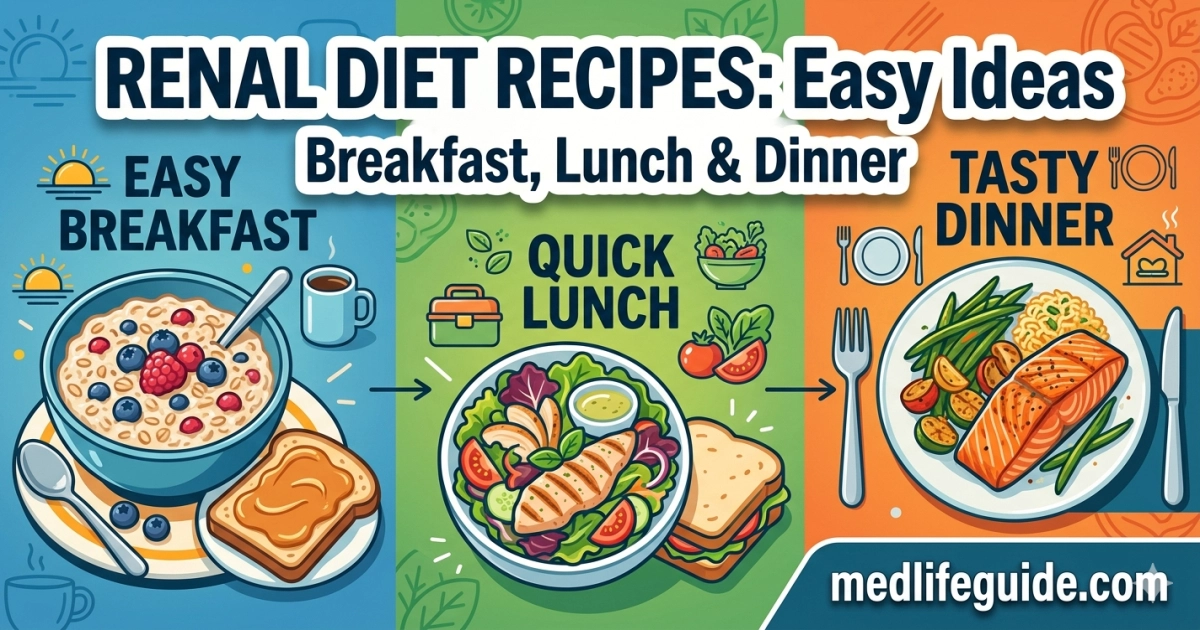
Quick Summary: How to Eat Well on a Renal Diet
Managing kidney health doesn’t mean eating bland, boring food. A proper renal diet focuses on reducing sodium, balancing potassium, and controlling phosphorus to protect your kidneys from working too hard. By substituting common ingredients with flavorful herbs, low-potassium vegetables, and healthy fats, you can enjoy delicious meals while protecting your renal function. Whether you need a quick breakfast, a light lunch, or a hearty dinner, keeping your kidneys healthy starts with simple, fresh choices made right in your kitchen.
Welcome to Your Renal Kitchen
When you or a loved one is diagnosed with chronic kidney disease (CKD), the first place panic sets in is usually the kitchen. You look in the pantry and suddenly feel like everything is an enemy. High sodium, hidden potassium, and processed phosphorus seem to lurk in every box and can.
But here is the truth from a clinical perspective: your diet is not a punishment. It is one of the most powerful medical tools you have to slow the progression of kidney damage. When we choose kidney-friendly ingredients, we actively reduce the workload on our nephrons—the tiny filtering units inside our kidneys.
This guide is designed to be your complete culinary roadmap. We will walk through everyday kitchen swaps, practical meal planning, and specific recipes to help you thrive.
Understanding Your Blueprint: Sodium, Potassium, and Phosphorus
Before we turn on the stove, we need to understand why certain ingredients require careful management.
1. The Salt Shake-Up (Sodium)
Healthy kidneys filter out extra sodium from your bloodstream. When kidney function declines, sodium builds up, holding onto fluid in your body. This raises your blood pressure and forces your heart and kidneys to work twice as hard. Our main clinical goal is to keep sodium under 2,000 milligrams per day.
2. The Balancing Act (Potassium)
Potassium keeps your muscles and nerves working properly. However, damaged kidneys cannot clear excess potassium, leading to a condition called hyperkalemia. High potassium levels can cause dangerous heart rhythms. We focus on choosing low-potassium options (less than 200 milligrams per serving) to keep your levels safe.
3. The Hidden Danger (Phosphorus)
Phosphorus keeps your bones strong, but high levels pull calcium out of your bones, making them weak and brittle. It also creates dangerous deposits in your blood vessels. Processed foods often contain chemical phosphorus additives, which are highly absorbable and should be avoided entirely.
Smart Kitchen Swaps for Kidney Health
Adjusting your cooking style is easier when you know how to swap out risky ingredients for safer, flavorful alternatives.
+———————————–+———————————–+
| Avoid This High-Risk Ingredient | Choose This Kidney-Safe Alternative |
+———————————–+———————————–+
| Table Salt / Garlic Salt | Lemon Juice, Garlic Powder, Fresh |
| | Herbs, Smoked Paprika |
+———————————–+———————————–+
| Commercial White/Whole Wheat Bread| Low-Sodium Sourdough, Homemade |
| | Low-Sodium White Bread |
+———————————–+———————————–+
| Standard Boxed Pancake Mix | Scratch-Made Batter Using Baking |
| (High Sodium & Phosphorus) | Powder Without Phosphorus |
+———————————–+———————————–+
| Canned Soups and Broths | Homemade Salt-Free Vegetable or |
| | Unsalted Chicken Bone Broth |
+———————————–+———————————–+
| Heavy Tomato Sauces | Roasted Red Pepper Sauce (No Salt |
| | Added) |
+———————————–+———————————–+
Breakfast: Starting Your Day with Low-Stress Energy
Breakfast can be a challenge on a renal diet because classic options like bacon, sausage, and packaged pastries are loaded with sodium and phosphorus additives. Moving away from processed breakfast foods makes a significant difference in your daily lab values.
For a comprehensive collection of kidney-friendly morning meals, you can explore our complete list of renal diet recipes for breakfast.
Featured Recipe: Scratch-Made Low-Sodium Pancakes
Many commercial pancake mixes rely on sodium-heavy preservatives and phosphorus-based leavening agents to stay shelf-stable. Making your own batter from scratch eliminates these hidden additives while keeping the texture light and fluffy.
- The Blueprint: Use dynamic flavors like vanilla extract, fresh wild blueberries, and a touch of pure maple syrup instead of relying on salt for taste.
- Clinical Value: Traditional pancakes can contain over 400mg of sodium per serving. This scratch-made alternative keeps sodium down to a safe 45mg.
For step-by-step cooking instructions and additional variations, check out our full guide on making low-sodium pancakes.
Low-Sodium Pancake Nutritional Profile (Per Serving):
Calories: 180 | Total Sodium: 45mg | Potassium: 90mg | Phosphorus: 60mg
Lunch: Quick, Nutrient-Dense Midday Meals
A good renal lunch should protect your energy levels without introducing hidden sodium. Fast food, deli meats, and pre-packaged sandwiches are often loaded with salt to extend their shelf life, which can quickly exhaust your daily sodium allowance by noon.
Focus on packing your meals with fresh, low-potassium vegetables like cucumbers, bell peppers, and cabbage, paired with lean, high-quality proteins.
Navigating the Bread Aisle
Bread is a hidden source of sodium in the modern diet. Just two slices of standard commercial white or wheat bread can contain up to 400mg of sodium before you even add any fillings.
When preparing sandwiches or toast, it is essential to look for low-sodium sprouted grains, specific traditional sourdoughs, or specialized bakery loaves that omit added salt. To discover the best commercial and homemade choices for your kitchen, read our detailed breakdown of low-sodium bread options.
Streamlining Your Midday Routine
Preparing kidney-safe meals does not have to take hours out of your busy day. Preparing fresh ingredients ahead of time helps you assemble balanced lunches in ten minutes or less.
To find fast, flavorful options like crisp apple-chicken wraps or refreshing low-potassium summer pasta salads, explore our collection of 10 quick renal diet recipes for lunch.
Dinner: Hearty, Comforter Meals to End the Day
Dinner is an excellent opportunity to focus on high-quality, kidney-safe proteins and warm, comforting textures. The key is controlling your portions of high-phosphorus foods like dairy and beef, while filling your plate with antioxidant-rich fruits and vegetables.
For a full collection of evening meal plans, visit our complete directory of renal diet recipes for dinner.
Featured Recipe: Garlic-Herb Crusted Chicken with Zucchini Noodles
- The Strategy: Skinless chicken breast provides high-quality protein to support muscle health without overloading your body with waste products. Coating the chicken in fresh rosemary, thyme, garlic powder, and olive oil creates a rich flavor profile without using salt.
- The Side Dish: Instead of high-potassium potatoes, use spiralized zucchini noodles tossed in a small amount of olive oil and fresh lemon juice. Zucchini is naturally low in potassium and adds a light, refreshing crunch to your plate.
Mastering Your Overall Renal Meal Plan
To truly minimize kidney stress, focus on building a sustainable lifestyle rather than following temporary restrictions. Incorporating a broad variety of fresh ingredients ensures you get plenty of nutrition without getting tired of your food choices.
For a versatile framework that combines these concepts into an easy-to-follow guide, read through our master list of kidney-friendly recipes.
Important Clinical Takeaways
- Read Labels Carefully: Always check the ingredient list for words containing “PHOS” (such as monocalcium phosphate or sodium tripolyphosphate). If you see these additives, leave the item on the shelf.
- Leach Your Vegetables: If you want to use medium-to-high potassium vegetables like potatoes or carrots, chop them small and soak them in warm water for at least two hours before cooking to reduce their potassium content.
- Stay Adequately Hydrated: Unless you are on a strict fluid restriction due to advanced stage 4 or 5 kidney failure, drinking enough clean water helps your kidneys clear out waste products more efficiently.
Frequently Asked Questions
No. Most commercial salt substitutes replace sodium with potassium chloride. Consuming these can rapidly raise your blood potassium to dangerous levels. Stick to fresh herbs, spices, garlic powder, and citrus juices for flavor.
Yes. Black pepper, cayenne pepper, smoked paprika, cumin, and dried herbs are completely safe for your kidneys and provide excellent flavor without adding sodium.
Most supermarkets inject rotisserie chickens with a heavy sodium and phosphorus brine to keep them juicy under the heating lamps. It is always safer to roast your own fresh chicken at home using olive oil and unsalted herbs.
In corporate acid and aromatics into your cooking. A squeeze of fresh lemon or lime juice, a splash of apple cider vinegar, fresh minced garlic, or toasted onion powder can make a dish taste vibrant without any added salt.
References & Citations
- National Kidney Foundation (NKF): Dietary Guidelines for Chronic Kidney Disease Management (2024).
- KDIGO Clinical Practice Guideline: Diabetes and Nutrition Management in Chronic Kidney Disease (2023).
- American Journal of Kidney Diseases: Analysis of hidden phosphorus additives in processed consumer foods.
Medical Disclaimer
The information provided in this article is intended strictly for educational and informational purposes. It does not constitute formal medical advice, diagnosis, or treatment. Dietary needs vary significantly based on your specific lab results, stage of chronic kidney disease, and individual medical history. Always consult your primary care physician, nephrologist, or a registered renal dietitian before making any major changes to your diet or fluid intake.
Author Bio
Dr. Adam N. Khan, MD Dr. Adam N. Khan is a board-certified internal medicine physician specializing in renal health preservation, metabolic nutrition, and chronic disease management. With over twelve years of clinical practice, Dr. Khan focuses on empowering patients to protect their kidney function through practical lifestyle modifications, evidence-based nutrition, and personalized preventative care.
What Causes Kidney Stones? Prevention, Myths & Medical Facts
Acute Kidney Injury Guide: Causes, Stages, and Recovery
Natural Supplements for Kidney Health: The Complete Guide
Kidney Stone Size and Treatment Guide: Chart, Sizes & Surgery
Chronic Kidney Disease Stages Explained: Complete Guide
Are Your Kidneys Struggling? Early Warning Signs You Can’t Ignore
The Complete Renal Diet Guide: Meal Plans and Food Lists for CKD
What Causes Kidney Stones? Prevention, Myths & Medical Facts