
Medically Reviewed and Compiled by Dr. Adam N. Khan, MD.
Key Takeaways:
- A diet packed with whole foods, citrus fruits, leafy greens, and fermented foods supports immune cell function during flu season.
- Gut health plays a major role in immunity because about 70 percent of your immune system resides in the gastrointestinal tract.
- Proper nutrition complements—but does not replace—annual flu vaccination and basic hygiene practices like frequent handwashing.
EMERGENCY WARNING: Seek immediate medical attention if you or a family member experience severe shortness of breath, continuous chest pressure or pain, sudden confusion, bluish lips or face, or a fever that drops and then returns with a worsening cough. These are signs of potentially life-threatening viral complications.
Understanding Nutrition and Seasonal Immunity
As winter approaches, cold temperatures keep people indoors, creating an environment where seasonal viruses spread easily. Your body relies on a complex defense mechanism made up of physical barriers, specialized white blood cells, and chemical messengers. Nutrition plays a foundational role in maintaining these defenses.
When you consume key micronutrients, your body uses them to construct immune cells, produce antibodies, and protect healthy tissue from oxidative stress. While no single ingredient acts as a quick fix, eating a diverse range of immune boosting foods during flu season equips your system to respond effectively when exposed to circulating pathogens.
Essential Micronutrients for Defense
Vitamin C: The Antioxidant Workhorse
Vitamin C supports cellular function within both the innate and adaptive immune systems. It acts as a powerful antioxidant, neutralizing harmful free radicals generated during immune responses. Excellent dietary sources include oranges, grapefruits, bell peppers, strawberries, and broccoli. Regular intake helps maintain skin and mucosal barriers to keep viruses out.
Zinc: The Immune Cell Regulator
Zinc is an essential mineral required for immune cell development and communication. A mild zinc deficiency can impair immune response, making it harder for the body to fight off respiratory viruses. You can find zinc in oysters, lean beef, pumpkin seeds, lentils, and chickpeas.
Vitamin D: The Immune System Modulator
Vitamin D helps modulate inflammatory responses and boosts the pathogen-fighting effects of monocytes and macrophages. During fall and winter, reduced sunlight exposure often causes Vitamin D levels to dip. Incorporate fatty fish such as salmon, egg yolks, and fortified milk or juice into your weekly meal plan.
Top Immune Boosting Foods for Flu Season
Citrus Fruits and Berries
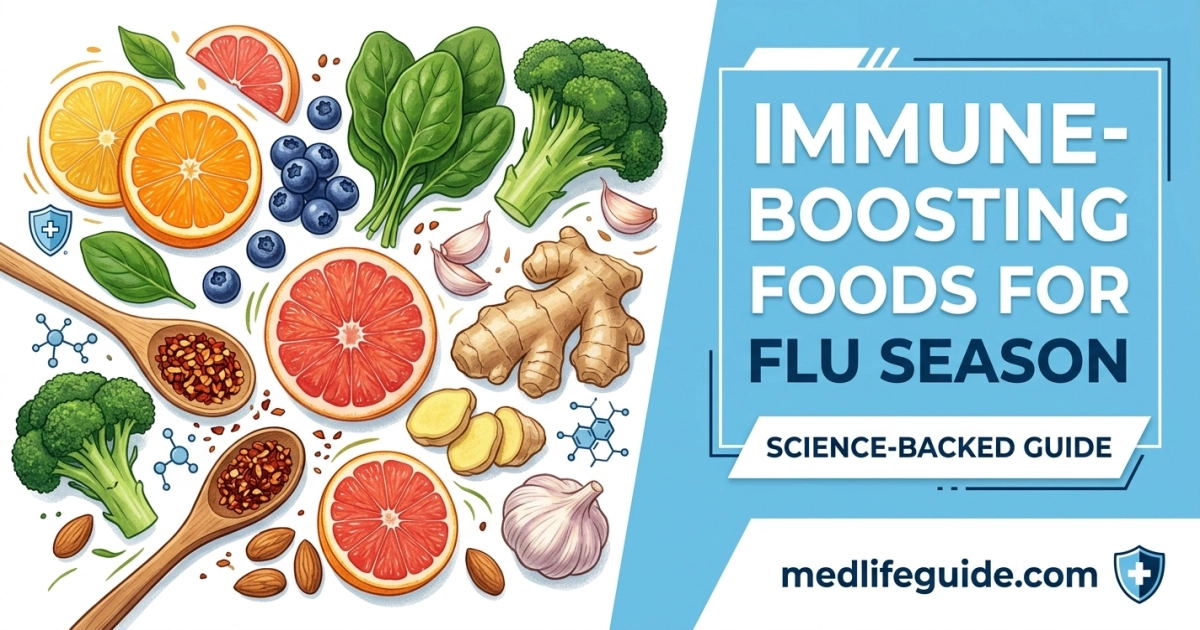
Citrus fruits like lemons, limes, oranges, and grapefruits are packed with Vitamin C and bioactive flavonoids. Berries—including blueberries, raspberries, and blackberries—provide anthocyanins, which give them their rich color and offer antioxidant protection to reduce inflammation.
Fermented Foods and Probiotics
Yogurt, kefir, sauerkraut, kimchi, and kombucha deliver beneficial live bacteria directly to your digestive tract. These probiotics help balance your gut microbiome, strengthening the intestinal barrier and encouraging optimal white blood cell activity.
Garlic, Ginger, and Turmeric
Garlic contains allicin, a sulfur compound known for its antimicrobial and immune-supporting properties. Ginger helps ease nausea and reduce systemic inflammation. Turmeric contains curcumin, a potent anti-inflammatory compound that works best when paired with a pinch of black pepper for enhanced absorption.
Leafy Greens and Cruciferous Vegetables
Spinach, kale, Swiss chard, broccoli, and Brussels sprouts provide essential vitamins A, C, and E, along with dietary fiber and folate. These nutrients help protect cells from damage and support the rapid multiplication of immune cells when your body faces an infection.
Unique Clinical Takeaways
Here are three practical, evidence-based insights to help you get the most out of your diet this flu season:
- Prioritize Food Synergy Over Single-Nutrient Megadoses: Taking massive doses of isolated supplements is rarely as effective as eating whole foods. The combination of fiber, bioflavonoids, and micronutrients in real food improves nutrient absorption and biological action far better than single-pill supplements.
- Support the Gut-Lung Axis with Prebiotic Fiber: The gut and lungs communicate through the immune system. Consuming prebiotic fiber from garlic, onions, oats, and legumes feeds beneficial gut bacteria, which produce short-chain fatty acids that help regulate immune responses in the respiratory tract.
- Avoid the High-Sugar Immunity Trap: High intake of refined sugars can temporarily suppress white blood cell efficiency and fuel systemic inflammation. To keep your natural defenses strong, replace sugary drinks and processed snacks with whole fruits, nuts, and warm herbal teas.
Meal Planning and Daily Habits
Building a strong immune system works best when you combine good nutrition with healthy daily habits:
- Hydration: Drink plenty of fluids like water, herbal teas, and clear broths to keep your mucous membranes moist, helping trap airborne pathogens before they take root.
- Quality Sleep: Aim for 7 to 9 hours of restorative sleep each night to allow your body to produce infection-fighting cytokines.
- Stress Management: Chronic stress elevates cortisol, which can dampen immune function over time. Incorporate light walking, deep breathing, or simple mindfulness practices into your daily schedule.
- Vaccination and Hygiene: Maintain regular handwashing habits and talk to your healthcare provider about an annual flu shot to ensure complete protection.
Frequently Asked Questions (FAQs)
No food can guarantee complete immunity against viral infections, but a nutrient-rich diet significantly strengthens your body’s natural defenses to help reduce illness severity and support a faster recovery.
It is generally best to get Vitamin C from whole foods like citrus fruits and bell peppers, as they provide additional bioflavonoids and fiber that enhance nutrient absorption.
About 70 percent of your immune system is housed in your gut, where healthy bacteria interact with immune cells to help manage inflammation and guard against harmful pathogens throughout the body.
Unless you have a known dairy allergy or lactose intolerance, moderate consumption of probiotic dairy like plain yogurt or kefir supports gut health and does not increase harmful mucus production.
While some cellular benefits begin within days of improving your diet, establishing a consistently healthy eating pattern over several weeks provides the strongest protection throughout the flu season.
Medical Reviewer Bio
Dr. Adam N. Khan, MD
Board-Certified Internal Medicine Specialist affiliated with MedLife Guide Clinical Advisory Board.
Conflict of Interest Disclosure: Dr. Khan reports no relevant financial relationships, commercial ties, or conflicts of interest regarding the products, foods, or dietary strategies discussed in this article.