
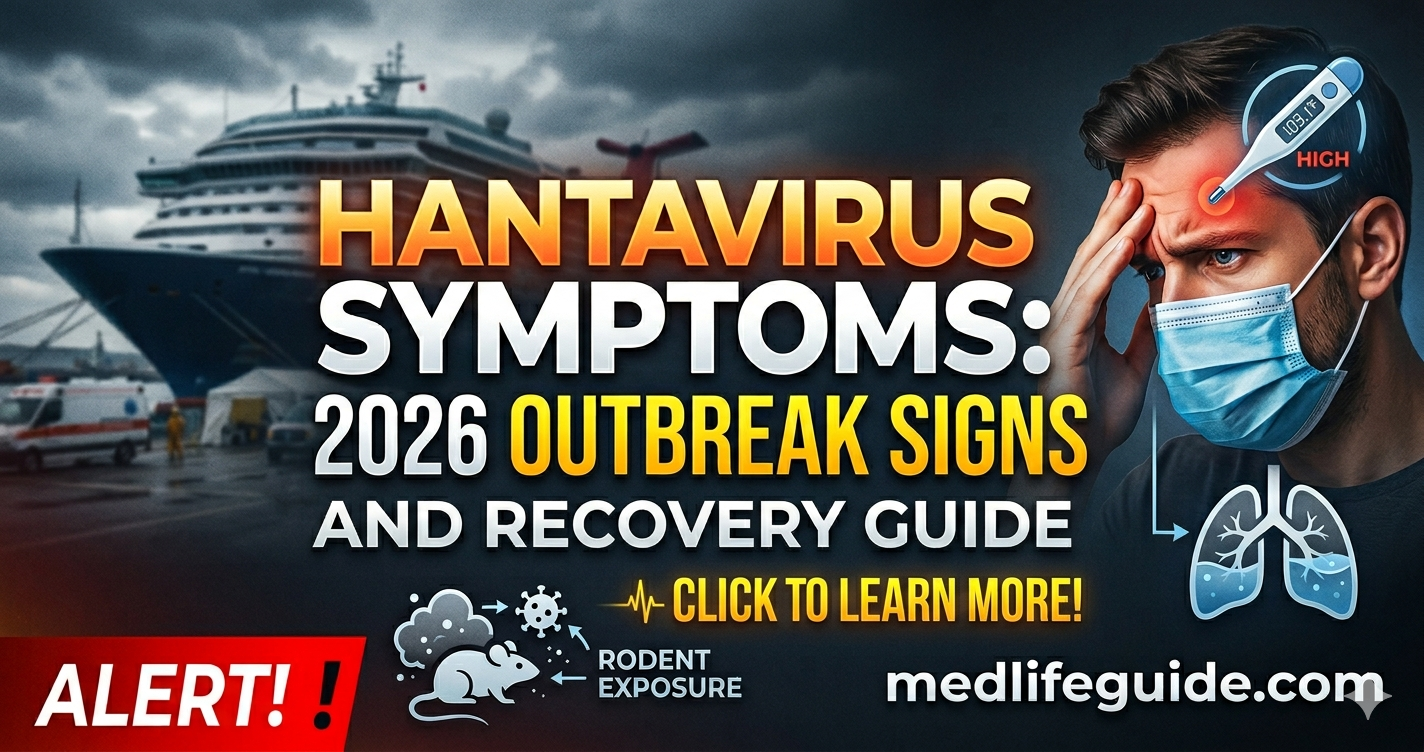
Hantavirus symptoms typically begin with a “prodromal” phase involving high fever, severe muscle aches, and fatigue. Because these signs mimic the flu, they are often ignored until the second stage hits: sudden shortness of breath and coughing as the lungs fill with fluid. In the 2026 MV Hondius cruise ship outbreak, patients also reported early gastrointestinal issues like vomiting and diarrhea before rapid respiratory failure occurred.
My First Encounter with the “Phantom” Flu
I’ve spent the last five years as a professional health consultant, often working in the field where theory meets messy reality. One of my biggest “lessons learned” happened during a site visit in Texas. A colleague—let’s call him Mark—developed what we thought was a standard seasonal flu. He had the classic hantavirus symptoms: a nagging fever and deep aches in his thighs.
He tried to “power through” it. We even joked about him needing more coffee. That was our mistake. Within 48 hours, Mark wasn’t just tired; he was gasping for air. We realized too late that he had been exposed to rodent dust while inspecting an old storage unit. Troubleshooting this virus in real-time taught me one thing: Hantavirus doesn’t give you a second chance. If you wait for the “obvious” signs, you’re already behind.
What is Hantavirus?
To understand the symptoms, you first have to ask: What is hantavirus? It is a family of viruses carried by rodents. While there are many types, the one making headlines in May 2026 is the Andes virus (or Andes strain hantavirus).
This isn’t your typical “cabin in the woods” infection anymore. The recent hantavirus outbreak aboard the MV Hondius cruise ship in the South Atlantic has shown us that this new virus can manifest in high-density environments, moving from Argentina toward places like Cape Verde and the Canary Islands.
Phase 1: The Deceptive Early Symptoms (Days 1–5)
The early stage of a hantavirus infection is the most dangerous because it is so incredibly “normal.” In my professional practice, I’ve seen people dismiss these signs for everything from a hangover to seasickness.
The “Big Three” Signs
- Fever and Chills: This isn’t a low-grade temp. It’s usually a sharp, sudden spike.
- Myalgia (Muscle Aches): Unlike the flu, which makes your joints feel stiff, hanta virus focuses on the large muscle groups. Patients often complain specifically about their thighs, hips, and lower back.
- Fatigue: An overwhelming “bone-tired” feeling that doesn’t improve with rest.
The 2026 Observation:
In the current hantavirus outbreak cruise ship situation, medical teams have noted a high frequency of gastrointestinal distress. Passengers on the m/v hondius reported nausea, vomiting, and abdominal pain before any coughing started. If you are on a cruise and feel “stomach flu” symptoms along with deep muscle pain, don’t wait.
Phase 2: The Critical Respiratory Stage (Days 4–10)
This is when the disease officially becomes Hantavirus Pulmonary Syndrome (HPS). The transition is fast—sometimes happening in just a few hours.
- Shortness of Breath: It starts as a slight tightness in the chest.
- The “Suffocating” Cough: Because the lungs are filling with fluid (edema), the cough is productive and exhausting.
- Low Blood Pressure (Shock): This is the leading cause of the high hantavirus mortality rate.
Professional Troubleshooting Advice:
If you are monitoring someone with suspected exposure, use a pulse oximeter. If their oxygen saturation drops even slightly below 95%, it is a medical emergency. In the MV Hondius cruise ship cases, the “failure” point was often when patients tried to sleep off the shortness of breath. Oxygen is the only bridge to survival.
Is Hantavirus Contagious? The Andes Strain Twist
One of the most common questions I get is: Is hantavirus contagious?
Normally, the answer is no. You catch it from rodent droppings or urine. But the Andes hantavirus found in Argentina and Chile is the exception.
The WHO recently confirmed that the virus on cruise ship Hondius is the Andes strain. This means:
- It can spread through prolonged close contact between humans.
- The hantavirus death rate for this strain is roughly 40%.
- This is why the ship was held off the coast of Switzerland (metaphorically, in terms of Dutch oversight) and Cape Verde for strict quarantine.
How is Hantavirus Spread?
- Inhalation: Breathing in “aerosolized” virus from rodent waste.
- Human-to-Human: Through saliva or respiratory droplets (Andes strain only).
- Surface Contact: Touching a contaminated railing or surface and then your face.
Geographical Hotspots in 2026
While the cruise ship virus has the world’s attention, the virus remains active in its natural habitats.
- Hantavirus Georgia & Texas: High rodent populations in the southern US have led to a spike in rural cases this year.
- Switzerland: Emerging cases in the Alpine regions are being tracked as a new virus 2026 concern due to shifting climate patterns.
- Argentina: The epicenter of the Andes strain hantavirus.
The Reality of Recovery: What to Expect
If you survive the acute phase, the road back is long. I’ve consulted with survivors who felt like they were “breathing through a straw” for months.
- The “Diuretic” Phase: Once the body starts winning, you will see a massive increase in urination as the body flushes the fluid out of the lungs.
- Long-Term Fatigue: Your mitochondria take a hit. Expect 3 to 6 months of reduced energy.
- No Specific Hantavirus Treatment: There is no “magic pill.” Survival depends on supportive care—ventilators and blood pressure management.
Prevention: The “Master Chef” Approach to Safety
As someone with a background in high-pressure environments (much like a kitchen), I believe in cross-contamination protocols.
- Avoid the “Dust”: If you find a rodent nest, do not sweep it.
- The Bleach Solution: Use a 10% bleach-to-water mixture. Spray the area until it is soaking wet, let it sit for 5 minutes, and then wipe it up with paper towels while wearing gloves.
- On a Cruise: Use high-grade hand sanitizer and avoid shared buffets if a virus outbreak atlantic cruise ship warning is active.
Hantavirus vs. Other Viruses: A Comparison
| Feature | Hantavirus (HPS) | Common Flu | New Virus 2026 (Generic) |
| Early Sign | Back/Thigh Pain | Sore Throat | Varies |
| Death Rate | 35% – 50% | <1% | Unknown |
| Transmission | Rodents/Andes Strain | Air/Contact | Contact |
| Long-term | Lung scarring | Minimal | Unknown |
Final Lessons from the Field
The hantavirus infection is a reminder that our world is connected. A mouse in Argentina can lead to a hantavirus outbreak in the middle of the Atlantic. My best advice? Trust your gut. If your “flu” feels heavy in your chest or deep in your legs, don’t wait for a pandemic headline to take it seriously.
Early detection is the only thing that beats the hantavirus mortality rate. Stay clean, stay dry, and if you’ve been near rodents, tell your doctor immediately.
Frequently Asked Questions (FAQs)
What is the hantavirus mortality rate?
For the strains found in the Americas, including the Andes hantavirus, the mortality rate is between 35% and 50%. Early hospital intervention is critical to lowering this risk.
Is the hantavirus in the US?
Yes. Cases are reported annually, particularly in Hantavirus Texas and Hantavirus Georgia regions. It is usually linked to the Sin Nombre strain.
Can you catch hantavirus on a cruise?
While rare, the hantavirus infections cruise ship MV Hondius proved that the Andes strain can spread in confined spaces. Always follow the cruise ship hantavirus protocols issued by the ship’s medical team.
Is hantavirus contagious through the air?
It is primarily spread by breathing in dust contaminated by rodent waste. However, the Andes strain is the only one documented to spread human-to-human.
What is the best hantavirus treatment?
There is no antiviral cure. Treatment is supportive care in an ICU, focusing on oxygen therapy and maintaining blood pressure while the body fights the virus.
Stay informed with the latest health alerts:
Search Google for Hantavirus Outbreak Updates 2026
Search Google for MV Hondius Cruise Ship Status