
Medically Reviewed and Compiled by Dr. Adam N. Khan, MD.
Quick Answer:
- High Survival with Fast Care: About 60% to 65% of people survive Hantavirus Pulmonary Syndrome overall, but seeking medical care during the initial flu-like phase dramatically improves the odds.
- Rapid Progression: The illness shifts from mild fever and muscle aches to sudden fluid buildup in the lungs within 24 to 48 hours.
- No Specific Antiviral: Treatment relies on supportive intensive care, including mechanical breathing machines and oxygen support.
EMERGENCY WARNING: Hantavirus Pulmonary Syndrome (HPS) is a medical emergency that can become life-threatening within hours. If you experience sudden shortness of breath, a rapid heart rate, or severe fatigue after cleaning or visiting areas where wild rodents (such as deer mice) nest, call 911 or go to an emergency room immediately.
Unique Clinical Takeaways
Most health articles cover basic symptoms like fever or cough. However, bedside clinical management of HPS involves unique physical changes that family members and patients should understand:
- 1. The “Capillary Leak” Phase Window: Unlike common bacterial pneumonia, where liquid fills the air sacs slowly due to bacterial infection, HPS causes sudden systemic capillary leakage. Immune chemicals flood the body, making tiny blood vessels porous. Fluid from the bloodstream leaks directly into lung tissues, causing severe breathlessness without standard lung infection signs.
- 2. Why Standard Antibiotics and Excess IV Fluids Fail: Early on, HPS looks identical to a severe flu or bacterial chest infection. Giving large volumes of intravenous (IV) fluids—which is standard care for typical bacterial sepsis—can actually worsen HPS by overloading fragile, leaking lung capillaries. Specialized critical care doctors strictly monitor fluid intake to keep the lungs as clear as possible.
- 3. Platelet Drop as a Silent Early Warning: Blood tests often show a sharp drop in blood platelets (thrombocytopenia) long before a patient experiences noticeable trouble breathing. If a patient presents with flu-like symptoms after rodent exposure, emergency physicians check platelet counts to detect HPS early and arrange immediate intensive care placement.
Understanding Hantavirus Pulmonary Syndrome Survival Rate
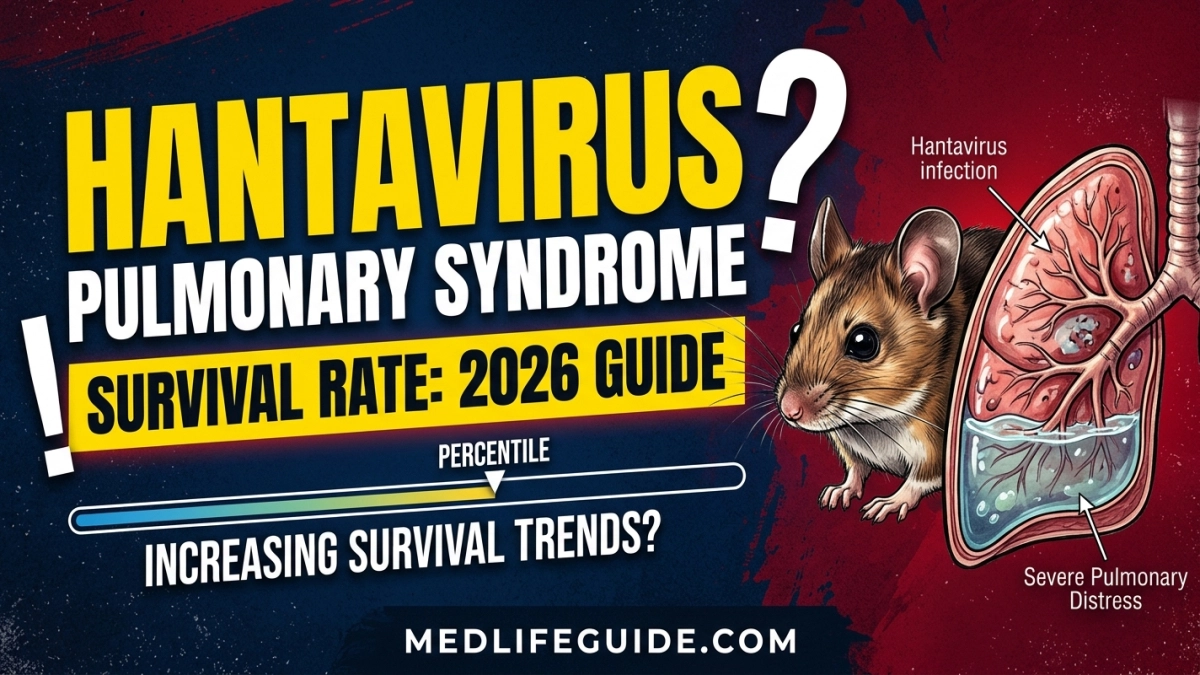
Hantavirus Pulmonary Syndrome (HPS) is a rare but severe disease spread by infected wild rodents. In North America, the primary carrier is the deer mouse. People contract the virus by breathing in tiny dust particles contaminated with mouse urine, droppings, or saliva.
The overall survival rate for Hantavirus Pulmonary Syndrome in North America is approximately 60% to 65%. This means that the case fatality rate ranges between 35% and 40%. While this fatality statistic sounds concerning, survival rates rise significantly when patients receive prompt intensive medical therapy before severe respiratory distress begins.
Factors That Influence HPS Survival Rates
Not every person infected with hantavirus experiences the exact same outcome. Several key factors directly influence whether a patient makes a full recovery:
Timing of Hospitalization
The single most important variable in HPS survival is how quickly a person reaches an intensive care unit (ICU). Patients admitted before their lungs fill with fluid have much better recovery rates than those who arrive in advanced respiratory failure.
Access to Specialized ICU Equipment
Because there is no targeted antiviral medication available for hantavirus, survival depends entirely on supportive care. Advanced life support tools—such as mechanical ventilation and Extracorporeal Membrane Oxygenation (ECMO)—allow the lungs and heart to rest while the immune system clears the virus.
Underlying Health Conditions
Age and pre-existing medical issues can alter prognosis. Individuals with underlying cardiovascular conditions, chronic kidney disease, or compromised immune systems face higher complication risks.
Stages of Hantavirus Pulmonary Syndrome
Hantavirus Pulmonary Syndrome develops through two main clinical phases. Recognizing the transition between these phases can save a life.
| Illness Phase | Typical Timeline | Common Symptoms | Medical Priority |
| Phase 1: Early (Prodromal) | Days 1 to 5 after symptom onset | Fever, severe muscle aches (thighs, hips, back), headaches, nausea, vomiting, dizziness. | Early clinical diagnosis, blood tests (platelet monitoring). |
| Phase 2: Cardiopulmonary | Days 4 to 10 after symptom onset | Sudden coughing, severe shortness of breath, low blood pressure, rapid fluid buildup in lungs. | Immediate ICU support, mechanical ventilation, ECMO if needed. |
| Phase 3: Convalescence | Weeks 2 to 8 (Recovery) | Gradual clearing of lung fluid, improving energy levels, fatigue resolution. | Outpatient physical rehabilitation and pulmonary checkups. |
How Medical Teams Treat Hantavirus Pulmonary Syndrome
When a patient arrives at the hospital with suspected HPS, treatment focuses on maintaining oxygen levels and stabilizing blood pressure.
Suspected Hantavirus Exposure + Early Flu-like Symptoms
                         │
                         ▼
             Immediate Emergency Evaluation
                         │
                         ▼
        Blood Work (Platelet & Viral Screen)
                         │
                         ▼
          Intensive Care Unit (ICU) Support
         ┌───────────────┴───────────────┐
         ▼                               ▼
Oxygen Therapy & Careful       Mechanical Ventilation
 Fluid Management    or ECMO Support
1. Oxygen and Airway Support
As fluid leaks into the air sacs, breathing becomes difficult. Care teams provide oxygen through nasal tubes, non-invasive face masks, or a mechanical ventilator. A mechanical ventilator inserts a breathing tube into the windpipe to pump oxygen directly into the blood.
2. Extracorporeal Membrane Oxygenation (ECMO)
For patients with critical heart or lung failure, medical centers use ECMO. An ECMO machine pumps blood outside the body, removes carbon dioxide, adds oxygen, and pumps the blood back into the bloodstream. This advanced system gives the heart and lungs time to heal.
3. Careful Fluid Balance
Because blood vessels become abnormally leaky during an HPS infection, doctors limit IV fluids. Medications called vasopressors may be given to boost low blood pressure without overloading the lungs with liquid.
Long-Term Recovery and Life After HPS
Patients who survive the severe respiratory phase usually make a complete recovery. Unlike many other severe lung diseases, HPS generally does not leave permanent, irreversible scarring in the lungs.
Most survivors leave the intensive care unit within one to two weeks once their body reabsorbs the excess lung fluid. However, full physical recovery takes time. It is common to feel muscle weakness, physical fatigue, and mild shortness of breath for several weeks or months after discharge. Physical therapy and progressive walking routines help restore strength.
Proven Steps to Prevent Hantavirus Infection
Because there is no vaccine or specific cure for hantavirus, avoiding contact with wild rodents is your best protection. Follow these safety protocols when cleaning out dusty spaces like sheds, attics, cabins, or basements:
- Air Out Enclosed Spaces First: Open doors and windows for at least 30 minutes before entering unused buildings.
- Never Sweep or Vacuum Dry Droppings: Sweeping or vacuuming kicks tiny viral particles directly into the air where you can breathe them in.
- Use the Wet Cleaning Method: Wear rubber gloves and a respirator mask (such as an N95 mask). Thoroughly soak droppings, nests, and contaminated surfaces with a household disinfectant or a diluted bleach solution (1.5 cups of bleach per gallon of water). Let it sit for 5 minutes before wiping up with paper towels.
- Seal Entry Points: Rodents can squeeze through holes as small as a pencil width (1/4 inch). Fill gaps around your home with steel wool, wire mesh, or concrete.
- Keep Food Covered: Store human food and pet food in thick, airtight plastic or metal containers.
Frequently Asked Questions (FAQs)
The survival rate for Hantavirus Pulmonary Syndrome in North America is roughly 60% to 65%, as the disease carries a case fatality rate of 35% to 40%. Early admission to an intensive care unit improves the likelihood of a full recovery.
Initial flu-like symptoms last between 1 and 5 days, after which severe respiratory distress and lung fluid buildup can develop rapidly within 24 to 48 hours.
In North America, hantavirus strains (such as Sin Nombre) cannot spread between humans. Person-to-person spread has only been documented in South America with the specific Andes hantavirus strain.
There is currently no approved vaccine or specific antiviral cure for hantavirus pulmonary syndrome in the United States. Treatment relies on supportive intensive care to assist heart and lung function.
Early symptoms include sudden high fever, severe fatigue, headache, dizziness, and intense muscle aches in the large muscle groups, such as the thighs, hips, and back.
References and Citations
- Centers for Disease Control and Prevention (CDC) – Clinician Brief: Hantavirus Pulmonary Syndrome
- Mayo Clinic – Hantavirus Pulmonary Syndrome: Symptoms, Causes, and Diagnosis
- National Institutes of Health (NIH) / National Center for Biotechnology Information – Hantavirus Pulmonary Syndrome Clinical Overview
- American Lung Association – Learn About Hantavirus Pulmonary Syndrome (HPS)
- World Health Organization (WHO) – Hantavirus Disease Fact Sheets & Global Surveillance
Medical Reviewer Bio
Dr. Adam N. Khan, M.D. earned his medical degree from King Edward Medical University and completed his Internal Medicine residency at Mayo Hospital. He is an active PMDC-licensed physician dedicated to global health literacy, translating complex peer-reviewed research into accurate, safe, and actionable health guidance for MEDLIFEGUIDE readers. Dr. Khan declares no conflicts of interest related to the medical topics discussed in this article.
Medical Disclaimer
This medical article is for informational and educational purposes only and does not constitute medical advice, diagnosis, or treatment. Hantavirus Pulmonary Syndrome is a severe condition requiring immediate emergency care. If you suspect exposure to hantavirus or experience symptoms of breathing difficulty, seek urgent emergency medical attention or call 911 immediately.