
Medically Reviewed and Compiled by Dr. Adam N. Khan, MD.
Hantaviruses are a group of viruses primarily spread by rodents. In North and South America, these viruses can cause a severe, sometimes fatal lung condition known as Hantavirus Pulmonary Syndrome (HPS). Because the early symptoms often mimic a common flu, understanding the hantavirus incubation period in humans is the most critical factor for early diagnosis and life-saving medical intervention.
What is the Hantavirus Incubation Period?
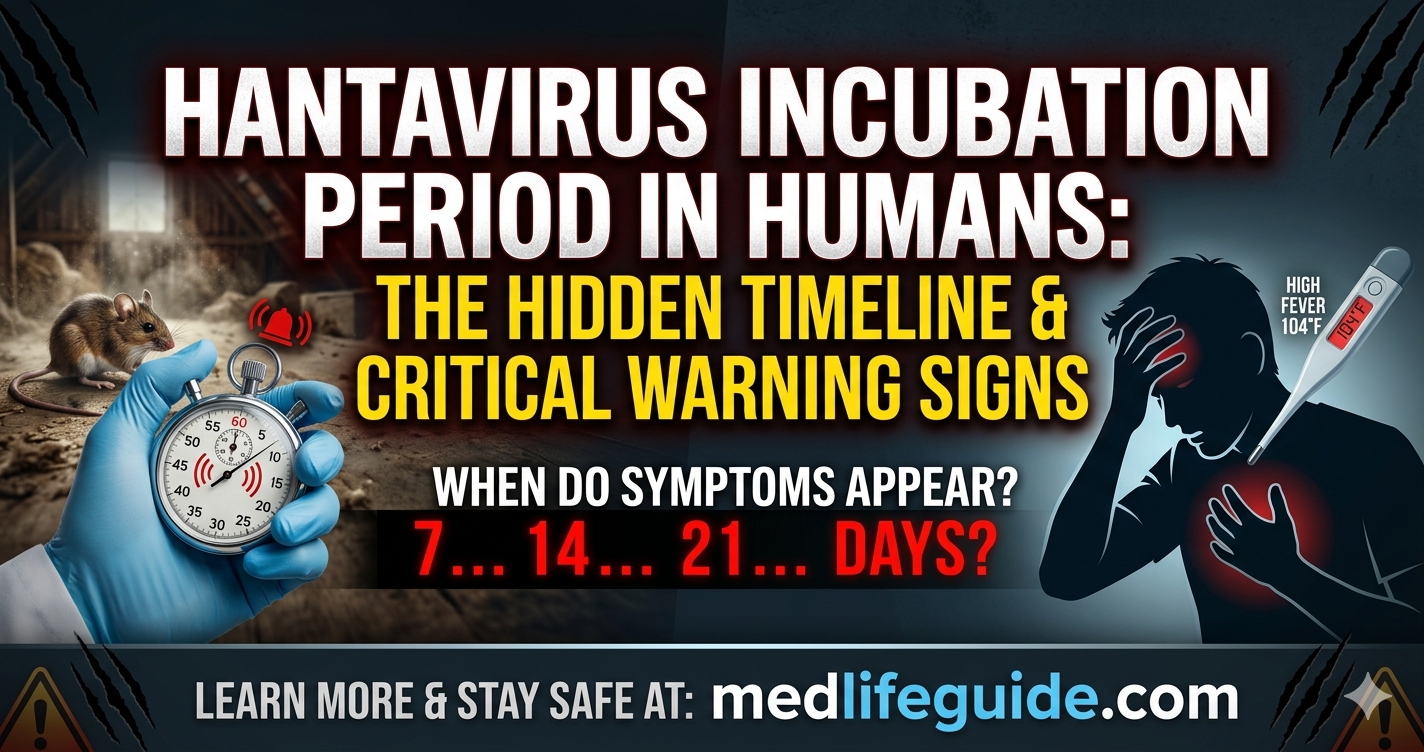
The incubation period is the time between when a person is first exposed to the virus and when they start showing the first signs of being sick. During this window, the virus is replicating inside the body, but the person feels completely normal.
For hantavirus, this timeline is notoriously broad. Research from the Centers for Disease Control and Prevention (CDC) suggests that the incubation period typically lasts between 1 to 8 weeks. However, most patients begin to show symptoms about 2 to 3 weeks after the initial exposure to infected rodent droppings, urine, or saliva.
Why the Timeline Varies
The length of the incubation period can depend on several factors:
- Viral Load: The amount of virus a person inhales.
- Route of Exposure: While usually inhaled through dust, bites or direct contact may alter the timeline.
- Immune Response: How quickly the individual’s immune system recognizes the foreign pathogen.
Stages of Hantavirus Progression
To understand the hantavirus incubation period in humans, it helps to look at what happens immediately after that period ends. The disease moves in distinct phases.
Phase 1: The Prodromal (Early) Stage
Immediately following the incubation period, patients enter the “prodromal” phase. This lasts about 3 to 5 days.
- Fever and Chills: Often sudden and intense.
- Myalgia: Deep muscle aches, particularly in the large muscle groups like thighs, hips, and back.
- Fatigue: Extreme tiredness that feels more intense than a standard cold.
- Digestive Issues: About half of all patients experience nausea, vomiting, or stomach pain.
Phase 2: The Cardiopulmonary (Critical) Stage
This is the “leakage” phase. About 4 to 10 days after the initial symptoms start, the virus begins to affect the lungs. The capillaries (tiny blood vessels) in the lungs start to leak fluid into the air sacs.
- Shortness of Breath: Feeling like you cannot get enough air.
- Coughing: A dry cough that quickly turns into a struggle for breath.
- Hypotension: A dangerous drop in blood pressure.
Unique Clinical Takeaways
While basic symptoms are well-known, medical professionals look for specific “nuanced” markers to differentiate HPS from other respiratory illnesses during and after the hantavirus incubation period in humans.
1. The “Large Muscle Group” Diagnostic Marker
Unlike the common flu, which often causes general body aches, hantavirus myalgia is specifically concentrated in the large muscle groups. Clinical observation shows that intense pain in the thighs and lower back—without the presence of a sore throat or runny nose—is a significant “red flag” for HPS. If a patient presents with severe leg pain following potential rodent exposure, clinicians should prioritize HPS over influenza.
2. Rapid Platelet Count Decline
A critical clinical takeaway for HPS is the “triad” found in a standard Complete Blood Count (CBC). Even before the lungs fill with fluid, doctors often see:
- A dropping platelet count (thrombocytopenia).
- An increase in immature white blood cells (immunoblasts).
- An increase in hematocrit levels (indicating blood concentration). This specific blood profile serves as a definitive early warning sign during the transition from the incubation period to the symptomatic phase.
3. The Absence of Upper Respiratory Symptoms
One of the most important differential diagnosis factors is what the patient doesn’t have. Hantavirus rarely causes a runny nose, sneezing, or a sore throat. In a medical setting, the presence of “wet” upper respiratory symptoms usually points toward a different virus. The absence of these, combined with a known 2-week history of cleaning a barn or shed, significantly increases the likelihood of Hantavirus.
How Exposure Happens During the Incubation Phase
You cannot catch Hantavirus from another person. The “clock” for the incubation period starts at the moment of environmental exposure.
- Aerosolization: This is the most common path. When rodent nests or droppings are stirred up (like when sweeping a garage), the virus becomes airborne. You breathe it in, and the incubation period begins.
- Direct Contact: Touching contaminated surfaces and then touching your nose or mouth.
- Rodent Bites: Although rare, a bite from an infected deer mouse can transmit the virus directly into the bloodstream.
Managing the Risk
Since there is no specific cure or vaccine for hantavirus, management relies on prevention and early supportive care in an Intensive Care Unit (ICU).
Safe Cleaning Practices
To prevent starting the hantavirus incubation period in humans, never sweep or vacuum rodent-infested areas.
- Ventilate: Open doors and windows for 30 minutes before cleaning.
- Wet Down: Use a mixture of bleach and water to soak droppings and nesting materials. This prevents the virus from entering the air.
- Protective Gear: Wear rubber gloves and, if possible, an N95 mask.
Medical Disclaimer: The information provided in this article is for educational purposes only and is not intended as medical advice. Hantavirus is a life-threatening condition. If you develop a fever or shortness of breath after being in contact with rodents or their droppings, seek emergency medical attention immediately.