
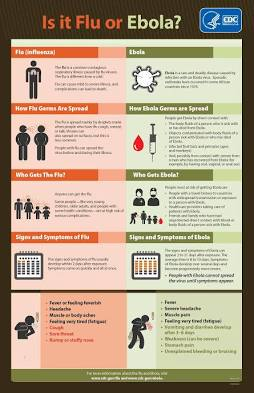
Ebola virus disease (EVD) is a rare but severe and often fatal illness. Symptoms typically appear suddenly after an incubation period the time between infection and when symptoms show up ranging from 2 to 21 days (most commonly 8 to 10 days).
An important thing to know is that a person infected with Ebola is not contagious until they actively start showing symptoms.
The illness progresses rapidly, moving from early, flu-like signs to severe gastrointestinal and systemic complications.
Progression of Symptoms
1. Early Dry Symptoms (The Initial Phase)
The disease starts abruptly with “dry” symptoms, which can easily be mistaken for influenza, malaria, or typhoid fever.
- Sudden high fever
- Severe headache
- Intense muscle and joint pain
- Profound weakness and fatigue
- Sore throat
2. Advanced Wet Symptoms (The Gastrointestinal Phase)
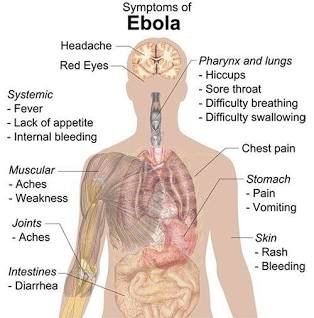
As the virus multiplies and spreads throughout the body, it attacks cells lining the blood vessels and vital organs. Usually 3 to 5 days into the illness, patients develop severe “wet” symptoms:
- Frequent vomiting and severe diarrhea (which can quickly lead to dangerous dehydration and shock)
- Abdominal (stomach) pain
- Unexplained bruising or bleeding (hemorrhage) from the gums, nose, or in the stool/vomit
- A raised, red rash (maculopapular rash) that may appear on the torso and spread
3. Critical Complications
In severe, late-stage cases, the virus triggers a massive inflammatory response that damages tissues across the entire body, leading to:
- Organ failure (particularly the kidneys and liver)
- Central nervous system impacts (confusion, seizures, or coma)
- Severe metabolic changes and low blood pressure, leading to multi-organ shock.
When to Seek Immediate Medical Attention: If someone has been in an area with an active Ebola outbreak or has been in contact with someone suspected of having Ebola, and they experience a fever, headache, or muscle pain, they require immediate medical isolation and intensive supportive care.
Early supportive treatment—like intravenous fluids (IV) to balance electrolytes and targeted monoclonal antibody therapies—significantly improves the chances of survival.