
Published: May 14, 2026
By MedLifeGuide.com – Your Trusted Source for Health Information
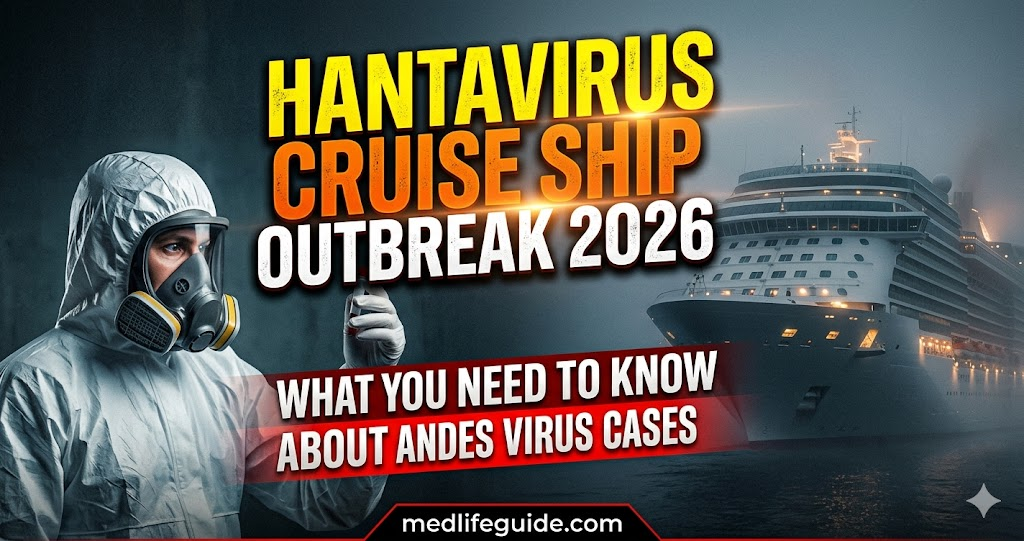
A rare hantavirus outbreak aboard the expedition cruise ship MV Hondius has captured global attention in May 2026. Health authorities, including the WHO, ECDC, and CDC, are actively monitoring the situation involving the Andes virus (a strain of hantavirus). While the event is serious for those directly affected, officials emphasize that the public health risk remains low.
What Happened on the MV Hondius?
The Dutch-flagged MV Hondius departed Ushuaia, Argentina, on April 1, 2026, for a 33-day Antarctic expedition. The ship carried around 147 passengers and crew from multiple countries.
A cluster of severe respiratory illnesses emerged, leading to laboratory confirmation of Andes hantavirus. As of May 13, 2026:
- 9–11 total cases (approximately 8–9 confirmed, with some probable/suspected).
- 3 deaths reported (case fatality ratio around 38% in early reports).
- No new cases or deaths in the most recent updates. en.wikipedia.org
The ship arrived in Tenerife (Canary Islands, Spain) on May 10. Passengers have been repatriated to their home countries with contact tracing and monitoring underway in multiple nations, including the US, Netherlands, Spain, and others. Some US passengers are in quarantine at specialized facilities.
What Is Andes Hantavirus?
Hantaviruses are a family of viruses primarily transmitted from rodents to humans. Most strains cause Hantavirus Pulmonary Syndrome (HPS) in the Americas or Hemorrhagic Fever with Renal Syndrome (HFRS) elsewhere.
Andes virus (ANDV) is unique:
- Endemic to South America (especially Argentina and Chile).
- It is the only hantavirus strain with documented (though limited) person-to-person transmission, typically requiring close, prolonged contact. cdc.gov
Primary transmission is still via inhalation of aerosolized virus from infected rodent urine, droppings, or saliva. On the ship, initial exposure likely occurred from rodents in South American ports or onboard, with possible limited secondary spread in confined quarters.
Symptoms of Hantavirus Pulmonary SyndromeSymptoms usually appear 1–8 weeks after exposure (incubation can be 4–42 days for Andes virus).
Early symptoms (flu-like):
- Fever
- Fatigue
- Muscle aches (especially large muscles)
- Headache
- Dizziness or chills
- Nausea, vomiting, diarrhea, abdominal pain
Later/progressive symptoms:
- Cough
- Shortness of breath
- Fluid in the lungs (pulmonary edema)
- Severe respiratory distress requiring hospitalization or ventilation
Early medical care is critical, as the illness can progress rapidly.
Risk to the General Public and Travelers
Health authorities (WHO, ECDC, CDC) assess the overall public risk as low.
- No evidence of sustained community transmission.
- Person-to-person spread is rare and requires specific close contact.
- Standard precautions (hand hygiene, avoiding rodent-infested areas) are effective. ecdc.europa.eu
Travelers to South America should avoid contact with rodents and their habitats. Cruise operators and health agencies are reviewing protocols for expedition voyages.
Prevention Tips
- Avoid rodent-infested areas, especially in endemic regions.
- Seal food and trash properly.
- Use masks and gloves when cleaning potentially contaminated spaces.
- Practice good hand hygiene.
- Seek immediate medical care if symptoms develop after potential exposure.
There is no specific antiviral treatment or vaccine widely available for Andes virus. Care is supportive (oxygen, fluids, ventilation if needed).Key
Takeaways
This MV Hondius outbreak highlights the importance of vigilance on remote travel but does not signal a wider threat. Health agencies continue monitoring due to the long incubation period, but the situation appears contained.
Stay informed through reliable sources like WHO, CDC, or ECDC. Avoid panic-driven misinformation.This article is for educational purposes only and is not a substitute for professional medical advice. Consult a healthcare provider for personal health concerns.
Sources: WHO Disease Outbreak News, ECDC updates, CDC alerts, and verified reports (as of May 14, 2026).