
Quick Answer
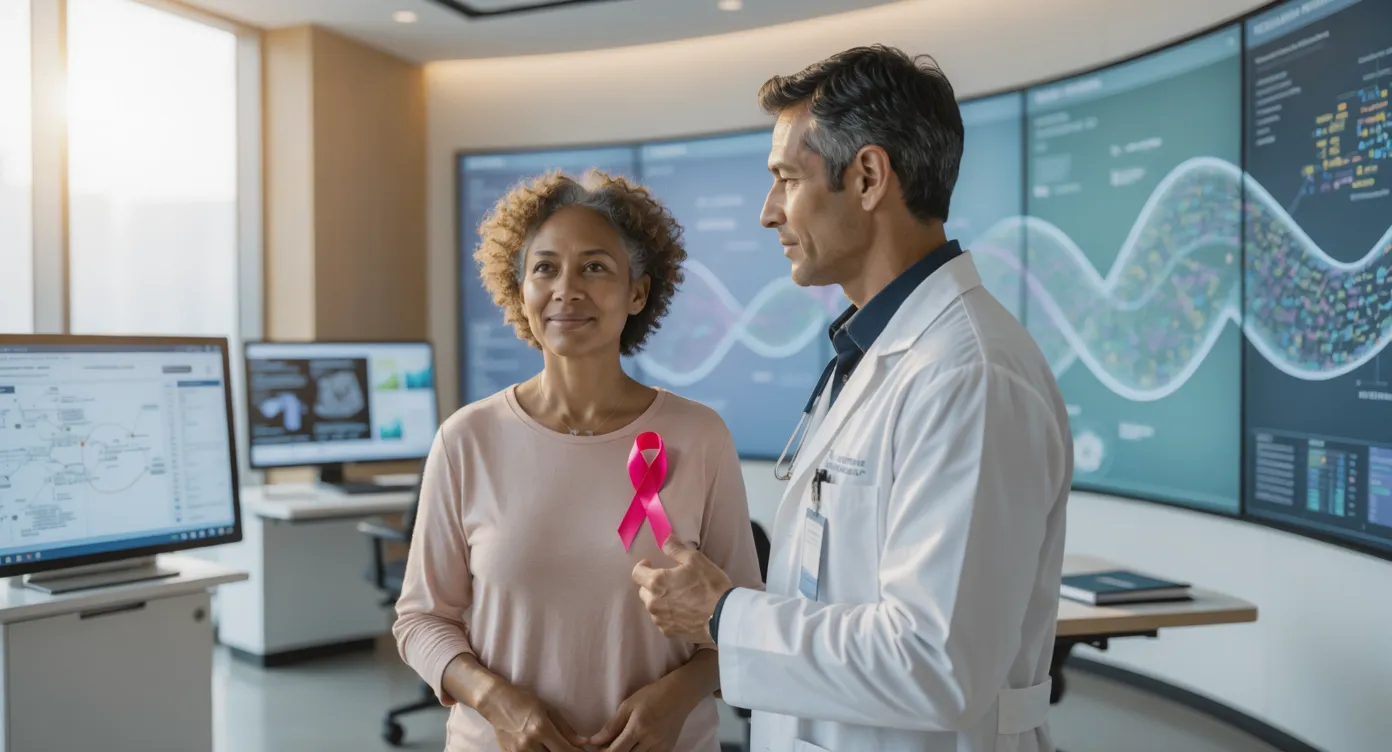
Breast Cancer Treatment in 2026 is becoming more precise, less invasive, and increasingly personalized. Emerging research on GLP-1 medications, lymph node biology, smart micelle drug delivery systems, genomic treatment matching, and strategies to reduce unnecessary chemotherapy are reshaping how doctors prevent, detect, and treat breast cancer while improving quality of life for patients.

5 Breakthroughs Changing Breast Cancer Care in 2026
Breast cancer care is entering a new phase. For years, treatment decisions often relied on broad clinical guidelines that worked well for many patients but sometimes led to overtreatment or unnecessary side effects.
The biggest shift in Breast Cancer Treatment in 2026 is precision. Researchers and clinicians are focusing on delivering the right treatment to the right patient at the right time.
After reviewing recent oncology research, conference presentations, and patient experiences shared in cancer communities, one pattern stands out: treatment is becoming more individualized while preserving quality of life.
Here are five developments attracting attention across the cancer care landscape.
What makes 2026 a turning point for breast cancer care?
Several advances are converging at once:
- Better understanding of cancer biology
- Improved risk prediction tools
- Smarter drug delivery technologies
- More personalized treatment decisions
- Reduced exposure to unnecessary therapies
Instead of asking only, “How do we destroy cancer cells?” doctors are increasingly asking, “How can we treat cancer effectively while minimizing harm?”
That shift is influencing nearly every aspect of modern breast cancer care.
What is the connection between GLP-1 drugs and breast cancer prevention?
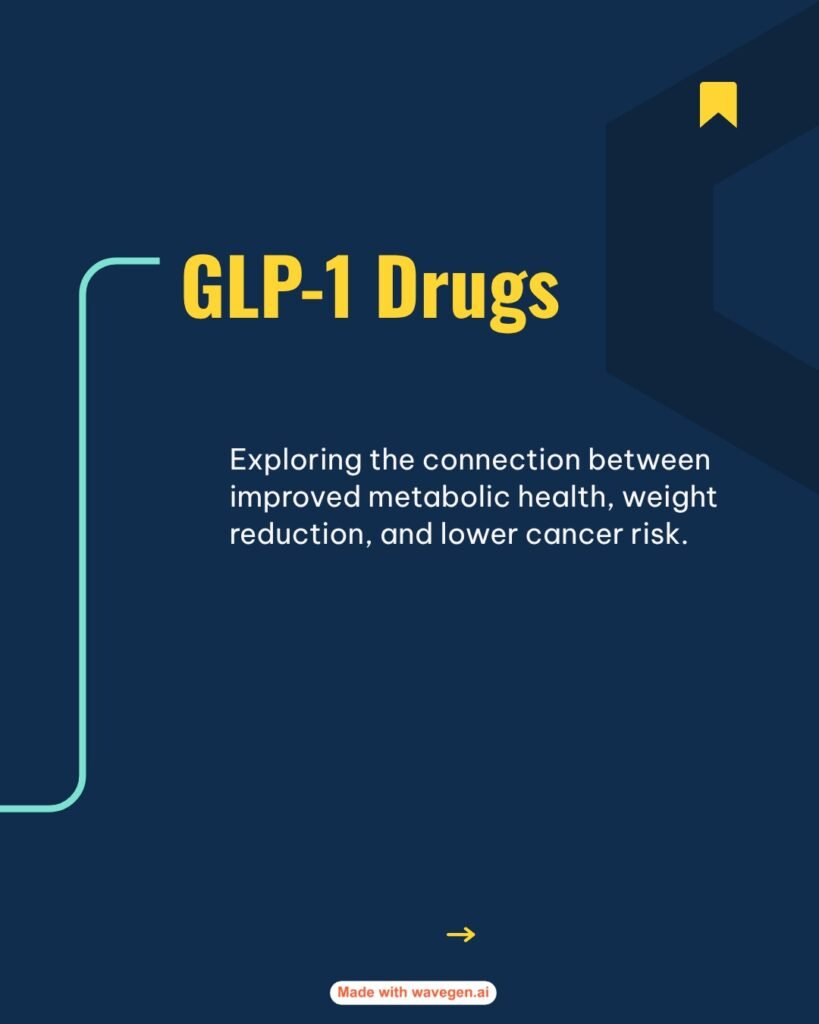
One of the most discussed topics in oncology during 2026 involves GLP-1 receptor agonists, including medications commonly prescribed for diabetes and weight management.
Recent observational research presented at major oncology meetings has suggested a possible association between GLP-1 medication use and a lower incidence of breast cancer.
Why are researchers interested?
Excess body weight is a recognized risk factor for several cancers, including certain types of breast cancer.
GLP-1 medications may help by:
- Supporting weight reduction
- Improving metabolic health
- Reducing insulin resistance
- Influencing inflammatory pathways
Researchers are investigating whether these biological effects could contribute to lower cancer risk.
What patients should know
Current findings are promising but not definitive.
Observational studies can identify associations, but they cannot prove that a medication directly prevents cancer.
Patients should not start or stop medications solely for cancer prevention without discussing risks and benefits with their healthcare provider.
Practical insight
A common misconception seen in patient forums is that weight-loss medications are becoming “cancer prevention drugs.” The science is not there yet.
A more accurate takeaway is that researchers are exploring whether improved metabolic health may influence cancer risk.
How could lymph node research improve earlier detection and risk assessment?
For decades, lymph nodes have played a critical role in breast cancer staging.
New research is expanding that understanding.
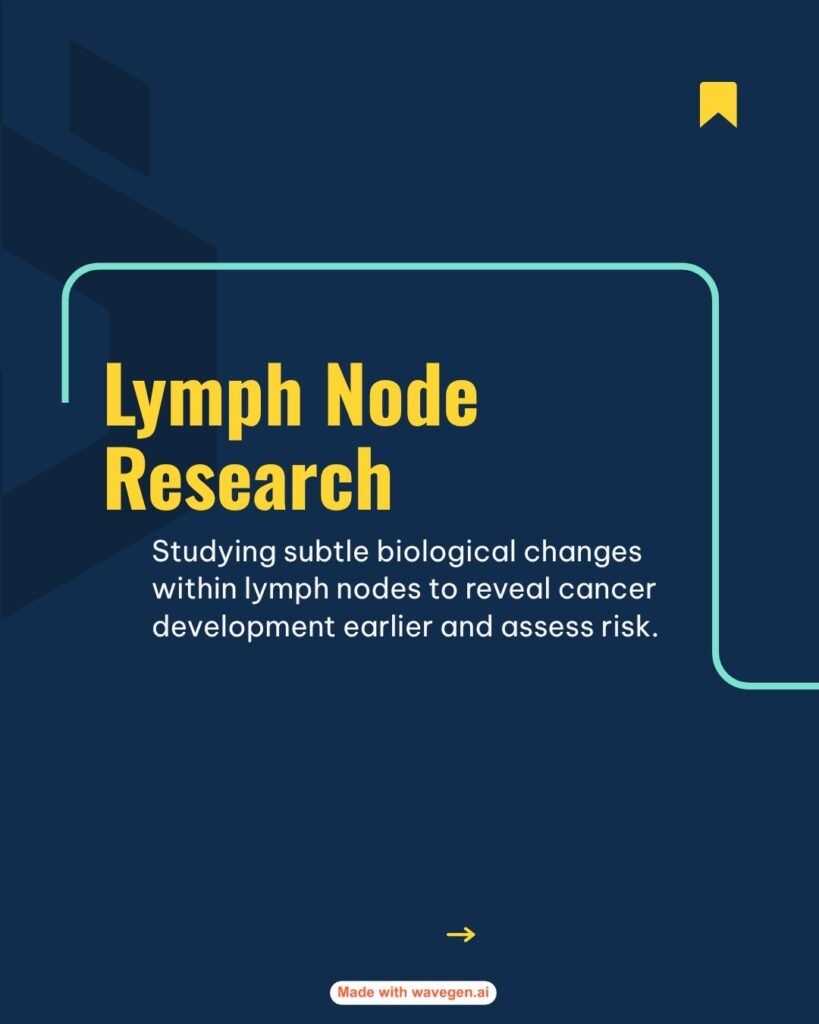
Scientists are studying subtle biological changes within lymph nodes that may reveal information about cancer development earlier than previously possible.
Why lymph nodes matter
Lymph nodes help the body monitor and respond to disease.
Researchers now believe they may also provide clues about:
- Cancer progression
- Immune response
- Recurrence risk
- Treatment effectiveness
Potential future applications
If ongoing studies continue to show positive results, doctors may eventually use lymph node analysis to:
- Identify higher-risk patients sooner
- Personalize treatment plans
- Monitor treatment response more accurately
Expert insight inspired by patient communities
Discussions frequently seen in cancer support communities reveal a recurring concern: many patients assume lymph node involvement automatically means a poor prognosis.
Clinical reality is more nuanced.
Advances in imaging, surgery, and targeted treatments have improved outcomes significantly, even for patients with lymph node-positive disease.
Understanding this distinction can reduce unnecessary fear while helping patients have more informed conversations with their care teams.
Can smart micelle therapies make treatment more precise?
Among the most exciting innovations in cancer drug delivery are smart micelle systems.
These microscopic carriers are designed to transport cancer-fighting drugs directly to tumor cells while reducing exposure to healthy tissue.
What are smart micelles?
Micelles are tiny spherical structures capable of carrying therapeutic compounds through the body.
Researchers are developing specialized versions that can:
- Recognize tumor-specific signals
- Improve drug concentration at the cancer site
- Reduce systemic toxicity
- Enhance treatment precision
Why this matters
Traditional chemotherapy affects both cancerous and healthy cells.
That approach can lead to side effects such as:
- Fatigue
- Hair loss
- Nausea
- Reduced immune function
Targeted delivery systems may help reduce these challenges.
Current limitations
Many smart micelle technologies remain under investigation.
Researchers continue evaluating:
- Long-term safety
- Optimal dosing
- Manufacturing scalability
- Clinical effectiveness
Still, oncology experts view targeted delivery as one of the most promising areas of cancer innovation.
How is personalized treatment changing breast cancer outcomes?
Personalization has become one of the defining trends in modern oncology.
Rather than treating every patient with the same protocol, clinicians increasingly use biological data to tailor care.
What information guides treatment decisions?
Doctors may evaluate:
- Tumor subtype
- Hormone receptor status
- HER2 expression
- Genomic testing results
- Family history
- Overall health profile
These factors help determine which treatments are most likely to be effective.
Why personalization matters
Not all breast cancers behave the same way.
Two patients with similar diagnoses may have very different biological characteristics and treatment needs.
Personalized care can help:
- Improve treatment effectiveness
- Reduce unnecessary side effects
- Avoid ineffective therapies
- Support better long-term outcomes
A lesson from clinical practice
One challenge patients often face is assuming that more aggressive treatment automatically produces better results.
In reality, the best treatment is often the one specifically matched to the biology of the cancer.
Modern oncology is increasingly focused on precision rather than intensity.
Why are doctors working to reduce unnecessary chemotherapy?
This may be the most patient-centered breakthrough of all.
For years, many individuals received chemotherapy because doctors wanted to minimize recurrence risk.
While effective in many situations, chemotherapy also carries significant physical and emotional burdens.
The rise of genomic testing
Advanced genomic tools can help identify which patients are most likely to benefit from chemotherapy.
These tests analyze tumor biology to estimate recurrence risk and treatment responsiveness.
Benefits of avoiding unnecessary chemotherapy
When appropriate, patients may experience:
- Fewer side effects
- Better quality of life
- Faster recovery
- Reduced financial burden
- Lower treatment-related stress
What recent studies suggest
Large clinical studies continue to show that some patients can safely avoid chemotherapy without compromising outcomes.
Treatment decisions remain highly individualized, but the trend toward evidence-based treatment reduction is growing.
Expert insight inspired by patient discussions
Many breast cancer survivors report that one of the hardest parts of treatment was uncertainty.
Several patients have described feeling uncomfortable when told they might not need chemotherapy because they worried less treatment meant less protection.
Modern genomic testing is helping address this concern by providing more personalized evidence to guide decisions.
That shift allows patients and physicians to make choices based on biology rather than fear.
What challenges remain despite these breakthroughs?
Progress does not eliminate every obstacle.
Several challenges continue to affect breast cancer care.
Access disparities
Advanced treatments are not equally available everywhere.
Geographic location, healthcare infrastructure, and insurance coverage can influence access.
Research gaps
Many emerging technologies still require long-term validation.
Questions remain about:
- Durability of outcomes
- Cost-effectiveness
- Broad population applicability
Patient education
New treatment options can create confusion.
Patients benefit from:
- Clear communication
- Shared decision-making
- Evidence-based guidance
- Reliable educational resources
The strongest outcomes often occur when informed patients work closely with experienced care teams.
What should patients watch for over the next few years?
The next phase of breast cancer innovation will likely focus on:
| Emerging Area | Potential Impact |
|---|---|
| AI-assisted diagnostics | Earlier detection and risk prediction |
| Advanced genomic profiling | More personalized treatment plans |
| Targeted drug delivery | Reduced treatment toxicity |
| Immunotherapy combinations | Improved outcomes for specific subtypes |
| Metabolic health interventions | Better prevention strategies |
The common theme is precision.
Researchers are moving away from one-size-fits-all care and toward treatment strategies built around each patient’s unique biology.
6. FAQ Section
Many experts point to personalized treatment planning and genomic testing because they help match therapies to individual patients while reducing unnecessary treatment.
Current research suggests a possible association between GLP-1 use and lower breast cancer incidence, but causation has not been established. More studies are needed.
Smart micelles are microscopic drug delivery systems designed to transport cancer treatments more precisely to tumor cells while limiting exposure to healthy tissues.
In certain cases, genomic testing can help identify patients who may receive limited benefit from chemotherapy, allowing doctors to consider alternative treatment strategies.
Lymph nodes help determine cancer stage and may provide valuable information about recurrence risk, immune response, and disease progression.
Personalized treatment is not necessarily “better” in every case, but it aims to select the most appropriate therapy based on the biology of the patient’s cancer.
Availability varies by region, healthcare system, and treatment center. Some innovations remain under investigation and are not yet widely accessible.
8. References & Citation
- American Cancer Society — Breast Cancer Resources
https://www.cancer.org - National Cancer Institute — Breast Cancer Information
https://www.cancer.gov - American Society of Clinical Oncology (ASCO) Research Updates
https://www.asco.org - The Lancet Oncology Publications
https://www.thelancet.com - PubMed Scientific Database
https://pubmed.ncbi.nlm.nih.gov - National Comprehensive Cancer Network (NCCN) Guidelines
https://www.nccn.org - ScienceDaily Cancer Research News Summaries
https://www.sciencedaily.com
Author Bio
Sarah Mitchell
Sarah Mitchell is a health and medical content writer who specializes in oncology research, patient education, and emerging healthcare technologies. She regularly reviews peer-reviewed studies, clinical guidelines, and cancer care developments to translate complex medical topics into practical, evidence-based information for readers. Her work focuses on helping patients and families understand evolving treatment options while emphasizing accuracy, transparency, and informed decision-making.