
Medically Reviewed and Compiled by Dr. Adam N. Khan, MD.
Key Takeways
- Strict Daily Limits: The absolute maximum daily limit for healthy adults remains 4,000 milligrams (mg), but healthcare experts strongly recommend staying at or below 3,000 mg per day to protect your liver.
- New Drug Rules: In 2026, the FDA approved new nonprescription combination pills containing acetaminophen and naproxen sodium, making it more critical than ever to check labels and avoid double-dosing.
- Pregnancy Updates: Updated health guidelines emphasize using the lowest possible dose for the shortest time during pregnancy due to ongoing research into childhood behavioral health.
EMERGENCY WARNING: Acetaminophen overdose is a medical emergency that can lead to permanent liver failure or death within days. Early symptoms include nausea, vomiting, loss of appetite, and severe sweating. If you suspect that you or someone you care for has taken more than the recommended dose, contact emergency services or a poison control center immediately, even if no symptoms are present.
Understanding Acetaminophen in 2026
Acetaminophen is one of the most widely used over-the-counter pain and fever reducers in the world. It is the active ingredient in well-known household brands like Tylenol, and it serves as a primary remedy for everything from tension headaches to childhood fevers. Unlike nonsteroidal anti-inflammatory drugs (NSAIDs) such as ibuprofen or naproxen, acetaminophen does not cause significant stomach irritation or increase your risk of stomach bleeding. This makes it an excellent choice for individuals with sensitive stomachs or kidney issues.
However, how the drug works in your body requires careful management. Acetaminophen travels straight to your liver, where specialized enzymes break it down. When taken in normal amounts, your liver effortlessly neutralizes the chemical and flushes it out. But if your liver receives too much of the drug at once, its cleaning system becomes overwhelmed. This creates a buildup of toxic waste that directly destroys liver cells.
In recent years, regulatory changes have targeted this safety window. According to historic safety updates from the FDA’s Safe Use Initiative, medical providers have steadily tightened controls on how the drug is packaged and prescribed. This includes restricting prescription combination products—such as opioid-acetaminophen pain medications—to a maximum of 325 mg per tablet to prevent accidental overdoses.
Proper Dosage and Safety Limits
Adult Dosage Guidelines
For most healthy adults and teenagers over the age of 12, the FDA guidelines for acetaminophen establish that the absolute maximum amount you should take within a 24-hour period is 4,000 mg. However, to build a reliable safety cushion, many top institutions, including Harvard Health, advise keeping your daily limit at 3,000 mg.
To help visualize what this looks like in practice:
- Regular Strength (325 mg tablets): Do not take more than 2 tablets every 4 to 6 hours. Never exceed 10 tablets in a single day.
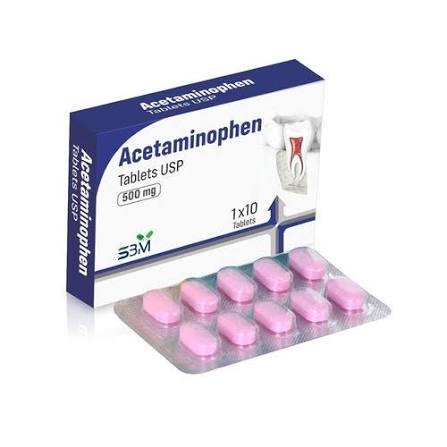
- Extra Strength (500 mg tablets): Do not take more than 2 tablets every 6 hours. Never exceed 6 tablets in a single day.
Always space your doses out evenly across the day. Taking a large amount all at once is far more damaging to your organs than spreading the identical amount across 24 hours.
Pediatric Dosage Guidelines
When it comes to infants and young children, dosage must never be a guessing game. Children’s doses are determined strictly by their weight, not their age. The Mayo Clinic guidance on pediatric acetaminophen emphasizes that you should never give a child acetaminophen more than five times within a 24-hour period.
When administering liquid medication to a child, always use the specialized oral syringe or dosing cup that comes packaged with that specific bottle. Never use a standard kitchen spoon, as kitchen spoons vary widely in size and can easily lead to a severe under-dose or a dangerous overdose. If you do not know your child’s current weight, or if your child is under two years old, contact your pediatrician before giving any medication.
Hidden Sources and the Danger of Accidental Overdose
The greatest hazard associated with acetaminophen is its hidden presence in everyday medicines. It is frequently combined with other active ingredients to treat complex health issues. Because of this, it is shockingly easy to take two entirely different products without realizing they both contain the same drug.
Common multi-symptom products that frequently contain acetaminophen include:
- Over-the-counter allergy medications and sinus pain formulas.
- Nighttime sleep aids and flu syrups.
- Prescription pain pills combining acetaminophen with narcotic medications.
To safeguard your health, adopt the habit of reading the “Drug Facts” label on every over-the-counter box. Look specifically for the word “Acetaminophen” or the abbreviation “APAP” in the active ingredients list. As noted in clinical drug profiles on DailyMed, taking more than one medication containing this chemical simultaneously can unintentionally push your daily intake far past the safe threshold. Think of your daily liver capacity like a small bucket: if you pour liquid from a cold syrup bottle and an extra-strength pain pill into the same bucket at the same time, it will quickly overflow.
Special Warnings: Pregnancy and Chronic Illness
Pregnancy and Neurological Research
For decades, acetaminophen has been trusted as the primary over-the-counter pain and fever reducer recommended for pregnant individuals. While it remains the preferred option compared to NSAIDs—which carry known risks to fetal development—safety labeling has adapted to modern clinical insights.
Official updates from MedlinePlus Drug Information highlight safety notices regarding acetaminophen use during pregnancy. These adjustments stem from observational studies linking long-term, chronic use of the medication during pregnancy to a potential increase in childhood behavioral conditions, such as Autism Spectrum Disorder (ASD) and Attention-Deficit/Hyperactivity Disorder (ADHD).
Medical groups emphasize that these studies show an association rather than a direct cause-and-effect relationship. However, out of an abundance of caution, healthcare providers advise pregnant individuals to use the medication at the lowest effective dose for the shortest possible duration, and to always consult their obstetrician before starting a self-treatment plan.
Chronic Liver Disease and Alcohol Use
If you suffer from chronic liver conditions, such as hepatitis or fatty liver disease, your organ’s capacity to filter out medications is already compromised. For these individuals, even standard daily doses can trigger severe hepatotoxicity. Clinical reports found in the NIH StatPearls Database confirm that individuals with pre-existing liver damage or those who struggle with chronic alcohol use are at a significantly higher risk for accidental liver damage. If you fit into either of these categories, work closely with your physician to establish a personalized, safe daily threshold, which may be as low as 2,000 mg or require avoiding the medication entirely.
Unique Clinical Takeaways
When managing pain and fever, standard care charts often skip the subtle ways medications interact with your daily lifestyle. Below are three critical, actionable clinical insights for safely managing acetaminophen:
- The “Hidden Duplication” Trap with New Over-the-Counter (OTC) Packs: With the recent launch of nonprescription products like the FDA-approved acetaminophen and naproxen sodium tablet, patients frequently take these long-acting pain pills alongside their traditional cold or flu remedies. Always look for the letters “APAP” or “acetaminophen” on every box. If you use a combination pill, you must lower your intake of any other cold syrups or sinus capsules to zero unless directed by a doctor.
- The Malnutrition and Frailty Adjustment: Daily safety thresholds assume you are eating a standard, healthy diet. If you or a loved one is frail, elderly, or recovering from a severe illness with poor food intake, your liver lacks a crucial compound called glutathione to process the drug safely. For these individuals, a weight-based strategy of no more than 15 mg/kg per dose is recommended, and the daily cap should be significantly lowered under expert supervision.
- The Timing Gap After Drinking Alcohol: Alcohol uses the same liver breakdown pathways as pain relievers. Taking acetaminophen while actively drinking, or immediately after a heavy drinking session, spikes the production of toxic liver byproducts. If you consume three or more alcoholic beverages per day, do not take this medication without explicit approval from your doctor.
Frequently Asked Questions (FAQs)
Yes, it is generally safe to take them together because they use different pathways in your body, but you should check with a doctor or follow a pre-combined product label to avoid taking too much of either medication.
When taken by mouth in standard pill or liquid form, the medication typically begins to reduce pain and lower fever within 30 to 45 minutes.
If you realize you took a double dose or exceeded the daily limit, contact emergency services or a poison control center immediately for guidance, even if you feel perfectly healthy.
Yes, unlike common NSAID medications like ibuprofen, acetaminophen does not cause stomach lining irritation and can be taken safely with or without food.
Look closely at the “Active Ingredients” section of your medicine label for the explicit word “Acetaminophen” or the common medical acronym “APAP.”
Reviewer Biography
Dr. Adam N. Khan, MD is a board-certified internal medicine physician specializing in patient safety, clinical pharmacology, and community health education. He serves as a consultant for regional healthcare networks and reports no financial conflicts of interest or corporate sponsorships related to the manufacturers of analgesic medications.