
Medically Reviewed and Compiled by Dr. Adam N. Khan, MD.
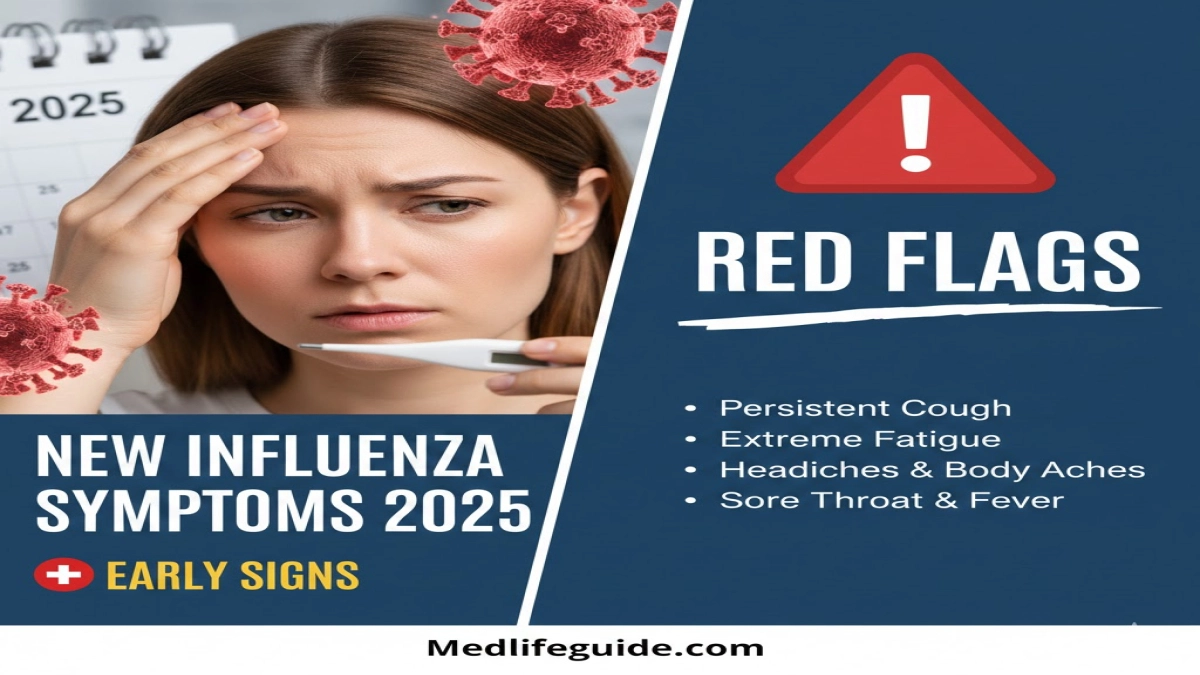
Influenza in 2025 still looks familiar, but doctors are noticing shifts. Symptoms are starting faster, lasting longer in some people, and showing up outside the lungs more often. Digestive issues, neurologic symptoms, and extreme fatigue are being reported more than in past seasons. This guide breaks down what’s new, what hasn’t changed, and what actually matters for patients.
What Is Influenza and Why 2025 Is Different
Influenza, or the flu, is a viral respiratory illness caused mainly by influenza A and B viruses. Every year, the virus mutates. Most changes are small. Some affect how fast symptoms appear, how severe they feel, or which body systems are involved.
What makes 2025 stand out is not a brand-new virus, but a pattern doctors are seeing across clinics and hospitals:
- Faster symptom onset after exposure
- More non-respiratory symptoms
- Wider age groups experiencing moderate to severe illness
- Longer recovery time, even in healthy adults
These changes matter because people may delay care, misread symptoms, or confuse flu with other infections.
New Influenza Symptoms 2025: What Patients Are Reporting

Let’s start with the core symptoms. Many are familiar, but the way they show up is shifting.
Classic Flu Symptoms Still Common
These remain the most reported signs:
- Sudden fever or chills
- Dry or productive cough
- Sore throat
- Body aches and joint pain
- Headache
- Profound fatigue
What’s different is the intensity and timing. Fever and fatigue are often more abrupt and severe within the first 24 hours.
Newly Emphasized and More Frequent Symptoms in 2025
Gastrointestinal Symptoms
Doctors are seeing more flu patients with:
- Nausea
- Vomiting
- Diarrhea
- Abdominal cramping
These symptoms used to be more common in children. In 2025, adults are reporting them more often, sometimes without strong respiratory symptoms at first.
Neurologic and Cognitive Symptoms
Some patients describe:
- Brain fog
- Trouble concentrating
- Dizziness or lightheadedness
- Heightened sensitivity to light
These symptoms can appear early and may persist even after fever resolves.
Extreme Fatigue and Post-Flu Weakness
Fatigue is not new, but in 2025 it is:
- More intense
- Longer lasting
- Disproportionate to fever severity
Some patients need weeks to return to normal energy levels.
Early Warning Signs That Should Not Be Ignored
Here’s the thing. Flu symptoms are not always mild. Certain signs suggest complications or higher risk.
Red Flags in Adults
- Fever lasting more than three days
- Shortness of breath at rest
- Chest pain or pressure
- Confusion or sudden mental changes
- Severe weakness or inability to stand
Red Flags in Children
- Rapid breathing
- Bluish lips or skin
- Refusal to drink fluids
- Persistent vomiting
- Unusual sleepiness or irritability
If these appear, medical care should not wait.
How New Influenza Symptoms 2025 Differ From COVID and RSV
Misdiagnosis is common because symptoms overlap. Here’s a practical breakdown.
Influenza vs COVID
- Flu symptoms often start suddenly within 1 to 2 days
- COVID symptoms may develop more gradually
- Loss of taste or smell is still more specific to COVID
- Body aches and high fever are often stronger with flu
Influenza vs RSV
- RSV more often causes wheezing and breathing distress in young children
- Flu causes higher fever and systemic symptoms
- Adults usually tolerate RSV better than flu
Testing remains the only reliable way to confirm the cause.
Who Is at Higher Risk in 2025
Risk factors have not changed, but their impact has.
High-Risk Groups
- Adults over 65
- Children under 5
- Pregnant individuals
- People with asthma, COPD, heart disease, or diabetes
- Immunocompromised patients
Emerging Observations
Clinicians are also seeing more severe flu in:
- Adults aged 30 to 50 with high stress or poor sleep
- People with obesity or metabolic syndrome
- Individuals recovering from recent viral infections
These patterns suggest immune resilience matters more than age alone.
Unique Clinical Takeaways
This section goes beyond symptom lists. These are practical insights doctors are applying in real-world care.
1. Symptom Order Matters More Than Symptom Type
In 2025, many flu patients report fatigue and body aches before cough or sore throat. This early systemic phase is easy to dismiss as stress or poor sleep. Clinicians are now paying closer attention to the order symptoms appear, not just which ones show up.
Actionable takeaway: Sudden exhaustion with fever, even without cough, should raise suspicion for influenza.
2. Digestive Symptoms Can Delay Diagnosis
Patients with nausea or diarrhea are often treated for food poisoning or stomach viruses first. By the time flu is considered, antiviral treatment windows may be missed.
Actionable takeaway: During flu season, unexplained GI symptoms plus fever should prompt flu testing, especially in high-risk patients.
3. Recovery Time Is a Diagnostic Clue
Many viral illnesses resolve within days. In 2025, influenza recovery is often slower, with lingering fatigue or weakness.
Actionable takeaway: If symptoms improve but energy does not return after 10 to 14 days, follow-up care is warranted to rule out complications like pneumonia or post-viral inflammation.
How Influenza Is Diagnosed in 2025
Diagnosis combines clinical judgment with testing.
Common Diagnostic Tools
- Rapid influenza diagnostic tests
- Molecular PCR testing
- Chest imaging if complications are suspected
Testing early improves accuracy and treatment outcomes.
Treatment Options and What Has Not Changed
Despite new symptom patterns, treatment remains familiar.
Antiviral Medications
- Most effective when started within 48 hours
- Can reduce symptom severity and duration
- Especially important for high-risk groups
Supportive Care
- Rest and hydration
- Fever control with approved medications
- Monitoring for worsening symptoms
Antibiotics are not effective unless a bacterial infection develops.
Prevention Still Works
Vaccination remains the most effective prevention strategy.
Why the Flu Shot Still Matters
- Reduces severity even if infection occurs
- Lowers hospitalization risk
- Protects vulnerable populations
Hand hygiene, mask use during outbreaks, and staying home when sick continue to matter.
When to Seek Medical Care
Do not wait if symptoms escalate or red flags appear. Early care reduces complications and speeds recovery.