
Medically Reviewed and Compiled by Dr. Adam N. Khan, MD.
Uremia is what happens when the kidneys can no longer clear toxins from the blood. These wastes build up, disturb almost every body system, and can become life-threatening if not caught early. Let’s break down what it is, why it happens, how it shows up, and what clinicians look for whe
Medically Reviewed and Compiled by Dr. Adam N. Khan, MD.
Uremia is what happens when the kidneys can no longer clear toxins from the blood. These wastes build up, disturb almost every body system, and can become life-threatening if not caught early. Let’s break down what it is, why it happens, how it shows up, and what clinicians look for when diagnosing and managing it.
What Is Kidney Disease Uremia
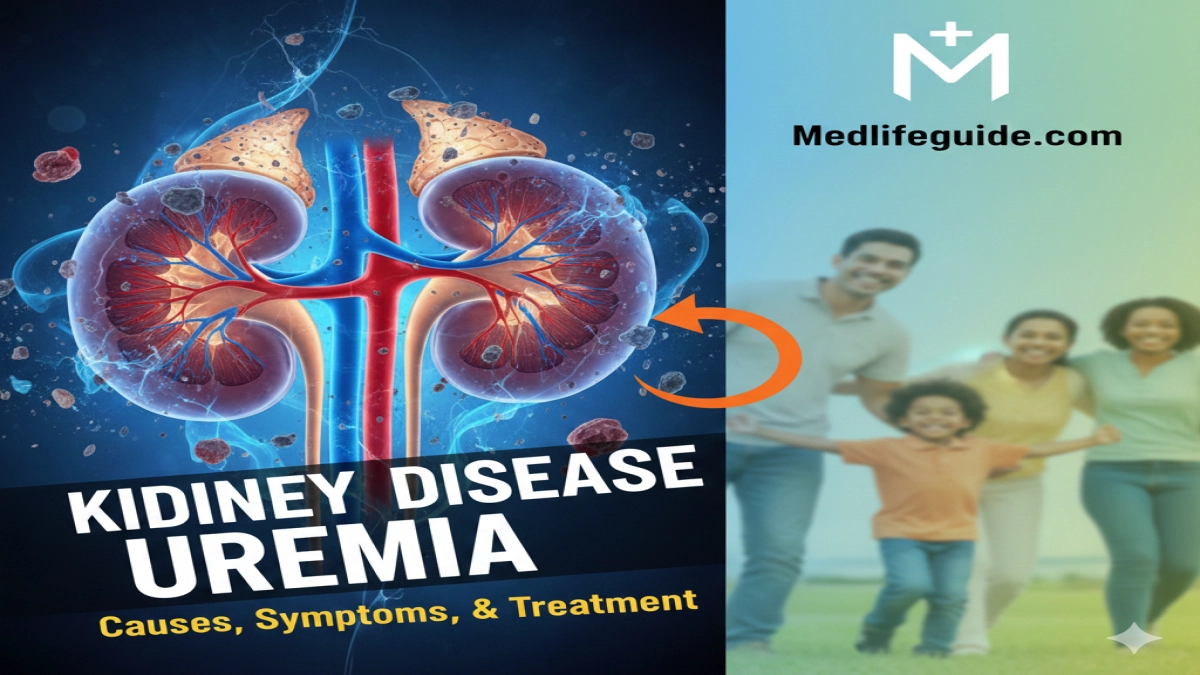
Uremia is the advanced stage of kidney dysfunction where urea and other nitrogenous wastes collect in the bloodstream. It usually happens in late-stage chronic kidney disease or sudden acute kidney injury. Once toxins rise, the body struggles with fluid overload, electrolyte imbalance, inflammation, and hormonal disruption.
Why Uremia Develops
Chronic Kidney Disease
Slow, long-term kidney decline from diabetes, hypertension, and other causes finally reaches a point where the kidneys cannot keep up.
Acute Kidney Injury
A sudden hit such as sepsis, dehydration, shock, or certain medications can sharply reduce kidney function.
Other Triggers
• Blocked urine flow
• Heavy metal toxicity
• Severe infections
• Autoimmune conditions
How Uremia Affects the Body
Here’s the thing: uremia does not stay limited to the kidneys. It affects almost every organ.
Blood and Electrolytes
• High potassium
• Low calcium
• Metabolic acidosis
Brain and Nervous System
• Confusion
• Difficulty concentrating
• Seizures in advanced cases
Heart and Lungs
• Fluid around the heart
• Irregular heart rhythms
• Fluid buildup in the lungs
Skin and GI Tract
• Itching
• Metallic taste
• Nausea and vomiting
Unique Clinical Takeaways
This is a required section and here we get into deeper, more practical insights you rarely see in basic overviews.
1. Early Neurological Changes Are Often Missed
Before labs show severe kidney decline, many patients show personality shifts, sleep disruption, and mild cognitive slowing. These can easily be misdiagnosed as anxiety, depression, or age-related memory problems. Noticing these “silent clues” helps clinicians intervene before crisis-level buildup of toxins.
2. Uremic Symptoms Often Outpace Creatinine Levels
Creatinine levels do not always match symptom severity. Some patients with moderately elevated creatinine are extremely symptomatic, while others with higher numbers feel stable. This is why clinical judgment, not just lab values, drives the timing of dialysis initiation.
3. GI Symptoms Are a Powerful Prognostic Signal
Persistent nausea, anorexia, and ammonia-like breath often reflect systemic toxin accumulation affecting the gut-brain axis. These symptoms are strong predictors of worsening kidney failure and often signal the need for urgent dialysis, even when standard labs appear borderline.
Symptoms of Kidney Disease Uremia
• Fatigue
• Fluid swelling
• Trouble breathing
• Muscle cramps
• Poor appetite
• Confusion
• Chest discomfort
• Severe itching
How Doctors Diagnose Uremia
Blood Tests
• BUN
• Creatinine
• Potassium
• Bicarbonate levels
Urine Tests
• Protein levels
• Abnormal sediment
• Urine output changes
Imaging
• Ultrasound to assess kidney size and structure
• CT scan when obstruction is suspected
Treatment Options
Dialysis
When toxins reach dangerous levels, dialysis removes waste and excess fluid.
Medications
• Diuretics for swelling
• Blood pressure control
• Binders for high phosphorus
• Erythropoietin for anemia
Diet and Lifestyle
• Low sodium
• Controlled protein intake
• Good hydration guidance
• Avoiding high-potassium foods if levels are high
Kidney Transplant
When long-term kidney failure is irreversible, transplant restores normal filtration.
When to Seek Emergency Care
Seek urgent medical help if someone with kidney disease develops:
• Severe shortness of breath
• Chest pain
• Confusion or unusual behavior
• Very poor urine output
• High potassium symptoms (weakness, irregular heartbeat)
Medical Disclaimer
This article is for educational purposes only. It is not a substitute for medical advice, diagnosis, or treatment. Always consult a licensed healthcare professional for personal medical concerns.