
Medically Reviewed and Compiled by: Dr. Adam N. Khan, MD.
Quick Answer
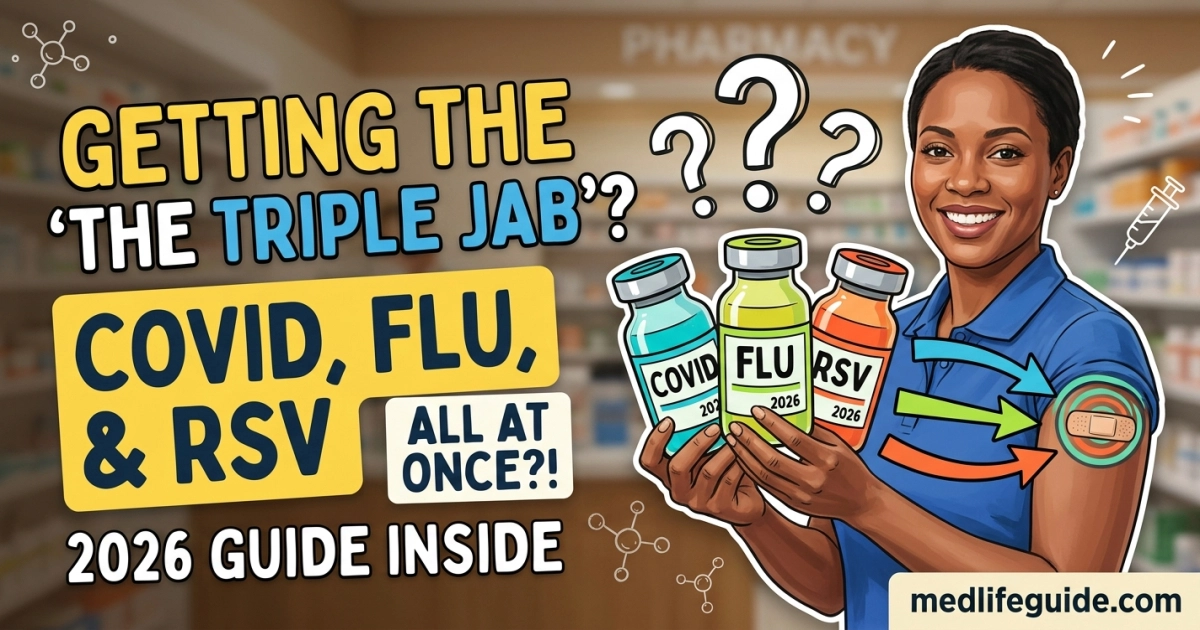
- Co-Administration Is Safe: Major health agencies confirm you can safely receive the COVID-19 and flu vaccines at the same appointment. If you are eligible for the RSV vaccine, it can often be given during the same visit as well.
- Immune Response Remains Strong: Studies show that receiving these vaccines together produces strong antibody protection against all three respiratory viruses without reducing their overall effectiveness.
- Slightly Higher Mild Side Effects: Getting multiple vaccines on the same day may increase short-term side effects like arm soreness, mild fatigue, or low-grade fever, but serious adverse events remain extremely rare.
EMERGENCY WARNING
Respiratory infections can escalate rapidly, especially in high-risk individuals. Seek immediate emergency medical care (call 911 or go to the nearest emergency room) if you or someone in your care experiences severe trouble breathing, persistent pain or pressure in the chest, new confusion, inability to wake or stay awake, or pale, gray, or blue discoloration on the lips, skin, or nail beds.
1. Medical Overview and Pathophysiology of Co-Administration
As respiratory virus season approaches each year, millions of adults face the challenge of updating their immunizations against three major viral pathogens: SARS-CoV-2 (COVID-19), influenza (the flu), and respiratory syncytial virus (RSV). A primary concern for patients and caregivers is whether the human immune system can process multiple respiratory vaccines simultaneously without overwhelming immune pathways or diminishing protective antibody responses.
How the Immune System Processes Co-Administered Vaccines
The human immune system is extraordinarily complex and built to handle constant exposure to thousands of antigens (foreign proteins) every single day. When you receive vaccines for COVID-19, flu, and RSV during a single medical visit, each vaccine introduces specific viral proteins or genetic instructions (such as mRNA) into localized muscle tissue, typically in the upper arm.
Local immune cells, called antigen-presenting cells (APCs) and dendritic cells, ingest these vaccine components at the injection site. These APCs then migrate through the lymphatic system to nearby regional lymph nodes. In the lymph nodes, different populations of T-cells and B-cells recognize the distinct viral antigens. Because your immune system contains billions of naive lymphocytes capable of recognizing different molecular structures simultaneously, processing three distinct respiratory antigens occurs in parallel. The immune system does not get “overwhelmed” or “confused” by multiple vaccines.
Vaccine Platforms and Immune Interactions
Understanding how each vaccine works helps explain why co-administration is biologically sound:
- COVID-19 Vaccines (mRNA or Protein Subunit): These vaccines deliver instructions for your body to produce a harmless version of the SARS-CoV-2 spike protein. This triggers both a humoral (antibody) response from B-cells and a cellular immune response from T-cells.
- Influenza Vaccines (Inactivated or Recombinant): Flu shots present killed viral particles or recombinant proteins from four distinct circulating influenza strains (typically two Influenza A strains and two Influenza B strains). They stimulate neutralizing antibodies targeting the hemagglutinin and neuraminidase proteins on the surface of the flu virus.
- RSV Vaccines (Protein Subunit): RSV vaccines utilize stabilized prefusion F proteins from the respiratory syncytial virus. This protein structure trains the immune system to block the virus from fusing with human respiratory epithelial cells.
Because these vaccines use distinct biochemical pathways and target different viral structures, their co-administration does not lead to significant immune interference. Clinical trials evaluating co-administration demonstrate that antibody titers against COVID-19, influenza, and RSV remain robust and protective when shots are given together compared to when they are spaced weeks apart.
2. Respiratory Illness Symptom Breakdown and Diagnostic Comparison
Distinguishing between COVID-19, influenza, RSV, and common seasonal allergies can be difficult based on symptoms alone. All three viruses infect the upper and lower respiratory tracts, leading to overlapping clinical presentations.
The following comparison chart outlines the typical clinical characteristics of each condition to assist patients and caregivers in recognizing key differences:
| Symptom / Feature | COVID-19 | Influenza (Flu) | RSV (Respiratory Syncytial Virus) | Seasonal Allergies |
|---|---|---|---|---|
| Symptom Onset | Gradual (2–4 days post-exposure) | Sudden & Abrupt (1–4 days) | Gradual (4–6 days) | Immediate upon exposure |
| Fever / Chills | Common (Low to high grade) | Very Common (High, 101–104°F) | Common in infants/elderly; mild in adults | Never |
| Sore Throat | Very Common (Early sign) | Common | Common (Mild) | Rare (Tickle/Post-nasal drip) |
| Nasal Congestion / Runny Nose | Very Common | Common | Very Common (Profuse clear mucus) | Very Common (Watery) |
| Cough | Common (Dry or productive) | Common (Dry, harsh, painful) | Very Common (Wheezing, barking cough) | Rare (Mild tickle) |
| Shortness of Breath | Common in moderate/severe cases | Less common (Occurs with complications) | Common in infants and elderly (Wheezing) | Rare (Unless asthma is triggered) |
| Profound Fatigue | Very Common & Persistent | Severe & Sudden | Moderate | Rare |
| Body / Muscle Aches | Common | Severe & Widespread | Mild to Moderate | None |
| Headache | Common | Very Common & Severe | Occasional | Occasional (Sinus pressure) |
| Loss of Taste / Smell | Rare with current strains (<10%) | Rare | Rare | Rare |
| Gastrointestinal Signs | Occasional (Nausea/Diarrhea) | Occasional (More common in children) | Rare | None |
| Itchy / Watery Eyes | Rare | Rare | Rare | Very Common |
3. Unique Clinical Takeaways
Beyond basic symptom charts and general vaccination schedules, expert clinical practice highlights several critical considerations regarding co-administration:
- Strategic Anatomical Site Selection Reduces Local Reactogenicity: When receiving COVID-19, flu, and RSV vaccines on the same day, healthcare providers should administer them in separate anatomical locations whenever possible. Giving the COVID-19 shot in one arm and the flu and RSV shots in the opposite arm (separated by at least 1 inch if given in the same muscle) significantly decreases localized swelling, deltoid pain, and functional arm tightness.
- Post-Vaccination Immune Reactivity vs. Active Infection: Experiencing a low-grade fever, chills, mild headache, or fatigue 12 to 36 hours after co-administration is a normal sign of robust immune system activation, known as reactogenicity. However, symptoms that include a severe sore throat, progressive cough, loss of taste or smell, or high fever lasting beyond 48 hours should not be dismissed as vaccine side effects. These indicate a potential pre-existing viral infection acquired right before or during the clinic visit.
- The “Bivalent Reactivity Peak” and Work/Care Planning: Clinical observation reveals that simultaneous administration of mRNA COVID-19 vaccines alongside high-dose or adjuvanted flu vaccines (commonly given to adults aged 65 and older) produces a mild, transient increase in systemic side effects like fatigue and body aches compared to receiving either shot alone. Planning co-administration right before a weekend or scheduled rest day allows patients to manage mild post-vaccine fatigue comfortably without disrupting daily responsibilities.
4. Stage-by-Stage Respiratory Illness Progression Timeline
When a person contracts COVID-19, influenza, or RSV, the infection typically moves through predictable stages. Understanding this timeline helps patients monitor their recovery and identify when medical intervention may be necessary.
[Exposure] ---> [Incubation Phase: Days 1-4] ---> [Acute Viral Phase: Days 3-7] ---> [Resolution or Complications: Days 8-14+]
Stage 1: The Incubation Phase (Days 1 to 4 Post-Exposure)
- Biological Activity: The virus enters the upper respiratory tract through respiratory droplets or contaminated surfaces, invading mucosal epithelial cells in the nose and throat. The virus replicates rapidly without causing obvious symptoms.
- Clinical Features: Most individuals feel entirely healthy during this early window. Toward the end of this phase, subtle signs such as a minor throat tickle, mild sneezing, or unusual fatigue may begin to emerge.
- Contagiousness: Individuals can begin shedding viral particles 24 to 48 hours before overt symptoms manifest, making early precautions important if exposure is known.
Stage 2: The Acute Inflammatory Phase (Days 3 to 7)
- Biological Activity: The host immune system detects viral replication and releases inflammatory signaling molecules called cytokines and interferons. This inflammatory cascade causes localized swelling in the respiratory tract and systemic symptoms like fever.
- Clinical Features: Symptoms reach peak intensity. Patients experience sore throat, nasal blockage, clear or discolored mucus, coughing, high or low-grade fever, body aches, and fatigue. In RSV cases, lower airway inflammation can cause wheezing and chest tightness, particularly in young infants and older adults.
- Diagnostic Window: Rapid antigen tests and PCR molecular assays have their highest diagnostic sensitivity during this high-viral-load window.
Stage 3: The Resolution or Secondary Phase (Days 8 to 14+)
- Biological Activity: Neutralizing antibodies and cytotoxic T-cells clear the majority of active viral particles from the body. Tissue repair begins in the damaged respiratory lining.
- Clinical Features: In uncomplicated cases, fever resolves, body aches subside, and energy levels gradually return to baseline. A dry, lingering cough and minor nasal congestion may persist for 2 to 3 weeks as the bronchial tree heals.
- Complication Watch: If fever unexpectedly returns or shortness of breath worsens during this stage, it may indicate a secondary bacterial infection, such as bacterial pneumonia or acute otitis media (ear infection), requiring prompt medical evaluation.
5. High-Risk Vulnerabilities and Special Populations
Certain groups face a significantly higher risk of severe complications, hospitalization, and death from respiratory viruses. Vaccine co-administration is particularly valuable for these populations, as it ensures timely protection against all three major seasonal threats in a single visit.
Older Adults (Ages 65 and Older)
Age-related decline in immune function (immunosenescence) makes older adults more vulnerable to severe respiratory illness.
- Special Vaccine Formulations: Older adults are recommended to receive high-dose or adjuvanted influenza vaccines to boost antibody production. They are also eligible for the RSV vaccine and updated COVID-19 vaccines.
- Co-Administration Safety: Clinical trials confirm that co-administering updated COVID-19, high-dose flu, and RSV vaccines in this age group is safe and effective. While mild side effects like fatigue or arm sore spots may be slightly more pronounced, the benefits of preventing severe viral pneumonia and hospitalization far outweigh the temporary discomfort.
Pediatric Populations (Infants, Toddlers, and Children)
- COVID-19 and Flu: Annual flu shots are recommended for all individuals aged 6 months and older. Updated COVID-19 vaccines are likewise authorized and recommended for children starting at 6 months of age. These can be safely co-administered during routine pediatric wellness visits.
- RSV Protection: RSV is the leading cause of hospitalization among infants in the United States. Infant protection is achieved through two primary strategies:
- Maternal Vaccination: Pregnant individuals between 32 and 36 weeks of pregnancy can receive the RSV vaccine during RSV season, passing protective antibodies to the fetus.
- Monoclonal Antibodies: Infants born during or entering their first RSV season can receive nirsevimab, a long-acting monoclonal antibody immunization.
Immunocompromised Individuals
People living with solid organ transplants, undergoing chemotherapy, managing advanced HIV, or taking autoimmune immunosuppressants face severe risks from viral infections.
- Vaccine Efficacy: Immunocompromised individuals may generate a lower antibody response to vaccines compared to healthy controls. However, co-administration remains safe and strongly recommended to maximize protection.
- Timing Considerations: Specialists often coordinate vaccination timing with immunosuppressive medication cycles to optimize immune response. Booster doses of COVID-19 vaccines may also be recommended at shorter intervals for this group.
6. Evidence-Based Diagnostic, Testing, and Medical Management Guidelines
Proper management of respiratory illness relies on accurate testing and early evidence-based medical treatment.
Plaintext
               Suspected Respiratory Infection
                              │
                              ▼
        Diagnostic Testing (PCR or Multiplex Antigen)
                              │
             ┌────────────────┼────────────────┐
             ▼                ▼                ▼
         COVID-19            Flu              RSV
             │                │                │
             ▼                ▼                ▼
   Nirmatrelvir/Ritonavir  Tamiflu       Supportive Care
         (Paxlovid)     (Oseltamivir)
Diagnostic and Testing Protocol
Because COVID-19, influenza, and RSV cause near-identical early symptoms, laboratory testing is the only definitive way to identify the underlying pathogen:
- Multiplex Molecular PCR Tests: Available in clinics and emergency departments, multiplex PCR tests analyze a single nasal swab to detect SARS-CoV-2, Influenza A/B, and RSV simultaneously with near 100% accuracy.
- At-Home Combination Antigen Tests: Over-the-counter rapid tests are available that screen for both COVID-19 and Influenza A/B from a single swab. If an initial home test is negative on Day 1 of symptoms, repeat testing 48 hours later is recommended to rule out false negatives as viral load builds.
Evidence-Based Antiviral Treatments
When viral infections are diagnosed early, targeted prescription therapies can prevent progression to severe disease:
- For COVID-19:
- Nirmatrelvir with Ritonavir (Paxlovid): An oral antiviral recommended for high-risk patients aged 12 and older with mild-to-moderate COVID-19. Treatment must begin within 5 days of symptom onset.
- Remdesivir: An intravenous antiviral option for high-risk patients who cannot take oral medications or who require hospitalization.
- For Influenza:
- Oseltamivir (Tamiflu) or Baloxavir Marboxil (Xofluza): Prescription antivirals that shorten flu duration and reduce complication risks. These medications are most effective when started within 48 hours of symptom onset.
- For RSV:
- Management for adults and most children is primarily supportive. In high-risk infants or severely immunocompromised hospitalized patients, specialized antiviral therapies like inhaled ribavirin may be considered by specialists.
Note: Antibiotics are completely ineffective against viruses like COVID-19, flu, and RSV. They should only be used if a healthcare provider confirms a secondary bacterial infection.
7. Home Care, Isolation Protocols, and Prevention
Managing mild-to-moderate respiratory illness at home focuses on symptom relief, adequate rest, and preventing transmission to family and community members.
Evidence-Based Home Care Measures
- Optimal Hydration: Drink plenty of fluids, such as water, warm herbal teas, clear broths, or electrolyte solutions. Adequate fluid intake thins respiratory secretions, making mucus easier to clear from the lungs and nasal passages.
- Over-the-Counter Symptom Control: Acetaminophen or ibuprofen can manage body aches, headaches, and fever. Over-the-counter decongestants, saline nasal sprays, and humidifiers help relieve congestion and ease breathing. Note: Children under 19 should never be given aspirin due to the risk of Reye’s syndrome.
- Rest and Recovery: Physical rest allows metabolic energy to be directed toward immune defense and tissue repair.
Infection Control and Isolation Guidelines
To protect others when you are sick with a respiratory virus:
- Stay Home Until Criteria Are Met: Stay home and isolate from household members until you have been fever-free for at least 24 hours without using fever-reducing medications, and your overall symptoms are improving.
- Masking and Physical Distance: Upon resuming normal activities, wear a well-fitted N95 or KN95 mask around others indoors for an additional 5 days to reduce residual viral shedding.
- Indoor Air Quality: Enhance home ventilation by opening windows, utilizing portable HEPA air purifiers, and running exhaust fans to lower viral particle concentration in shared spaces.
- Hand Hygiene and Surface Cleaning: Wash hands frequently with soap and water for at least 20 seconds, or use an alcohol-based hand sanitizer containing at least 60% alcohol. Regularly sanitize high-touch surfaces like door handles, light switches, and mobile devices.
Frequently Asked Questions (FAQs)
Yes, major public health organizations confirm that you can safely receive all three vaccines during the same visit if you are eligible for each shot.
Side effects like arm soreness, fatigue, or a low-grade fever may be slightly more noticeable when combining shots, but serious side effects remain extremely rare.
No, clinical trials demonstrate that your immune system generates strong antibody responses to COVID-19, flu, and RSV when the vaccines are administered together.
Healthcare providers typically inject separate vaccines into different arms or space them at least 1 inch apart if administered in the same muscle.
A mild fever (under 101°F) within 24 to 48 hours is a normal sign of immune activation and can be managed with rest, hydration, and over-the-counter pain relievers.
About the Reviewer
Dr. Adam N. Khan, MD is a board-certified internal medicine physician specializing in preventive health, infectious disease management, and evidence-based patient education. He maintains zero commercial conflicts of interest and accepts no funding or financial disclosures from pharmaceutical manufacturers or vaccine distributors.