
Medically Reviewed and Compiled by Dr. Adam N. Khan, MD.
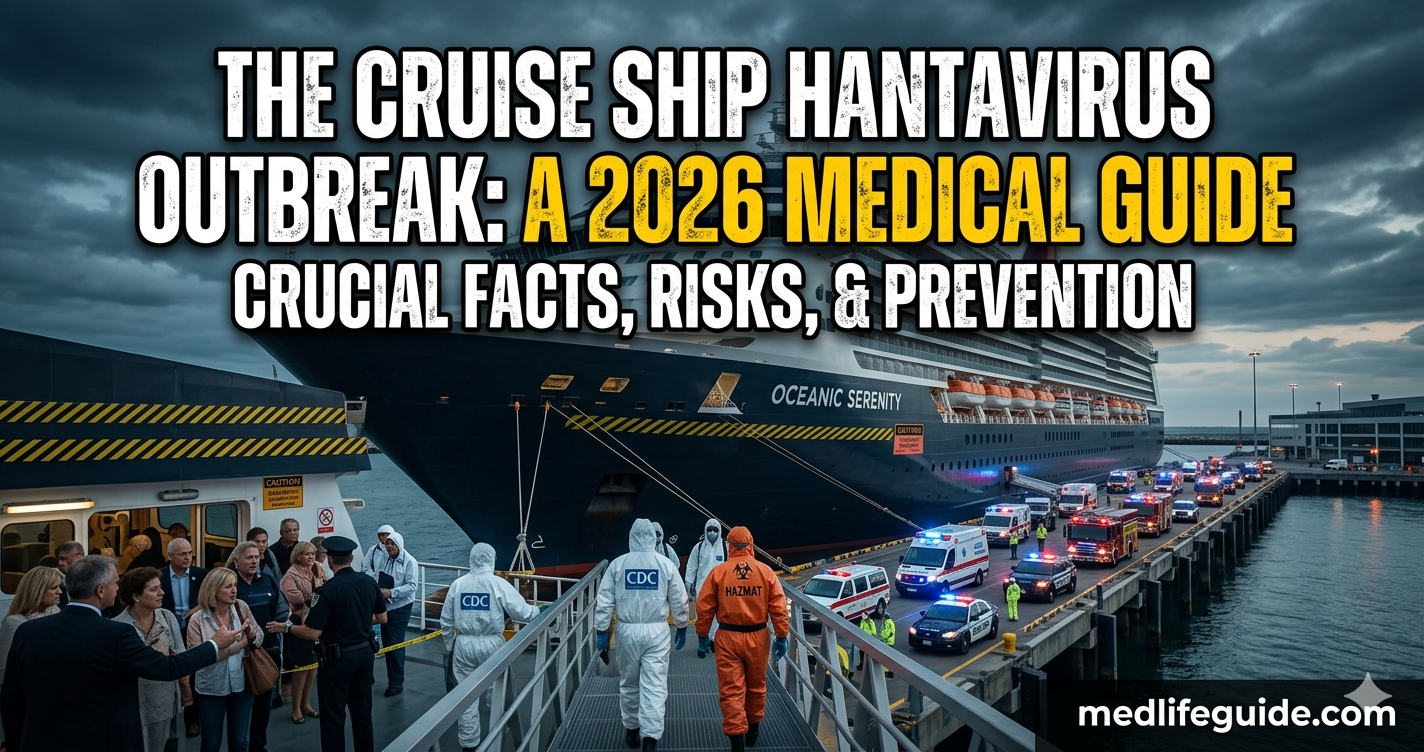
The recent 2026 cruise ship hantavirus outbreak has sent shockwaves through the maritime travel industry. While hantaviruses are typically associated with rural, land-based settings, this multi-country cluster involving the MV Hondius demonstrates the agility of zoonotic diseases. As of May 2026, the World Health Organization (WHO) and the CDC have confirmed several cases of Andes virus (ANDV) among passengers, marking a rare and significant public health event in a closed maritime environment.
Understanding the mechanics of this outbreak is essential for travelers and medical professionals alike. Hantaviruses are a family of viruses spread mainly by rodents. In the Americas, these viruses cause a severe, often fatal lung condition known as Hantavirus Pulmonary Syndrome (HPS).
What is the Cruise Ship Hantavirus Outbreak?
The 2026 outbreak originated on a vessel traveling from Argentina through the South Atlantic. The primary pathogen identified is the Andes virus. Unlike other hantavirus strains, Andes virus is unique because it is the only known strain capable of person-to-person transmission, typically through prolonged close contact.
How the Virus Spreads
Most hantavirus infections occur when humans breathe in “aerosolized” virus. This happens when rodent urine, droppings, or nesting materials are disturbed, sending tiny viral particles into the air.
On a cruise ship, the risk factors shift:
- Initial Exposure: Likely occurred during land excursions in endemic areas (like Argentina or Chile) before boarding.
- Secondary Spread: The closed environment of a ship—shared cabins, dining areas, and ventilation—creates a high-risk setting for the Andes virus to move between individuals.
Symptoms and Stages of HPS
Hantavirus Pulmonary Syndrome (HPS) moves fast. It is often described as having two distinct “phases.” Because the early symptoms look like the common flu, early diagnosis is extremely difficult.
Phase 1: The Prodromal (Early) Stage
This stage usually lasts 3 to 6 days. Symptoms include:
- High Fever and Chills: Sudden onset, often exceeding 101°F.
- Severe Myalgia: Deep muscle aches in the large muscle groups (thighs, back, and shoulders).
- Gastrointestinal Distress: Nausea, vomiting, and sharp abdominal pain are common in Andes virus cases.
Phase 2: The Cardiopulmonary (Late) Stage
This is the “leakage” phase. The virus attacks the lining of the blood vessels in the lungs, causing them to leak fluid into the air sacs.
- Shortness of Breath (Dyspnea): Patients feel like they are suffocating.
- Coughing and Chest Tightness: Indicates fluid accumulation (pulmonary edema).
- Hypotension: A dangerous drop in blood pressure leading to shock.
Unique Clinical Takeaways
The cruise ship hantavirus outbreak presents clinical challenges that differ from typical rural cases. Based on the 2026 incident data, medical staff should note these three critical perspectives:
1. The “Atypical Prodrome” and GI Confusion
In the current cruise ship cluster, many patients initially presented with heavy diarrhea and abdominal cramping. In a maritime setting, medical staff often default to a diagnosis of Norovirus. However, in Andes virus cases, the lack of “projectile” vomiting and the presence of severe muscle aches should serve as a “red flag” to move beyond standard stomach flu protocols and consider HPS.
2. The Window of Human-to-Human Transmission
Unlike the Sin Nombre virus (common in the US), the Andes virus found in this outbreak can spread between people. Clinical evidence suggests the highest risk of transmission occurs during the early symptomatic phase. This means that by the time a passenger is in the ICU with respiratory failure, the window for them to have infected their cabin mates has likely already passed. Immediate “retrospective” isolation of all close contacts is mandatory.
3. Differential Diagnosis: HPS vs. High-Altitude Sickness
For cruise ships engaging in “expedition” travel (such as those visiting the Andes foothills or Antarctic regions), HPS symptoms can mimic High-Altitude Pulmonary Edema (HAPE). Both cause rapid respiratory distress and fluid in the lungs. A key differentiator is the fever; HAPE rarely presents with the high-grade fever and severe muscle pain characteristic of a hantavirus infection.
Treatment and Medical Management
There is currently no cure, vaccine, or specific antiviral drug for hantavirus. Treatment is entirely supportive.
- Early ICU Transfer: Survival rates increase significantly if the patient is moved to an Intensive Care Unit (ICU) before the respiratory system fails.
- Fluid Management: Doctors must be very careful with IV fluids. Because the blood vessels are “leaky,” giving too much fluid can actually worsen the pulmonary edema (fluid in the lungs).
- ECMO Therapy: In the most severe cases of the 2026 outbreak, Extracorporeal Membrane Oxygenation (ECMO) has been used. This machine pumps and oxygenates a patient’s blood outside the body, allowing the heart and lungs to rest.
How to Stay Safe on a Cruise
- Excursion Safety: Avoid entering old, dusty buildings or sheds during South American land tours, as these are prime rodent habitats.
- Hand Hygiene: Frequent handwashing is the best defense against many shipborne illnesses, including the Andes virus.
- Report Early: If you develop a fever or severe muscle aches within 6 weeks of a cruise, notify a doctor immediately and mention your travel history.