
Medically Reviewed and Compiled by Dr. Adam N. Khan, MD.
Understanding the difference between COVID-19 and seasonal influenza is essential for timely diagnosis, isolation decisions, and appropriate treatment. Both are respiratory viral infections. Both can cause fever, cough, fatigue, and body aches. Yet they differ in transmission patterns, complications, testing protocols, and high-risk populations.
This article provides a clinically structured comparison grounded in guidance from major U.S. health authorities and peer-reviewed medical literature. The goal is clear differentiation for patients, caregivers, and healthcare professionals.
Overview: COVID-19 vs Influenza
What Causes Each Illness?
- COVID-19 is caused by the SARS-CoV-2 virus.
- Influenza (Flu) is caused by influenza A and B viruses.
Both spread mainly through respiratory droplets and aerosols. Transmission can also occur through contaminated surfaces, though this is less common.
According to the Centers for Disease Control and Prevention (CDC), both viruses circulate seasonally in the United States, though COVID-19 has shown year-round waves since 2020.
Shared Symptoms
Many early symptoms overlap, making clinical distinction difficult without testing.
Common to Both:
- Fever or chills
- Cough
- Shortness of breath
- Fatigue
- Body aches (myalgia)
- Headache
- Sore throat
- Nasal congestion or runny nose
Both illnesses can range from mild to severe and may require hospitalization in high-risk individuals.
Key Symptom Differences
Although overlapping, certain symptoms appear more frequently in one illness than the other.
Symptoms More Common in COVID-19
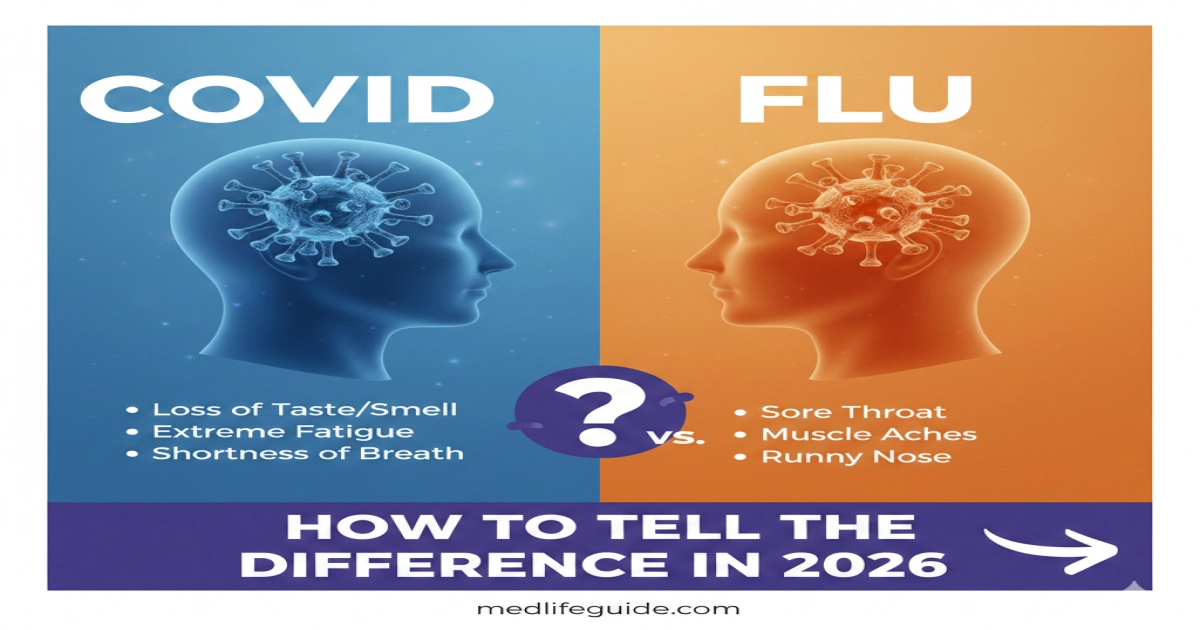
- Loss of taste (ageusia)
- Loss of smell (anosmia)
- Persistent dry cough
- Gastrointestinal symptoms (nausea, diarrhea) in some patients
Loss of taste or smell without nasal congestion became a distinguishing feature early in the pandemic, supported by multiple clinical reports in peer-reviewed studies.
Symptoms More Common in Flu
- Sudden onset of high fever
- More abrupt symptom onset (within hours)
- Prominent muscle aches
- Severe fatigue early in illness
Influenza often presents rapidly, whereas COVID-19 may have a more gradual progression over several days.
Onset and Incubation Period
COVID-19
- Incubation: Typically 2–14 days
- Symptoms may develop gradually
- Contagious before symptom onset
Influenza
- Incubation: 1–4 days
- Rapid onset of symptoms
- Contagious about 1 day before symptoms
The longer incubation window of COVID-19 contributes to broader spread.
Severity and Complications
Both infections can cause complications, particularly in older adults and people with chronic diseases.
COVID-19 Complications
- Pneumonia
- Acute respiratory distress syndrome (ARDS)
- Blood clots (venous thromboembolism)
- Multisystem inflammatory syndrome
- Long COVID (persistent symptoms >4 weeks)
Flu Complications
- Bacterial pneumonia
- Sinus and ear infections
- Worsening of asthma or COPD
- Myocarditis (rare)
COVID-19 has shown higher rates of clotting disorders and systemic inflammation compared to seasonal flu in hospitalized patients, according to large observational data published in peer-reviewed journals.
Testing Differences
Because symptoms overlap, testing is essential.
COVID-19 Testing
- PCR tests
- Rapid antigen tests
- Molecular diagnostic testing
Flu Testing
- Rapid influenza diagnostic tests
- PCR-based flu panels
In clinical practice, multiplex respiratory panels can detect both viruses simultaneously.
Vaccination Comparison
COVID-19 Vaccines
- mRNA vaccines
- Updated boosters targeting variants
Flu Vaccines
- Annual vaccine updated based on predicted circulating strains
Both vaccines significantly reduce severe illness and hospitalization risk according to CDC and NIH data.
Unique Clinical Takeaways
This section addresses deeper, clinically relevant insights beyond basic symptom comparison.
1. Differential Diagnosis in Co-Infection Scenarios
Co-infection with influenza and COVID-19 is possible. Patients presenting with severe respiratory symptoms during peak viral season should not assume single-virus infection. Clinical suspicion must remain high, especially in:
- Immunocompromised patients
- Elderly adults
- Hospitalized individuals
Studies from U.S. hospital systems have documented worse outcomes in co-infected patients compared to single-virus infection.
Clinical Action: Simultaneous testing during respiratory virus season improves treatment decisions and isolation planning.
2. Risk Stratification and Thrombotic Risk
COVID-19 is associated with higher thrombotic risk (deep vein thrombosis, pulmonary embolism) due to inflammatory endothelial injury. Influenza can trigger inflammation but shows lower clotting incidence comparatively.
Patients with:
- Obesity
- Diabetes
- Cardiovascular disease
- History of clotting disorders
require closer monitoring when diagnosed with COVID-19.
Clinical Action: Early risk assessment may influence decisions regarding anticoagulation protocols in hospitalized COVID-19 patients.
3. Long-Term Symptom Burden
Post-viral fatigue can follow both illnesses, but persistent multi-system symptoms lasting months (Long COVID) have been more widely documented with COVID-19.
Common long-term COVID sequelae include:
- Brain fog
- Chronic fatigue
- Shortness of breath
- Autonomic dysfunction
Influenza rarely causes prolonged systemic syndromes beyond recovery.
Clinical Action: Patients with persistent symptoms beyond 4 weeks after COVID-19 require structured follow-up, including pulmonary and cardiac evaluation when indicated.
4. Pediatric Considerations
Children can experience:
- MIS-C (Multisystem Inflammatory Syndrome in Children) after COVID-19
- Febrile seizures more commonly with influenza
Although children often recover well from both illnesses, COVID-19 has demonstrated unique inflammatory complications in pediatric populations.
5. Public Health and Isolation Protocols
Isolation recommendations differ based on evolving CDC guidance.
- COVID-19 isolation protocols historically required longer separation due to prolonged viral shedding.
- Influenza isolation typically aligns with 24 hours after fever resolution.
Understanding updated isolation guidance remains critical for workplace and school return decisions.
When to Seek Medical Care
Immediate medical evaluation is recommended if symptoms include:
- Difficulty breathing
- Chest pain
- Confusion
- Persistent high fever
- Cyanosis (bluish lips)
High-risk groups include:
- Adults over 65
- Pregnant individuals
- Patients with chronic heart, lung, kidney disease
- Immunocompromised individuals
Treatment Differences
COVID-19
- Antiviral therapy (e.g., outpatient antivirals when eligible)
- Steroids in hospitalized patients requiring oxygen
- Supportive care
Influenza
- Oseltamivir (Tamiflu) within 48 hours of symptom onset
- Supportive care
Timing of antiviral therapy is critical for flu. For COVID-19, risk-based eligibility determines treatment.
Hospitalization Rates and Mortality Trends
COVID-19 caused significantly higher hospitalization and mortality rates during peak waves compared to seasonal influenza averages in the United States, according to CDC surveillance data.
However, seasonal influenza remains a serious health threat, causing thousands of deaths annually in the U.S.
Risk severity varies year to year depending on circulating strains and vaccination coverage.
Prevention Strategies
- Annual flu vaccination
- Updated COVID boosters
- Hand hygiene
- Mask use during outbreaks
- Avoiding close contact when symptomatic
- Improving indoor ventilation
Layered prevention strategies reduce transmission of both viruses.
Summary Comparison Table
| Feature | COVID-19 | Influenza |
|---|---|---|
| Incubation | 2–14 days | 1–4 days |
| Onset | Gradual | Sudden |
| Loss of taste/smell | Common | Rare |
| Blood clot risk | Higher | Lower |
| Long-term symptoms | Documented (Long COVID) | Rare |
| Annual vaccine | Updated booster | Annual vaccine |
Medical Disclaimer
This article is for educational purposes only and does not replace professional medical advice, diagnosis, or treatment. Individuals experiencing symptoms should consult a licensed healthcare provider for evaluation and testing.
Explore Medlifeguide