
Medically Reviewed and Compiled by Dr. Adam N. Khan, MD.
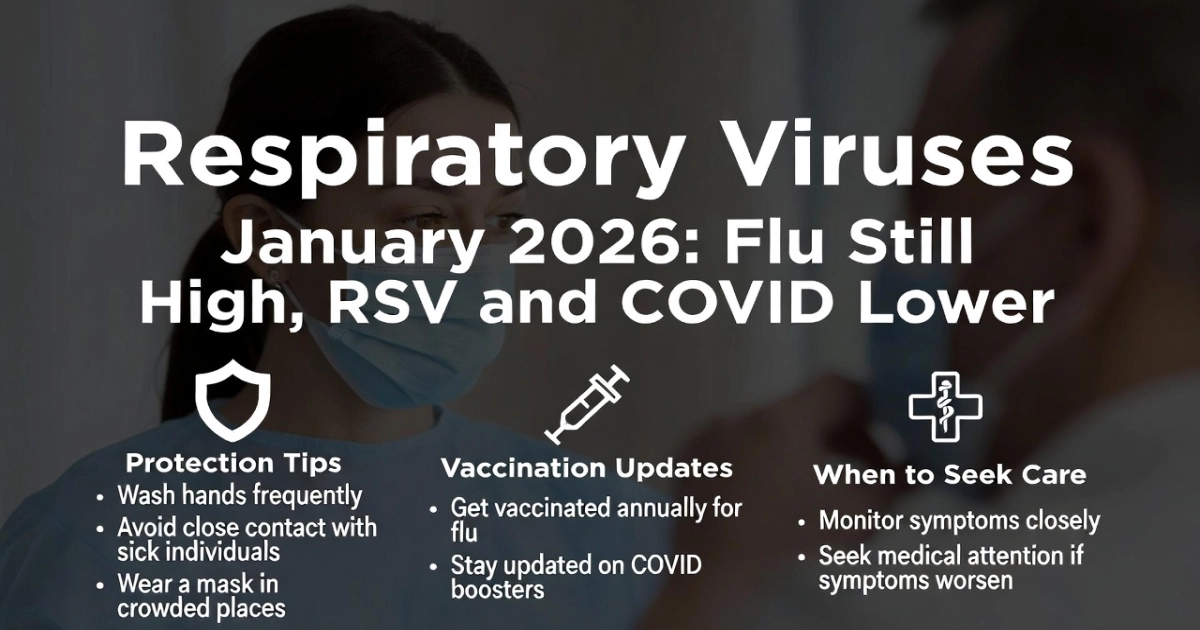
Respiratory viruses in January 2026 remain a major public health concern across the United States. Winter consistently brings higher transmission rates of viral respiratory illnesses due to indoor crowding, lower humidity, and reduced ventilation. Based on established seasonal patterns and guidance from leading U.S. health authorities, the primary circulating respiratory viruses during January typically include influenza, respiratory syncytial virus (RSV), SARS-CoV-2, and common cold viruses such as rhinoviruses and seasonal coronaviruses.
This article provides a structured, evidence-based overview of Respiratory Viruses in January 2026, including transmission patterns, clinical features, risk factors, diagnostic approaches, prevention strategies, and actionable clinical insights.
Overview of Respiratory Viruses in January 2026
Respiratory viruses are pathogens that infect the upper or lower respiratory tract. In January, virus circulation intensifies due to:
- Increased indoor gatherings
- Post-holiday travel
- Lower ambient humidity
- Reduced sunlight exposure
Major Viruses Circulating in January
1. Influenza (Flu)
Seasonal influenza peaks between December and February in most U.S. regions. Influenza A and B strains commonly circulate during this period. Symptoms may include:
- Sudden fever
- Body aches
- Fatigue
- Cough
- Headache
Influenza can lead to pneumonia and hospitalization, especially in high-risk groups.
2. Respiratory Syncytial Virus (RSV)
RSV activity has shown earlier seasonal surges in recent years. RSV significantly affects:
- Infants
- Older adults (≥65 years)
- Immunocompromised patients
Severe cases can cause bronchiolitis or pneumonia.
3. SARS-CoV-2 (COVID-19)
Although emergency phases have subsided, COVID-19 remains endemic. Winter surges continue due to new variants and waning immunity. Symptoms vary from mild upper respiratory illness to severe pneumonia.
4. Rhinoviruses and Seasonal Coronaviruses
These cause the common cold and typically circulate year-round, with winter increases.
Why January Shows Higher Transmission
Several biological and behavioral factors explain seasonal spikes:
Environmental Factors
- Low humidity enhances viral stability and aerosol transmission.
- Cold air may reduce mucosal immune defenses.
Behavioral Factors
- Indoor crowding increases close-contact exposure.
- Schools reopen after holidays, facilitating spread.
- Travel-related mixing of populations.
According to the CDC and peer-reviewed literature, these factors significantly contribute to winter respiratory virus patterns.
Common Symptoms Across Respiratory Viruses
While symptoms overlap, severity varies:
Upper Respiratory Symptoms
- Runny or stuffy nose
- Sore throat
- Sneezing
- Mild cough
Lower Respiratory Symptoms
- Persistent cough
- Shortness of breath
- Chest discomfort
- Wheezing
Systemic Symptoms
- Fever
- Fatigue
- Muscle aches
- Headache
Loss of taste or smell may still occur with certain COVID-19 variants but is less common than earlier in the pandemic.
High-Risk Populations in January 2026
Certain groups remain at higher risk for complications:
- Adults aged 65 and older
- Children under 5 (especially under 1 year)
- Pregnant individuals
- Patients with chronic lung disease
- Individuals with cardiovascular disease
- Immunocompromised patients
In these groups, even mild initial symptoms can progress rapidly.
Diagnostic Approaches in Winter Respiratory Illness
Accurate diagnosis improves management decisions.
Molecular Testing
PCR-based tests detect:
- Influenza
- RSV
- SARS-CoV-2
Multiplex respiratory panels are widely used in outpatient and hospital settings.
Rapid Antigen Tests
Useful for:
- Quick influenza detection
- Home COVID-19 testing
However, sensitivity may be lower than PCR testing.
Clinical Assessment
Providers evaluate:
- Oxygen saturation
- Respiratory rate
- Risk factors
- Duration of symptoms
Testing decisions depend on severity and patient risk profile.
Treatment Strategies
Treatment varies by virus.
Influenza
Antiviral medications such as neuraminidase inhibitors are most effective when started within 48 hours of symptom onset.
COVID-19
Antiviral therapy may be indicated in high-risk individuals based on current CDC and NIH guidance.
RSV
Treatment is supportive in most adults. Preventive monoclonal antibodies are available for certain infants.
Supportive Care
- Hydration
- Rest
- Fever control
- Monitoring for worsening symptoms
Antibiotics are not effective against viral infections unless secondary bacterial infection occurs.
Prevention Strategies in January 2026
Prevention remains the most effective public health tool.
Vaccination
- Annual influenza vaccination
- Updated COVID-19 boosters
- RSV vaccination for eligible older adults
Hygiene Practices
- Frequent handwashing
- Mask use in high-risk settings
- Staying home when symptomatic
- Improving indoor ventilation
Unique Clinical Takeaways
1. Overlapping Symptoms Increase Diagnostic Complexity
Respiratory viruses in January 2026 often present with similar symptoms. Distinguishing influenza from COVID-19 or RSV based solely on symptoms is unreliable. Clinicians must consider:
- Local virus activity data
- Exposure history
- Risk profile
- Vaccination status
Multiplex PCR testing is increasingly valuable in preventing misclassification and inappropriate treatment.
2. Post-Viral Secondary Bacterial Infection Risk
Patients may initially improve and then worsen 5–7 days later. This pattern suggests possible secondary bacterial pneumonia.
Warning signs include:
- Return of high fever
- Productive cough with purulent sputum
- Chest pain
- Oxygen desaturation
This risk is particularly relevant in older adults and patients with chronic disease.
3. Co-Infection and Dual Viral Burden
Co-infection with influenza and COVID-19 has been documented in peer-reviewed studies. Dual infections may increase:
- Hospitalization risk
- Inflammatory response
- Complication rates
Clinical suspicion should remain high during peak circulation periods.
4. Impact on Healthcare System Capacity
January typically places strain on emergency departments. Delayed care due to system overload may worsen outcomes in:
- Elderly patients
- Individuals with asthma or COPD
- Patients requiring oxygen monitoring
Early outpatient evaluation may reduce hospitalization risk.
5. Long-Term Sequelae Considerations
Some respiratory viruses, especially COVID-19, may lead to prolonged symptoms including:
- Persistent fatigue
- Cognitive impairment
- Chronic cough
Long-term follow-up may be required in certain patients.
When to Seek Immediate Care
Urgent medical evaluation is necessary for:
- Shortness of breath
- Oxygen saturation below 94%
- Confusion
- Persistent high fever
- Signs of dehydration in children
High-risk patients should seek care earlier in the illness course.
Public Health Outlook for January 2026
Respiratory viruses in January 2026 are expected to follow established seasonal patterns. Surveillance systems from federal agencies track:
- Hospitalizations
- Positivity rates
- Variant monitoring
Vaccination uptake and adherence to prevention strategies influence severity trends.
Medical Disclaimer
This article is for informational purposes only and does not substitute professional medical advice, diagnosis, or treatment. Patients should consult a licensed healthcare provider for evaluation and personalized medical guidance regarding respiratory symptoms.