
Medically Reviewed and Compiled by Dr. [Adam N. Khan], MD.
Quick Medical Definition
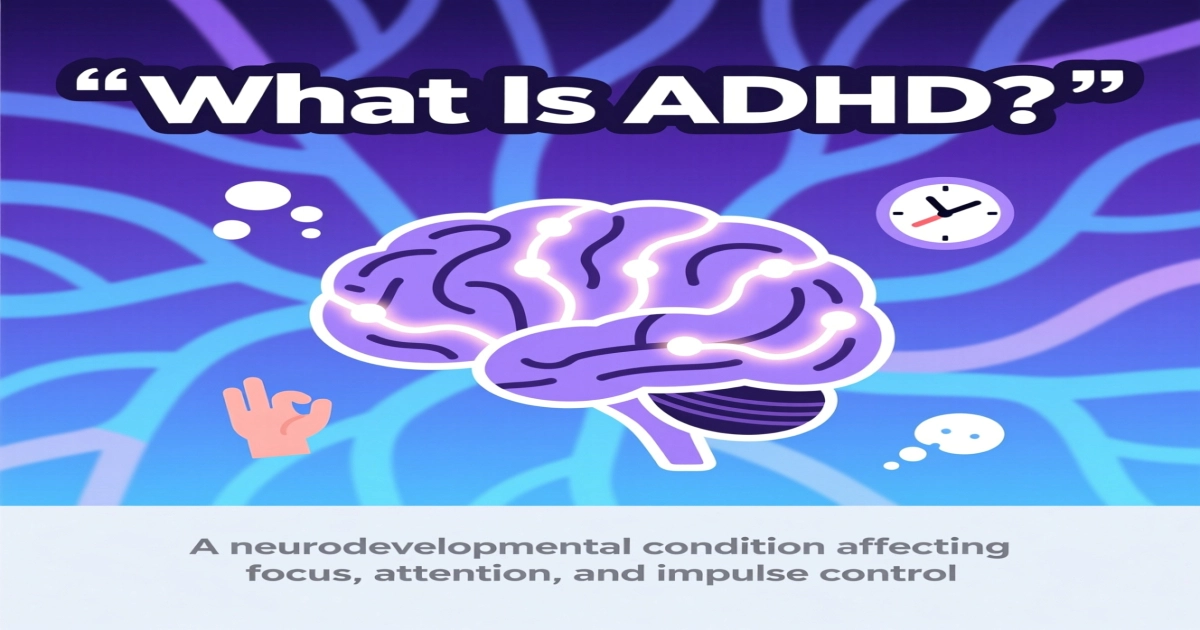
Attention-Deficit/Hyperactivity Disorder (ADHD) is a chronic neurodevelopmental disorder characterized by persistent patterns of inattention, hyperactivity, and impulsivity that interfere with functioning or development. ADHD begins in childhood but often persist
Medically Reviewed and Compiled by Dr. [Adam N. Khan], MD.
Quick Medical Definition
Attention-Deficit/Hyperactivity Disorder (ADHD) is a chronic neurodevelopmental disorder characterized by persistent patterns of inattention, hyperactivity, and impulsivity that interfere with functioning or development. ADHD begins in childhood but often persists into adolescence and adulthood, affecting academic, occupational, social, and emotional outcomes.
Introduction: Understanding ADHD Beyond Stereotypes
ADHD is one of the most extensively studied neurodevelopmental disorders, yet it remains widely misunderstood. Contrary to common misconceptions, ADHD is not caused by poor parenting, lack of discipline, or personal weakness. It is a biologically based condition involving differences in brain structure, function, and neurochemistry.
Globally, ADHD affects children, adolescents, and adults across all socioeconomic and cultural backgrounds. Its manifestations vary significantly by age, sex, environment, and individual neurobiology, making accurate diagnosis and personalized treatment essential.
ADHD as a Neurodevelopmental Disorder
ADHD is classified as a neurodevelopmental disorder in the Diagnostic and Statistical Manual of Mental Disorders (DSM-5-TR). This classification reflects the early onset of symptoms and their association with atypical brain development, particularly in regions responsible for executive function, attention regulation, and impulse control.
Core Neurodevelopmental Features
- Delayed cortical maturation
- Altered dopamine and norepinephrine signaling
- Impaired executive functioning
- Reduced inhibitory control
Types of ADHD
1. ADHD, Predominantly Inattentive Presentation
- Difficulty sustaining attention
- Frequent careless mistakes
- Disorganization
- Forgetfulness
- Poor time management
Commonly underdiagnosed, especially in females.
2. ADHD, Predominantly Hyperactive-Impulsive Presentation
- Excessive fidgeting or restlessness
- Difficulty remaining seated
- Interrupting others
- Impulsive decision-making
- Risk-taking behaviors
More visible in early childhood.
3. ADHD, Combined Presentation
- Features of both inattentive and hyperactive-impulsive types
- Most commonly diagnosed form
- Associated with greater functional impairment
Core Symptoms of ADHD
Inattention Symptoms
- Difficulty sustaining focus
- Poor task completion
- Easily distracted
- Avoidance of mentally demanding tasks
- Frequent loss of necessary items
Hyperactivity Symptoms
- Constant movement or restlessness
- Talking excessively
- Difficulty engaging in quiet activities
- Feeling internally “driven”
Impulsivity Symptoms
- Interrupting conversations
- Difficulty waiting turns
- Acting without considering consequences
- Emotional impulsivity
Symptoms must be present for at least six months, occur in multiple settings, and be developmentally inappropriate.
ADHD Across the Lifespan
ADHD in Children
- Academic underachievement
- Behavioral challenges
- Difficulty following instructions
- Emotional dysregulation
ADHD in Adolescents
- Risk-taking behaviors
- Poor academic performance
- Social difficulties
- Increased risk of substance misuse
ADHD in Adults
- Chronic disorganization
- Time blindness
- Occupational instability
- Relationship strain
- Emotional dysregulation
Up to 60% of individuals diagnosed in childhood continue to experience symptoms into adulthood.
Causes and Risk Factors of ADHD
Genetic Factors
- ADHD is highly heritable (estimated heritability ~70–80%)
- First-degree relatives have increased risk
- Multiple genes involved, particularly dopamine-related genes
Neurobiological Factors
- Reduced activity in prefrontal cortex
- Altered dopamine transporter function
- Delayed cortical maturation
- Abnormal connectivity in attention networks
Prenatal and Perinatal Factors
- Maternal smoking or alcohol exposure
- Premature birth
- Low birth weight
- Prenatal stress
Environmental Contributors
- Early childhood adversity
- Lead exposure
- Severe psychosocial stressors
No credible evidence supports sugar intake, screen time, or vaccines as causes of ADHD.
Neurobiology of ADHD
Brain Regions Involved
- Prefrontal Cortex: executive function deficits
- Basal Ganglia: impaired motor control and reward processing
- Cerebellum: timing and coordination deficits
- Anterior Cingulate Cortex: attention regulation
Neurotransmitters
- Dopamine: motivation, reward, attention
- Norepinephrine: alertness, focus, arousal
ADHD reflects inefficient signaling rather than deficiency alone.
Diagnosis of ADHD
Clinical Diagnostic Criteria
Diagnosis is clinical and based on DSM-5-TR criteria. There is no single laboratory or imaging test for ADHD.
Diagnostic Components
- Comprehensive clinical interview
- Developmental history
- Symptom rating scales
- Functional impairment assessment
- Collateral information (parents, teachers, partners)
Common Diagnostic Tools
- ADHD Rating Scale-5
- Conners Rating Scales
- Adult ADHD Self-Report Scale (ASRS)
Differential Diagnosis
Conditions that can mimic or coexist with ADHD:
- Anxiety disorders
- Major depressive disorder
- Learning disabilities
- Autism spectrum disorder
- Sleep disorders
- Substance use disorders
- Thyroid dysfunction
Accurate diagnosis requires careful differentiation.
Unique Clinical Takeaways
1. ADHD Is Primarily an Executive Function Disorder
ADHD is less about attention deficits and more about impaired executive control, including planning, prioritization, emotional regulation, and task initiation.
Actionable Insight: Treatment plans should target executive function skills, not just attention.
2. Emotional Dysregulation Is a Core but Underrecognized Feature
Many patients experience rapid mood shifts, low frustration tolerance, and emotional impulsivity.
Actionable Insight: Addressing emotional regulation improves interpersonal outcomes and treatment adherence.
3. ADHD Presentation Differs Significantly by Sex
Females are more likely to present with inattentive symptoms and internalizing distress, leading to delayed diagnosis.
Actionable Insight: Clinicians should actively screen for ADHD in females with chronic anxiety or depression.
4. Untreated ADHD Increases Long-Term Health Risks
ADHD is associated with increased rates of:
- Substance use disorders
- Accidental injuries
- Cardiovascular risk behaviors
- Poor occupational outcomes
Actionable Insight: Early diagnosis and treatment reduce lifetime morbidity.
Evidence-Based Treatment of ADHD
Pharmacological Treatment
Stimulant Medications (First-Line)
- Methylphenidate-based
- Amphetamine-based
- Improve dopamine and norepinephrine signaling
- Response rate ~70–80%
Non-Stimulant Medications
- Atomoxetine
- Guanfacine
- Clonidine
Used when stimulants are contraindicated or poorly tolerated.
Behavioral and Psychosocial Interventions
Cognitive Behavioral Therapy (CBT)
- Improves organization, planning, emotional regulation
Behavioral Parent Training
- Improves child behavior and family functioning
Academic and Workplace Accommodations
- Structured routines
- Reduced distractions
- Task chunking
Lifestyle and Supportive Strategies
- Regular physical activity
- Sleep optimization
- Consistent routines
- External organizational aids
- Psychoeducation
ADHD and Comorbid Conditions
Common co-occurring conditions include:
- Anxiety disorders
- Depression
- Learning disabilities
- Autism spectrum disorder
- Oppositional defiant disorder
Integrated treatment is essential for optimal outcomes.
Prognosis and Long-Term Outlook
- ADHD is chronic but manageable
- Early diagnosis improves educational and occupational outcomes
- Treatment reduces risk of secondary psychiatric conditions
- Many adults develop compensatory strategies with support
When to Seek Medical Evaluation
- Persistent attention or behavioral difficulties
- Functional impairment in school, work, or relationships
- Emotional dysregulation or impulsivity
- Academic underachievement despite effort
Early assessment improves outcomes.
Frequently Asked Questions
ADHD is a neurodevelopmental disorder characterized by persistent inattention, hyperactivity, and impulsivity that interfere with daily functioning.
ADHD is a neurodevelopmental condition with psychiatric classification, but it reflects brain-based differences rather than emotional weakness.
Yes. Many adults have persistent ADHD symptoms, often undiagnosed during childhood.
Medical Disclaimer
All content published on medlifeguide is intended for informational and educational purposes only and does not substitute professional medical advice, diagnosis, or treatment. Always consult a qualified healthcare provider regarding any medical condition, symptoms, or treatment decisions.