
Medically Reviewed and Compiled by Dr. Adam N. Khan, MD.
What is Type 2 Diabetes Prevention and Treatment?
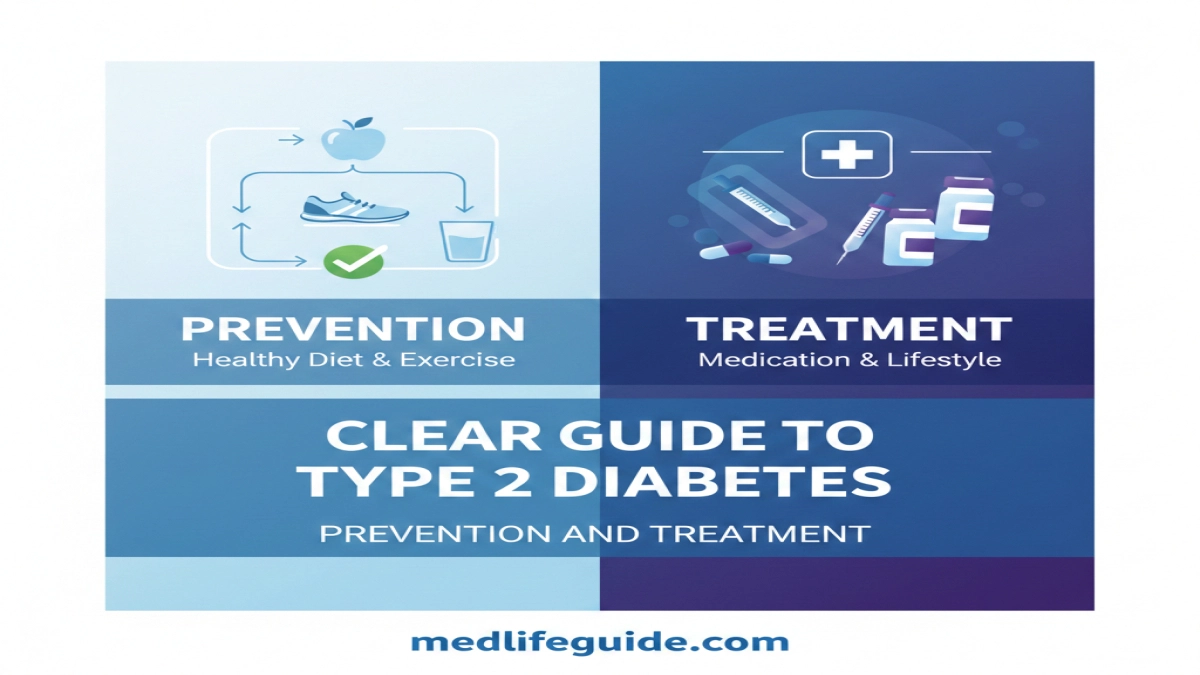
Type 2 diabetes prevention and treatment involves a combination of healthy eating, regular physical activity, and medical care to keep blood sugar levels within a safe range. Prevention focuses on making lifestyle changes—like losing weight and moving more—to stop the disease before it starts. Treatment focuses on managing the condition through diet, oral medications, or insulin to prevent serious health problems like heart disease or nerve damage. By catching symptoms early and staying consistent with daily habits, most people can live a long, healthy life despite a diagnosis.
Understanding the Basics of Type 2 Diabetes
Type 2 diabetes is a condition that affects how your body uses energy. Your body breaks down food into sugar (glucose), which enters your bloodstream. A hormone called insulin acts like a key to let that sugar into your cells to be used for energy.
In Type 2 diabetes, the “lock” on the cells doesn’t work right. This is called insulin resistance. Eventually, the body can’t keep up, and sugar stays in your blood instead of going into your cells. Over time, high blood sugar acts like a slow poison to your organs.
Why Prevention Matters
Preventing diabetes is much easier than treating it. If you are in a stage called “prediabetes,” your blood sugar is high but not yet at the level of full diabetes. This is your warning light. At this stage, your body can still heal, and you can often reverse the damage.
How to Prevent Type 2 Diabetes Naturally
The best way to stop diabetes is to change the environment inside your body. You don’t need a gym membership or expensive “superfoods” to do this.
1. Watch Your Weight
You don’t have to be “thin” to be healthy. Losing just 5% to 7% of your body weight can slash your risk of diabetes. For someone who weighs 200 pounds, that is only 10 to 14 pounds. This small change makes your cells much more sensitive to insulin.
2. Move Your Body
Muscle is the biggest consumer of sugar in your body. When you walk, swim, or dance, your muscles “eat” the sugar in your blood for fuel.
- The Goal: Aim for 30 minutes of brisk walking five days a week.
- The Secret: Don’t sit for more than 30 minutes at a time. Stand up and stretch to keep your metabolism awake.
3. Choose the Right Carbs
Not all carbs are bad, but “simple” carbs like white bread, sugary cereal, and soda hit your bloodstream like a tidal wave.
- Switch to Whole Grains: Use brown rice instead of white rice.
- Fiber is Your Friend: Fiber slows down how fast sugar enters your blood. Eat beans, lentils, and leafy greens.
Modern Treatment Options for Type 2 Diabetes
If you already have a diagnosis, your goal shifts to management. Treatment is not a “one size fits all” plan. It is a partnership between you and your doctor.
Common Medications
- Metformin: Usually the first pill doctors prescribe. It helps your liver produce less sugar and helps your body use insulin better.
- SGLT2 Inhibitors: These help your kidneys get rid of extra sugar through your urine.
- GLP-1 Agonists: These are often shots (like Ozempic or Mounjaro) that slow down digestion and help you feel full, which often leads to weight loss.
Insulin Therapy
Some people think using insulin means they “failed.” That is not true. Sometimes the pancreas simply gets tired and needs a boost. Using insulin is just another tool to keep your body safe.
The Role of Diet in Treatment
Eating for diabetes isn’t about “never eating sugar again.” It’s about balance.
| Food Group | What to Choose | What to Limit |
| Proteins | Chicken, Fish, Tofu, Eggs | Fried meats, Deli meats |
| Fats | Avocado, Olive oil, Nuts | Butter, Lard, Trans fats |
| Vegetables | Broccoli, Spinach, Peppers | Potatoes (in large amounts) |
| Fruits | Berries, Apples (with skin) | Juice, Canned fruit in syrup |
The “Plate Method”
A simple way to eat is to look at your plate. Fill half with non-starchy vegetables (salad, green beans). Fill one-quarter with lean protein. Fill the last one-quarter with a healthy starch like a sweet potato or quinoa.
Monitoring and Checkups: Staying Ahead
You cannot manage what you do not measure.
- A1C Test: This is a blood test that shows your average blood sugar over the last three months. Most people aim for a score below 7%.
- Daily Testing: Some people use a small poke on the finger or a Continuous Glucose Monitor (CGM) that sticks to the arm. This helps you see how specific foods affect your body in real-time.
Lifestyle Adjustments for Long-Term Success
Treating diabetes is a marathon, not a sprint. To stay healthy over twenty or thirty years, you need to look at the “hidden” factors.
Stress and Sleep
When you are stressed or tired, your body releases cortisol. This hormone tells your liver to dump more sugar into your blood for energy (the “fight or flight” response).
- Sleep: Try to get 7–8 hours of sleep.
- Relax: Even five minutes of deep breathing can lower your blood sugar.
Support Systems
It is hard to change your life alone. Joining a support group or talking to a dietitian can give you the emotional strength to keep going when things get tough.
Summary of Key Takeaways
- Early Action: Prevention starts with small weight loss and daily movement.
- Smart Eating: Focus on fiber and whole grains while limiting liquid sugars.
- Medical Help: Use medications as tools, not punishments.
- Consistency: Checking blood sugar and attending doctor visits prevents complications like foot or eye problems.
Medical Disclaimer
All content published on medlifeguide is intended for informational and educational purposes only and does not substitute professional medical advice, diagnosis, or treatment. Always consult a qualified healthcare provider regarding any medical condition, symptoms, or treatment decisions.