
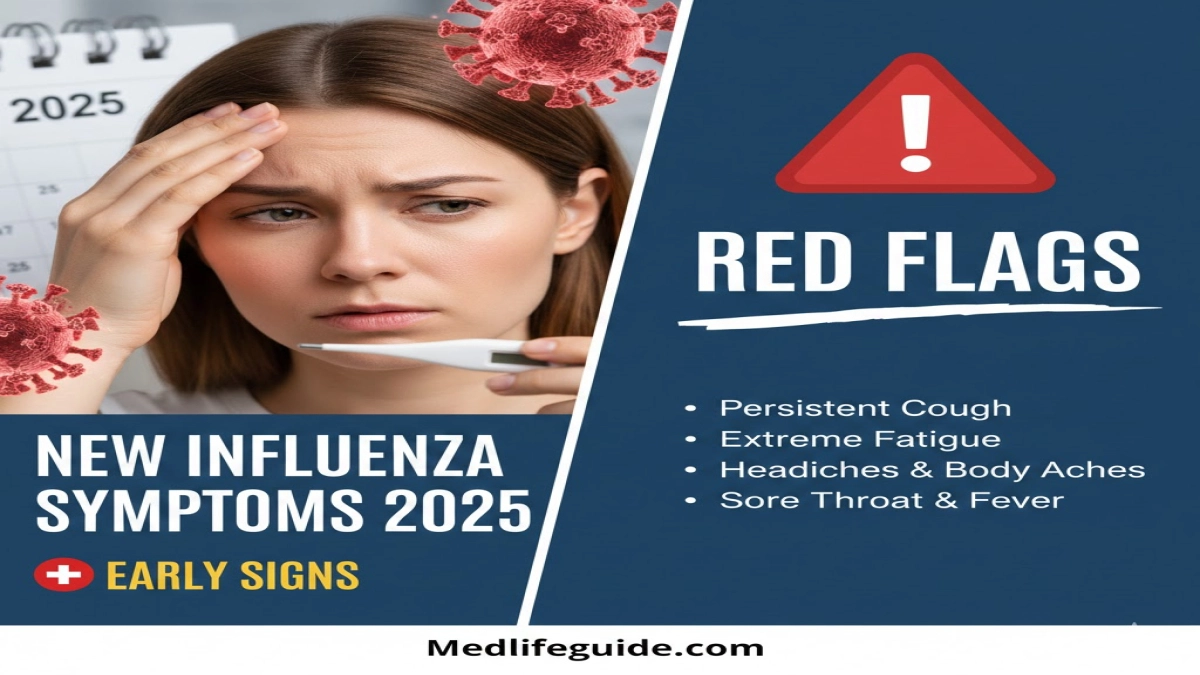
New Influenza Symptoms in 2025: What Doctors Are Seeing Now

Medically Reviewed and Compiled by Dr. Adam N. Khan, MD.

Influenza in 2025 still looks familiar, but doctors are noticing shifts. Symptoms are starting faster, lasting longer in some people, and showing up outside the lungs more often. Digestive issues, neurologic symptoms, and extreme fatigue are being reported more than in past seasons. This guide breaks down whatโ€™s new, what hasnโ€™t changed, and what actually matters for patients.


What Is Influenza and Why 2025 Is Different

Influenza, or the flu, is a viral respiratory illness caused mainly by influenza A and B viruses. Every year, the virus mutates. Most changes are small. Some affect how fast symptoms appear, how severe they feel, or which body systems are involved.

What makes 2025 stand out is not a brand-new virus, but a pattern doctors are seeing across clinics and hospitals:

  • Faster symptom onset after exposure
  • More non-respiratory symptoms
  • Wider age groups experiencing moderate to severe illness
  • Longer recovery time, even in healthy adults

These changes matter because people may delay care, misread symptoms, or confuse flu with other infections.


New Influenza Symptoms 2025: What Patients Are Reporting

Letโ€™s start with the core symptoms. Many are familiar, but the way they show up is shifting.

Classic Flu Symptoms Still Common

These remain the most reported signs:

  • Sudden fever or chills
  • Dry or productive cough
  • Sore throat
  • Body aches and joint pain
  • Headache
  • Profound fatigue

Whatโ€™s different is the intensity and timing. Fever and fatigue are often more abrupt and severe within the first 24 hours.

Newly Emphasized and More Frequent Symptoms in 2025

Gastrointestinal Symptoms

Doctors are seeing more flu patients with:

  • Nausea
  • Vomiting
  • Diarrhea
  • Abdominal cramping

These symptoms used to be more common in children. In 2025, adults are reporting them more often, sometimes without strong respiratory symptoms at first.

Neurologic and Cognitive Symptoms

Some patients describe:

  • Brain fog
  • Trouble concentrating
  • Dizziness or lightheadedness
  • Heightened sensitivity to light

These symptoms can appear early and may persist even after fever resolves.

Extreme Fatigue and Post-Flu Weakness

Fatigue is not new, but in 2025 it is:

  • More intense
  • Longer lasting
  • Disproportionate to fever severity

Some patients need weeks to return to normal energy levels.


Early Warning Signs That Should Not Be Ignored

Hereโ€™s the thing. Flu symptoms are not always mild. Certain signs suggest complications or higher risk.

Red Flags in Adults

  • Fever lasting more than three days
  • Shortness of breath at rest
  • Chest pain or pressure
  • Confusion or sudden mental changes
  • Severe weakness or inability to stand

Red Flags in Children

  • Rapid breathing
  • Bluish lips or skin
  • Refusal to drink fluids
  • Persistent vomiting
  • Unusual sleepiness or irritability

If these appear, medical care should not wait.


How New Influenza Symptoms 2025 Differ From COVID and RSV

Misdiagnosis is common because symptoms overlap. Hereโ€™s a practical breakdown.

Influenza vs COVID

  • Flu symptoms often start suddenly within 1 to 2 days
  • COVID symptoms may develop more gradually
  • Loss of taste or smell is still more specific to COVID
  • Body aches and high fever are often stronger with flu

Influenza vs RSV

  • RSV more often causes wheezing and breathing distress in young children
  • Flu causes higher fever and systemic symptoms
  • Adults usually tolerate RSV better than flu

Testing remains the only reliable way to confirm the cause.


Who Is at Higher Risk in 2025

Risk factors have not changed, but their impact has.

High-Risk Groups

  • Adults over 65
  • Children under 5
  • Pregnant individuals
  • People with asthma, COPD, heart disease, or diabetes
  • Immunocompromised patients

Emerging Observations

Clinicians are also seeing more severe flu in:

  • Adults aged 30 to 50 with high stress or poor sleep
  • People with obesity or metabolic syndrome
  • Individuals recovering from recent viral infections

These patterns suggest immune resilience matters more than age alone.


Unique Clinical Takeaways

This section goes beyond symptom lists. These are practical insights doctors are applying in real-world care.

1. Symptom Order Matters More Than Symptom Type

In 2025, many flu patients report fatigue and body aches before cough or sore throat. This early systemic phase is easy to dismiss as stress or poor sleep. Clinicians are now paying closer attention to the order symptoms appear, not just which ones show up.

Actionable takeaway: Sudden exhaustion with fever, even without cough, should raise suspicion for influenza.


2. Digestive Symptoms Can Delay Diagnosis

Patients with nausea or diarrhea are often treated for food poisoning or stomach viruses first. By the time flu is considered, antiviral treatment windows may be missed.

Actionable takeaway: During flu season, unexplained GI symptoms plus fever should prompt flu testing, especially in high-risk patients.


3. Recovery Time Is a Diagnostic Clue

Many viral illnesses resolve within days. In 2025, influenza recovery is often slower, with lingering fatigue or weakness.

Actionable takeaway: If symptoms improve but energy does not return after 10 to 14 days, follow-up care is warranted to rule out complications like pneumonia or post-viral inflammation.


How Influenza Is Diagnosed in 2025

Diagnosis combines clinical judgment with testing.

Common Diagnostic Tools

  • Rapid influenza diagnostic tests
  • Molecular PCR testing
  • Chest imaging if complications are suspected

Testing early improves accuracy and treatment outcomes.


Treatment Options and What Has Not Changed

Despite new symptom patterns, treatment remains familiar.

Antiviral Medications

  • Most effective when started within 48 hours
  • Can reduce symptom severity and duration
  • Especially important for high-risk groups

Supportive Care

  • Rest and hydration
  • Fever control with approved medications
  • Monitoring for worsening symptoms

Antibiotics are not effective unless a bacterial infection develops.


Prevention Still Works

Vaccination remains the most effective prevention strategy.

Why the Flu Shot Still Matters

  • Reduces severity even if infection occurs
  • Lowers hospitalization risk
  • Protects vulnerable populations

Hand hygiene, mask use during outbreaks, and staying home when sick continue to matter.


When to Seek Medical Care

Do not wait if symptoms escalate or red flags appear. Early care reduces complications and speeds recovery.


The recent Nipah virus outbreak has raised concerns globally due to its high death rate and potential for rapid spread. This deadly Nipah virus, a zoonotic virus, poses a significant threat to health security, requiring increased vigilance and robust disease control measures.

Nipah Virus Spread

The Nipah outbreak is a serious concern, as the deadly virus can lead to severe symptoms and has a high fatality rate. Understanding the transmission of Nipah is crucial for effective disease control and prevention. The Centers for Disease Control (CDC) and the World Health Organization are closely monitoring the situation.

Geographical Areas Affected

The Nipah virus outbreak in India sparks concern, particularly in the eastern state of West Bengal and neighboring Bangladesh. These regions have historically been vulnerable due to the presence of fruit bats, which act as natural reservoirs for the pathogen. Cases of the deadly Nipah have been reported in these areas, necessitating immediate quarantine and health security measures.

Transmission Methods

Transmission of Nipah primarily occurs through spread from animals to humans, specifically via direct contact with infected animals like pigs or contaminated food, such as raw date palm sap. Fruit bats contaminate the sap, making it a source of Nipah virus infection. Understanding these transmission routes is vital for implementing effective disease control strategies.

Risk Factors for Infection

Several risk factors increase the likelihood of Nipah virus infection. These include:

  • Direct contact with infected animals
  • Consuming contaminated food
  • Exposure to the bodily fluids of infected individuals

People working with pigs or consuming raw date palm sap are particularly vulnerable. The severity of Nipah virus infection ranges from mild to severe neurological symptoms like encephalitis and seizures, potentially leading to coma.

Symptoms of Nipah Virus Infection

Initial Symptoms to Watch

Here’s what to look for initially, as the first signs of a Nipah virus infection often resemble the flu. These early symptoms may include:

  • Fever
  • Headache
  • Muscle pain
  • Sore throat

As the Nipah virus progresses, individuals may experience drowsiness, disorientation, and mental confusion. Recognizing these symptoms early is critical for prompt diagnosis and intervention, especially during a Nipah virus outbreak.

Severe Symptoms and Complications

As a Nipah virus infection progresses, severe symptoms and complications can arise, posing a significant threat to life. Neurological symptoms such as encephalitis and seizures become apparent, potentially leading to coma. Respiratory distress is also common, with patients developing acute respiratory distress syndrome (ARDS). The high death rate associated with the deadly Nipah virus underscores the importance of intensive care and supportive treatments for Nipah.

Symptoms in Different Populations

Symptoms of Nipah virus infection can vary across different populations. Children may present with more prominent respiratory symptoms, while adults are more likely to develop neurological symptoms. The severity of Nipah can also vary depending on an individual’s overall health and immune status. Understanding these differences is vital for tailored clinical management and effective disease control, particularly during a deadly Nipah virus outbreak.

Health Officials’ Response

Monitoring and Surveillance

In response to a Nipah virus outbreak, health officials implement stringent monitoring and surveillance measures. These measures typically involve several key actions, including:

  • Active case finding
  • Contact tracing
  • Laboratory testing to identify and isolate infected individuals

The Centers for Disease Control (CDC) and the World Health Organization play a crucial role in providing technical support and guidance. Such monitoring is essential for effective disease control and prevention.

Public Health Recommendations

Public health recommendations during a Nipah virus outbreak focus on preventing transmission and minimizing the risk of infection. Recommendations include avoiding direct contact with infected animals, consuming contaminated food, and practicing good hygiene. Public awareness campaigns are crucial to educate communities about the risks of Nipah and promote preventive measures. Health security greatly relies on following safety instructions.

Emergency Measures in Affected Areas

In affected areas, emergency measures are implemented to contain the spread of the deadly virus. Quarantine zones may be established to restrict movement and prevent further transmission of Nipah. Healthcare facilities are equipped and prepared to manage cases of the deadly Nipah virus, providing supportive care and implementing infection control protocols. Vaccination campaigns, if a vaccine is available, may be initiated to protect at-risk populations.

Vaccine or Cure for Nipah Virus

Current Research and Development

Current research and development efforts are focused on creating an effective vaccine and antiviral treatments for Nipah virus infection. Scientists are exploring various approaches, including subunit vaccines, viral vector vaccines, and monoclonal antibodies. These endeavors aim to develop a reliable medical countermeasure to combat the deadly Nipah virus, which is essential for mitigating the impact of future outbreaks of Nipah.

Approved Vaccine Status

As of now, there is no approved vaccine specifically for human use against the Nipah virus infection. However, a veterinary vaccine is available for pigs in some regions, which helps reduce the spread from animals to humans. The absence of a human vaccine underscores the urgency of ongoing research to develop a safe and effective vaccine to protect vulnerable populations from the deadly Nipah virus.

Challenges in Vaccine Distribution

Challenges in vaccine distribution for Nipah virus outbreaks include the need for rapid deployment in remote areas, maintaining the cold chain for vaccine storage, and ensuring equitable access to vaccines for all affected populations. Logistical hurdles, such as inadequate infrastructure and limited resources, can impede the timely delivery of vaccines, hindering effective disease control during outbreaks of the deadly Nipah virus.

Pathogen by the World Health Organization

Classification of the Nipah Virus

The World Health Organization (WHO) classifies the Nipah virus as a biosafety level 4 pathogen, indicating its high risk of causing severe disease and the need for stringent containment measures. The pathogen, transmitted from animals to humans, falls under the Paramyxoviridae family, closely related to the Hendra virus. The deadly virusโ€™s classification emphasizes the critical importance of health security protocols.

Global Health Implications

The global health implications of the deadly Nipah virus are significant due to its high death rate and potential to cause outbreaks of Nipah with international spread. The virus poses a threat to public health security, requiring coordinated efforts from international organizations and national governments for surveillance, prevention, and control. The outbreaks highlight the need for preparedness and research.

Future Preparedness Strategies

Future preparedness strategies for Nipah virus outbreaks must prioritize early detection, rapid response, and effective disease control measures. This includes strengthening surveillance systems, improving diagnostic capabilities, developing and stockpiling medical countermeasures, and enhancing public health infrastructure. Furthermore, community engagement and risk communication are essential components for mitigating the impact of Nipah and protecting global health security. These measures will help prevent future outbreaks of Nipah.

Medical Disclaimer

All content published on medlifeguide is intended for informational and educational purposes only and does not substitute professional medical advice, diagnosis, or treatment. Always consult a qualified healthcare provider regarding any medical condition, symptoms, or treatment decisions.