
Medically Reviewed and Compiled by Dr. Adam N. Khan, MD.
Kidney Infection: Symptoms, Causes, and Effective Treatment
A kidney infection (also known as pyelonephritis) is a painful type of urinary tract infection (UTI) that reaches one or both of your kidneys. It usually starts when bacteria enter the tube where urine leaves your body and travels up to the kidneys.
Common symptoms include fever, back pain, and frequent urination. Because this can lead to permanent damage or life-threatening sepsis, doctors usually treat it quickly with antibiotics. If you feel sharp pain in your side or have a high fever with a UTI, you should see a doctor immediately.
What Exactly is a Kidney Infection?
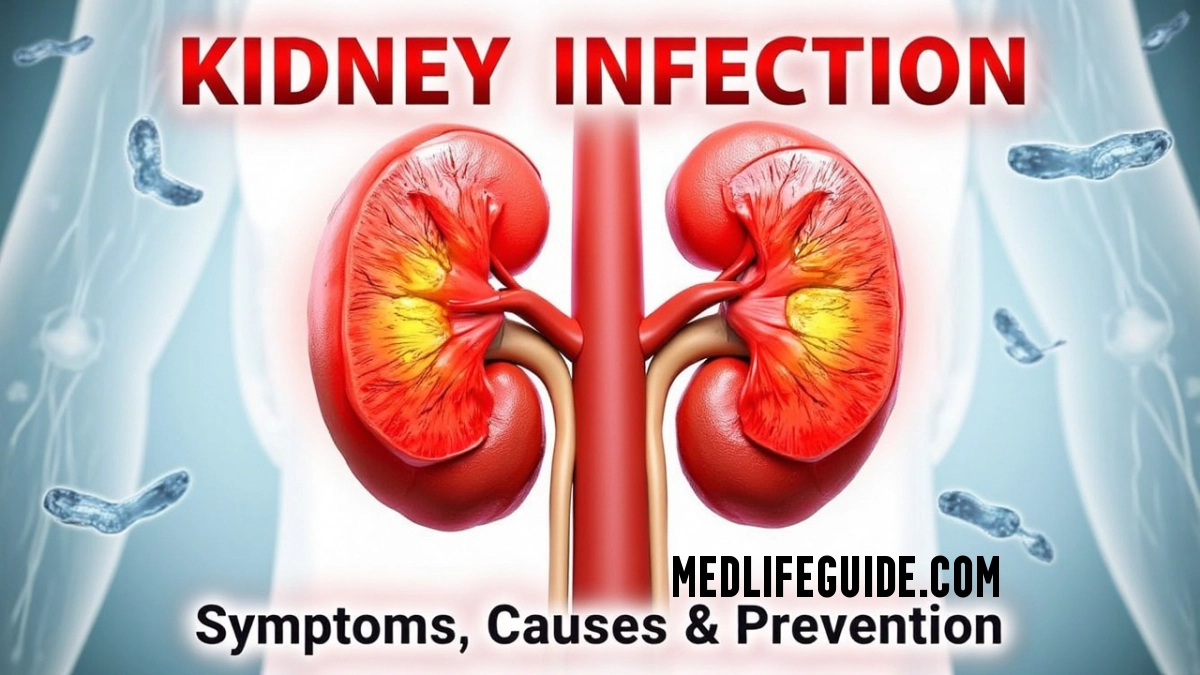
To understand a kidney infection, you have to look at how your body handles waste. Your kidneys are two bean-shaped organs located just below your rib cage on either side of your spine. Their main job is to filter your blood, remove extra water, and turn waste into urine.
When bacteria get into this “filtration system,” they can cause inflammation. While most UTIs stay in the bladder (cystitis), a kidney infection is a step up. It is considered a complicated UTI. Think of your bladder as the front door and your kidneys as the heart of the home; once the “intruder” bacteria reach the kidneys, the situation becomes much more serious.
Recognizing the Symptoms Early
The body is very good at signaling when something is wrong with the kidneys. Unlike a mild bladder infection, kidney infection symptoms often make you feel “systemically” ill—meaning your whole body feels the impact.
Common Signs to Watch For:
- Fever and Chills: This is often the first sign that the infection has moved beyond the bladder.
- Pain in Your Side or Back: This is known as “flank pain.” It usually feels like a dull, deep ache just below the ribs.
- Frequent Urination: Feeling like you have to go every five minutes, even if nothing comes out.
- Burning Sensation: Pain or a stinging feeling when you pee.
- Cloudy or Foul-Smelling Urine: Your urine might look dark, “milky,” or have a very strong odor.
- Blood in Urine: This is called hematuria and happens when the infection causes irritation in the lining of the urinary tract.
- Nausea and Vomiting: Many people feel sick to their stomach because the body is fighting a heavy bacterial load.
Important Note: In older adults, the only sign of a kidney infection might be confusion or acting “foggy.” They may not get a fever at all.
Primary Causes: How Does It Happen?
Most kidney infections are caused by E. coli, a type of bacteria that normally lives in your intestines. It isn’t dangerous in your gut, but it causes big problems if it gets into your urinary system.
1. Upward Movement (Ascending Infection)
This is the most common cause. Bacteria enter the urethra (the tube you pee out of), move into the bladder, and then “climb” the ureters (the tubes connecting the bladder to the kidneys).
2. Bloodstream Infections
In rare cases, an infection in another part of your body (like an infected heart valve or an artificial joint) can travel through your blood and settle in your kidneys.
3. Surgery or Catheters
If you recently had bladder or kidney surgery, or if you use a catheter to drain urine, bacteria can be introduced into the system more easily.
Risk Factors: Who Is Most at Risk?
Anyone can get a kidney infection, but certain factors make it much more likely:
- Being Female: Women have a shorter urethra than men. This means bacteria don’t have to travel as far to reach the bladder and kidneys.
- Urinary Tract Blockages: Anything that slows the flow of urine, such as a kidney stone or an enlarged prostate, gives bacteria time to grow.
- Weakened Immune System: Conditions like diabetes or HIV make it harder for the body to fight off invading germs.
- Nerve Damage: If the nerves around the bladder are damaged (from a spinal cord injury, for example), you might not feel when your bladder is full, leading to bacteria buildup.
- Vesicoureteral Reflux (VUR): This is a condition, often found in children, where urine flows backward from the bladder up toward the kidneys.
Effective Treatment Options
You cannot “flush out” a kidney infection with just water or cranberry juice. Because it is a bacterial infection in a vital organ, medical intervention is mandatory.
1. Antibiotics: The First Line of Defense
Doctors will prescribe a course of antibiotics. Even if you start feeling better after two days, you must finish the entire bottle. If you stop early, some bacteria might survive and become “superbugs” that are much harder to kill later.
2. Pain Management
Over-the-counter medicines like acetaminophen (Tylenol) can help with fever and back pain. However, avoid ibuprofen (Advil) unless your doctor says it’s okay, as it can sometimes stress the kidneys further during an active infection.
3. Hospitalization
If the infection is severe, if you are pregnant, or if you cannot keep fluids down due to vomiting, you may need to stay in the hospital. There, doctors can give you IV fluids and antibiotics directly into your vein for faster action.
Prevention: Keeping Your Kidneys Safe
Prevention is always better than a cure. Here are simple, human steps you can take to keep your urinary tract clean:
- Hydrate, Hydrate, Hydrate: Drinking plenty of water helps wash bacteria out of your system before they can settle in.
- Don’t “Hold It”: Go to the bathroom as soon as you feel the urge. Letting urine sit in the bladder gives bacteria a place to breed.
- Urinate After Sex: This helps flush out any bacteria that may have been pushed into the urethra during activity.
- Wipe Front to Back: This is vital for women to prevent fecal bacteria from reaching the urinary opening.
- Manage Diabetes: Keeping your blood sugar in check helps your immune system stay strong and prevents sugar from ending up in your urine (which bacteria love to eat).
[Image showing a glass of water and a list of preventive habits like ‘Wipe front to back’]
When to See a Doctor
If you have a simple UTI (burning when you pee), call your doctor. But if you develop the following “red flag” symptoms, head to urgent care or the ER:
- High fever and shaking chills.
- Severe pain in the side, back, or abdomen.
- Uncontrollable vomiting.
- Visible blood in the urine.
Summary Table: Bladder vs. Kidney Infection
| Feature | Bladder Infection (Cystitis) | Kidney Infection (Pyelonephritis) |
| Pain Location | Pelvis / Lower Abdomen | Mid-Back / Side (Flank) |
| Fever | Rare | Very Common (High) |
| Nausea | No | Yes |
| Urgency | Yes | Yes |
| Severity | Mild to Moderate | Medical Emergency |
Understanding the Long-Term Outlook
With prompt treatment, most people recover from a kidney infection within one to two weeks. However, ignoring the signs can lead to kidney scarring, which causes chronic kidney disease or high blood pressure later in life. In extreme cases, the bacteria can enter the blood (sepsis), which is a life-threatening emergency.
By staying hydrated and listening to your body’s signals, you can protect these vital organs. Your kidneys do a lot for you—make sure you return the favor by taking care of them.
Medlifeguide give information about also kidney diseases, chronic kidney disease (CKD) and also diet plans for kidney health; reach out to acheive these information for your and your family’s health
Medical Disclaimer
All content published on medlifeguide is intended for informational and educational purposes only and does not substitute professional medical advice, diagnosis, or treatment. Always consult a qualified healthcare provider regarding any medical condition, symptoms, or treatment decisions.