
Medically Reviewed and Compiled by Dr. Adam N. Khan, MD.
Influenza A is not just a seasonal inconvenience. It is a fast-spreading viral infection that can lead to serious illness, hospital stays, and even death, especially in high-risk groups. The good news is that most cases are preventable. What this really comes down to is knowing how the viru
Medically Reviewed and Compiled by Dr. Adam N. Khan, MD.
Influenza A is not just a seasonal inconvenience. It is a fast-spreading viral infection that can lead to serious illness, hospital stays, and even death, especially in high-risk groups. The good news is that most cases are preventable. What this really comes down to is knowing how the virus spreads, who is most at risk, and which prevention steps actually work in real life.
This guide breaks down influenza A preventions in a clear, practical way. No scare tactics. No vague advice. Just steps that are backed by medical evidence and used every day in clinical practice.
What Is Influenza A and Why Prevention Matters
Influenza A is a type of flu virus that infects humans and animals. It is responsible for most flu outbreaks and pandemics. Unlike some mild respiratory viruses, influenza A can change its structure over time, which is why prevention needs to be ongoing, not one-and-done.
How Influenza A Spreads
The virus spreads mainly through:
- Respiratory droplets from coughing, sneezing, or talking
- Close contact with infected people
- Touching contaminated surfaces and then touching the face
Once exposed, symptoms can appear within one to four days. People can spread the virus even before they feel sick. That is one reason prevention is so important.
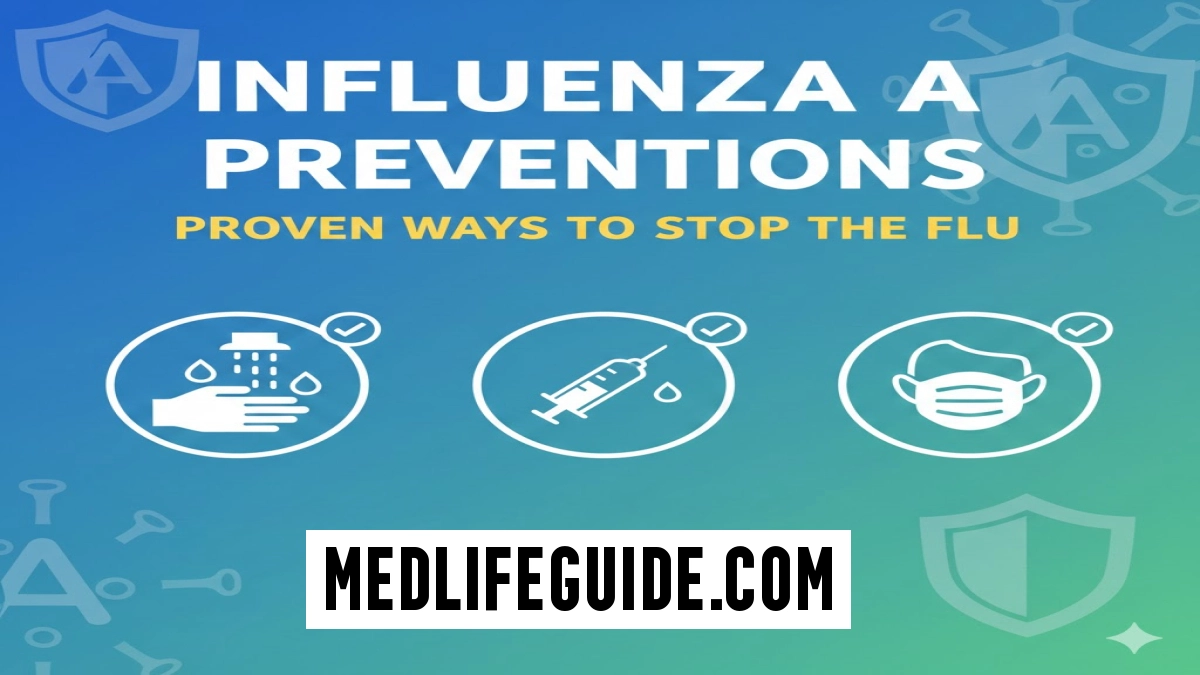
Core Influenza A Preventions Everyone Should Follow
Annual Influenza Vaccination
The flu vaccine is the most effective way to prevent influenza A. It does not guarantee zero risk, but it significantly lowers the chance of infection, severe illness, and complications.
Key points to know:
- Updated every year to match circulating strains
- Safe for most adults and children over six months
- Reduces hospitalizations and deaths, especially in older adults
Even when the vaccine does not fully prevent infection, it often makes symptoms milder and recovery faster.

Proper Hand Hygiene
Handwashing sounds basic, but it works. Soap and water physically remove viruses from the skin.
Best practices:
- Wash for at least 20 seconds
- Focus on palms, fingertips, and under nails
- Use alcohol-based sanitizer when soap is not available
This is especially important after being in public places or touching shared surfaces.
Mask Use in High-Risk Settings
Masks are not just for pandemics. During flu season, they reduce exposure in crowded or poorly ventilated spaces.
Mask use is especially helpful:
- In hospitals and clinics
- On public transport
- When caring for someone with flu symptoms
A well-fitted mask limits both inhaling and spreading viral particles.
Strengthening the Immune System Against Influenza A
Sleep and Recovery
Lack of sleep weakens immune defenses. People who sleep fewer than six hours a night are more likely to catch respiratory infections.
Aim for:
- 7 to 9 hours of sleep for adults
- Consistent sleep and wake times
Good sleep improves vaccine response and shortens illness duration.
Nutrition and Hydration
No food can cure the flu, but proper nutrition supports immune function.
Focus on:
- Protein for immune cell repair
- Fruits and vegetables rich in vitamins A, C, and E
- Adequate fluids to maintain mucus barriers
Malnutrition increases flu severity, especially in older adults.
Physical Activity
Moderate exercise boosts immune surveillance. Overtraining can do the opposite.
The goal is balance:
- Regular walking or light workouts
- Avoid intense exercise when sick
Influenza A Preventions in High-Risk Groups
Older Adults
People over 65 are more likely to develop pneumonia, heart complications, and severe dehydration from influenza A.
Prevention priorities:
- High-dose or adjuvanted flu vaccines
- Early medical care for symptoms
- Avoiding crowded indoor settings during peak flu season
Children
Children spread influenza efficiently and may develop complications like ear infections or croup.
Key steps:
- Timely vaccination
- Teaching proper hand hygiene
- Keeping sick children home from school
Pregnant Individuals
Influenza A increases the risk of preterm birth and severe respiratory illness during pregnancy.
Vaccination during pregnancy:
- Protects both parent and newborn
- Is safe in all trimesters
Unique Clinical Takeaways
1. Prevention Is Different for Caregivers Than for Patients
People caring for flu patients face repeated exposure. In clinical settings, we see caregivers get sick not from one mistake, but from small repeated lapses.
Actionable insight:
- Caregivers should mask consistently, not occasionally
- Hand hygiene must occur before and after every interaction
- Separate sleeping areas when possible
This layered approach cuts transmission risk dramatically.
2. Influenza A Often Triggers Chronic Disease Flares
Influenza A does not only cause respiratory symptoms. It frequently worsens existing conditions like asthma, COPD, heart failure, and diabetes.
What this means:
- Prevention is more critical for people with chronic illness
- Flu vaccination reduces hospitalizations for heart attacks and strokes
- Early antiviral treatment can prevent disease flare-ups
Prevention here is not just about avoiding flu. It is about avoiding dangerous complications.
3. Not All Flu-Like Illness Is Influenza A
Many patients assume they have influenza A when symptoms appear. In reality, RSV, COVID-19, and other viruses can look similar.
Clinical perspective:
- Prevention strategies overlap but are not identical
- Vaccination protects only against influenza, not other viruses
- Testing helps guide isolation and treatment decisions
This is why layered prevention matters. No single step covers everything.
Environmental and Workplace Prevention Strategies
Improving Indoor Air Quality
Influenza A spreads more easily in poorly ventilated spaces.
Helpful measures include:
- Opening windows when possible
- Using HEPA air filters
- Reducing overcrowding
These steps are especially important in offices, schools, and care facilities.
Sick Leave and Isolation Policies
One of the biggest drivers of flu spread is people working while sick.
Effective prevention includes:
- Staying home at least 24 hours after fever resolves
- Employers supporting sick leave
- Remote work options during peak flu season
This protects both individuals and communities.
Antiviral Medications as Prevention
In certain situations, doctors may prescribe antivirals to prevent influenza A after exposure.
This is used for:
- Nursing home outbreaks
- High-risk individuals with close exposure
- Immunocompromised patients
Antivirals are not a substitute for vaccination but can reduce illness when used correctly.
Common Myths About Influenza A Preventions
“The Flu Shot Gives You the Flu”
False. The vaccine does not contain live virus capable of causing infection.
“Healthy People Do Not Need Vaccines”
Healthy adults can still spread influenza to vulnerable people and may develop severe illness themselves.
“Natural Immunity Is Better”
Natural infection carries real risks. Vaccination provides protection without those dangers.
Putting It All Together
Influenza A preventions work best when layered. Vaccination, hygiene, masks, healthy habits, and smart policies reinforce each other. Skipping one step weakens the whole system.
What really matters is consistency. Small daily actions add up to real protection.