
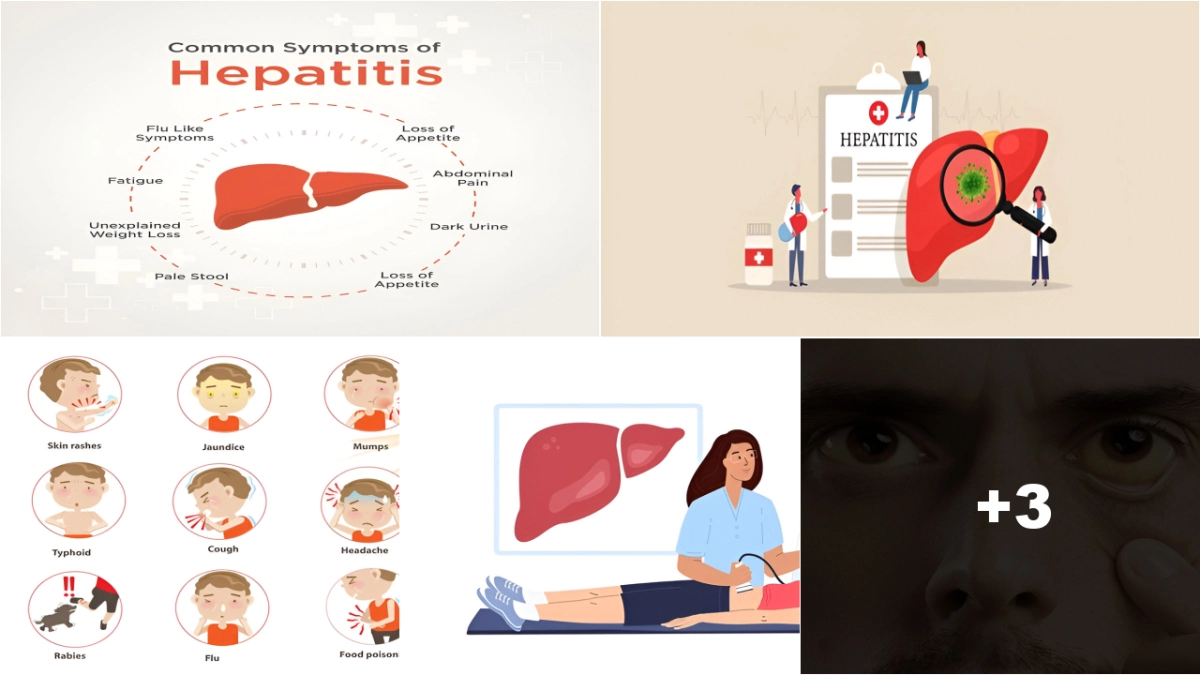
Hepatitis A is a viral infection that targets the liver, often causing mild to severe illness. Unlike hepatitis B or C, it rarely leads to chronic disease but can still be debilitating. Recognizing hepatitis A symptoms early can help you seek timely treatment and prevent complications.
In this guide, we’ll break down:
- The early signs of hepatitis A
- Progression of symptoms
- When to see a doctor
- Prevention & recovery tips
Let’s dive in.
Early Hepatitis A Symptoms (The First Signs)
Hepatitis A has an incubation period of 2–6 weeks, meaning symptoms don’t appear immediately after exposure. When they do, they often mimic the flu, making early detection tricky.
Common Early Symptoms Include:
- Fatigue – Sudden exhaustion, even with minimal activity
- Low-grade fever – Typically under 101°F (38.3°C)
- Loss of appetite – Food may seem unappealing
- Nausea & vomiting – Especially after eating
- Abdominal discomfort – Dull pain near the liver (right upper abdomen)
Why It Matters: Many people dismiss these as a stomach bug. However, if you’ve recently traveled or eaten at a risky food establishment, consider hepatitis A.
Progression of Symptoms (Days 5–14)
If untreated, symptoms can worsen, with more liver-specific signs appearing:
Moderate to Severe Symptoms:
- Jaundice (yellowing of skin/eyes) – A telltale liver issue
- Dark urine – Caused by excess bilirubin
- Clay-colored stools – Due to bile blockage
- Itchy skin – A less common but frustrating symptom
- Joint pain – Occurs in some cases
Key Insight: Not everyone develops jaundice—some cases (especially in children) remain mild. However, adults often experience stronger symptoms.
When to See a Doctor
Seek medical attention if you notice:
- Persistent vomiting (risk of dehydration)
- Yellowing of the skin or eyes
- Severe abdominal pain
- Confusion or dizziness (rare but serious)
Pro Tip: If you suspect exposure, a simple blood test can confirm hepatitis A. Early diagnosis helps manage symptoms and prevent spread.
Complications: When Hepatitis A Becomes Dangerous
Most people recover fully, but in rare cases, complications arise:
- Acute liver failure (more common in older adults or those with pre-existing liver disease)
- Prolonged fatigue (can last months)
- Relapsing hepatitis (symptoms return weeks later)
Prevention is key—vaccination and good hygiene drastically reduce risks.
Recovery & Management Tips
Since hepatitis A has no specific treatment, recovery focuses on:
- Rest – Your liver needs time to heal
- Hydration – Combat nausea with small sips of water or electrolyte drinks
- Healthy, light meals – Avoid fatty foods that stress the liver
- Avoid alcohol – Until liver enzymes normalize
Most people recover within 2 months, but some experience fatigue for up to 6 months.
Final Thoughts
Recognizing hepatitis A symptoms early can prevent severe illness and curb transmission. If you suspect infection, consult a doctor—don’t wait for jaundice to appear.
Stay proactive: Vaccination, handwashing, and safe food practices are your best defenses.