
As we navigate the evolving landscape of the COVID-19 pandemic in 2025–2026, understanding the current COVID symptoms remains crucial for personal health and public safety. While much has been learned since the virus first emerged, the virus’s mutations, vaccination impacts, and changing population immunity have shifted the symptom profile in subtle ye
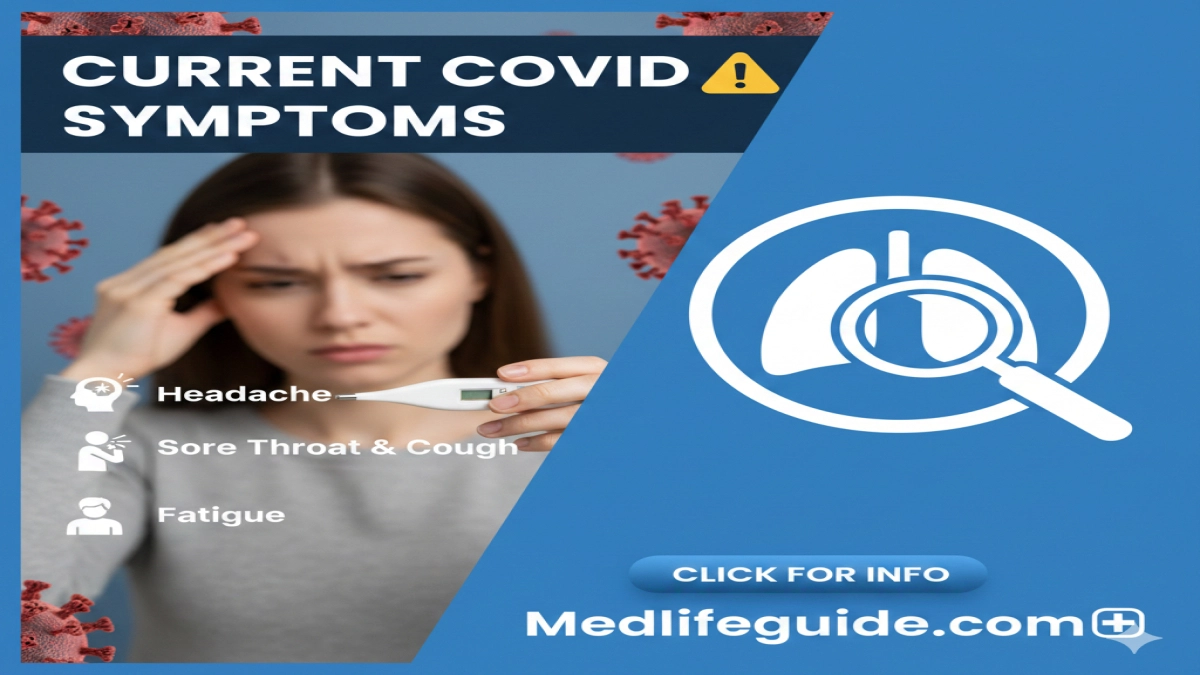
As we navigate the evolving landscape of the COVID-19 pandemic in 2025–2026, understanding the current COVID symptoms remains crucial for personal health and public safety. While much has been learned since the virus first emerged, the virus’s mutations, vaccination impacts, and changing population immunity have shifted the symptom profile in subtle yet significant ways. This article offers a deeply researched, nuanced exploration of the latest symptomatology, grounded in expert analysis and practical wisdom to empower readers with actionable knowledge.
The Evolution of COVID Symptoms: A Brief Context
Example:
In early 2020, Maria lost her sense of smell and developed a high fever—classic signs at the time. In 2025, when she tested positive again, her only symptoms were a sore throat and mild fatigue.
Since the initial outbreak in late 2019, COVID-19 symptoms have been a moving target. Early in the pandemic, hallmark symptoms such as fever, dry cough, and loss of taste or smell dominated clinical descriptions. However, as the virus mutated—giving rise to variants like Delta, Omicron, and their sublineages—the symptom profile has shifted. Vaccination and prior infections have also altered how symptoms manifest, often resulting in milder or atypical presentations.
Why does this matter?
Because recognizing the current symptom patterns is essential for timely testing, isolation, and treatment, especially as new variants continue to circulate globally.
What Are the Current COVID Symptoms in 2025–2026?
1. Primary Symptoms to Watch For
Example:
John noticed a runny nose and thought it was allergies—only a test confirmed it was COVID-19. His fatigue lingered for over a week.
Based on the latest epidemiological data and clinical reports, the most common symptoms currently associated with COVID-19 include:
- Mild to moderate respiratory symptoms: Persistent cough, sore throat, nasal congestion, and runny nose.
- Fatigue and malaise: A lingering sense of tiredness that can last days or weeks.
- Headache: Often described as moderate to severe, sometimes accompanied by pressure behind the eyes.
- Muscle and joint aches: Generalized body pain without clear injury.
- Low-grade fever: Unlike the high fevers seen in early variants, current infections often present with mild temperature elevations or none at all.
- Gastrointestinal symptoms: Nausea, diarrhea, and abdominal discomfort are increasingly reported.
- Loss or alteration of taste and smell: Less common than in previous waves but still a notable symptom.
2. Emerging and Less Common Symptoms
Example:
After recovering, Priya found it hard to concentrate at work—her doctor suspected lingering “brain fog” from COVID.
- Brain fog and cognitive difficulties: Difficulty concentrating or memory lapses, often reported in “long COVID” cases.
- Skin manifestations: Rashes, “COVID toes,” and other dermatological signs.
- Cardiovascular symptoms: Palpitations or chest discomfort, especially in those with pre-existing conditions.
Understanding Symptom Variability: Factors at Play
1. Variant Influence
Example:
With Omicron BA.5, Nathan had a sore throat and sniffles—very different from the chest-heavy congestion he experienced with Delta in 2021.
- Each variant brings a unique symptom signature.
- Omicron variants tend to cause more upper respiratory symptoms and less loss of smell compared to Delta.
- Dominant strains in 2025–2026 show a trend toward milder but more diverse symptoms, complicating diagnosis based solely on clinical presentation.
2. Vaccination and Immunity
Example:
Samantha, who was fully vaccinated and boosted, got COVID but only experienced a headache and mild chills.
- Vaccinated individuals often experience attenuated symptoms or asymptomatic infections.
- Breakthrough infections can still cause fatigue, cough, and other mild symptoms.
- Prior infection modulates symptom severity and duration.
3. Individual Health Status
Example:
An elderly neighbor had prolonged shortness of breath and muscle weakness—his age and heart condition likely made symptoms worse.
- Age, comorbidities, and immune system status significantly influence symptom expression.
- Older adults and immunocompromised individuals may experience more severe or prolonged symptoms.
Diagnosing COVID in 2025–2026: Beyond Symptoms
Example:
When Julian felt “mildly off,” he took a rapid test—negative. A follow-up PCR revealed he was positive.
Given the symptom overlap with other respiratory illnesses like influenza and the common cold, relying solely on symptom checklists is insufficient. Diagnostic testing remains the gold standard:
- Rapid antigen tests: Useful for quick screening but less sensitive.
- PCR tests: More accurate, especially for early or asymptomatic cases.
- Emerging diagnostics: Breath analyzers and AI-driven symptom checkers are under development to enhance early detection.
Managing Current COVID Symptoms: Practical Guidance
At-Home Care
Example:
With fluids, sleep, and paracetamol, Leah’s symptoms stayed manageable during her 8-day home recovery.
- Rest and hydration: Fundamental to recovery.
- Symptom relief: Over-the-counter medications for fever, pain, and congestion.
- Monitoring: Watch for worsening symptoms such as difficulty breathing or chest pain.
When to Seek Medical Attention
Example:
Mark’s fever wouldn’t drop after day 3, and he felt dizzy—he called his GP and was advised to get immediate care.
Seek medical help if you experience:
- Persistent high fever beyond 3 days
- Shortness of breath or oxygen saturation below 94%
- Severe fatigue or confusion
- Chest pain or palpitations
Long COVID Considerations
Example:
After her initial recovery, Lisa noticed word-finding issues and fatigue lasting months—she was referred to a long COVID clinic.
- Persistent symptoms beyond four weeks warrant medical evaluation.
- Multidisciplinary care approaches, including physical therapy and cognitive rehabilitation, are increasingly important.
Addressing Latent Queries: What Users Really Want to Know
Can current COVID symptoms be confused with allergies or flu?
Example:
Raj assumed he was having seasonal allergies until a COVID test came back positive. His itchy throat and fatigue were misleading.
- Yes. Overlapping symptoms like cough, congestion, and fatigue make differentiation challenging.
- Allergy symptoms often include itchy eyes and sneezing, which are less common in COVID.
- Flu tends to cause sudden high fever and body aches. Testing is recommended for accurate diagnosis.
How long do current COVID symptoms last?
Example:
Daniel tested positive and experienced mild symptoms for seven days, but his fatigue lingered until the third week.
- Typically, symptoms resolve within 7–10 days for mild cases.
- Fatigue and cognitive symptoms may persist longer, especially in long COVID.
Are children showing different symptoms now?
Example:
Ella, age 8, had an upset stomach and rash, but no cough—her pediatrician confirmed it was COVID-19.
- Children often experience milder symptoms.
- Gastrointestinal issues or skin rashes may be more common in children than adults.
Actionable Takeaways
- Stay informed: Symptom profiles evolve; consult trusted health sources regularly.
- Test early: Don’t rely solely on symptoms; testing is key to confirmation.
- Practice self-care: Rest, hydration, and symptom management remain foundational.
- Seek help promptly: Know the red flags that require medical attention.
- Consider vaccination: It remains the best defense against severe disease and symptom severity.
Conclusion: Timeline Story—One Family’s COVID Journey in 2025
- March 3: Erin’s son complains of a sore throat and fatigue.
- March 4: Rapid test negative, but PCR test confirms COVID. Erin and her husband test positive two days later.
- March 8: Symptoms remain mild—headache and congestion.
- March 14: Everyone recovers, but Erin experiences “brain fog” that persists. She joins a virtual long COVID support group.
- April: Full recovery, with new awareness of how different COVID looks in 2025.