
Medically Reviewed and Compiled by Dr. Adam N. Khan, MD.
Quick Summary:
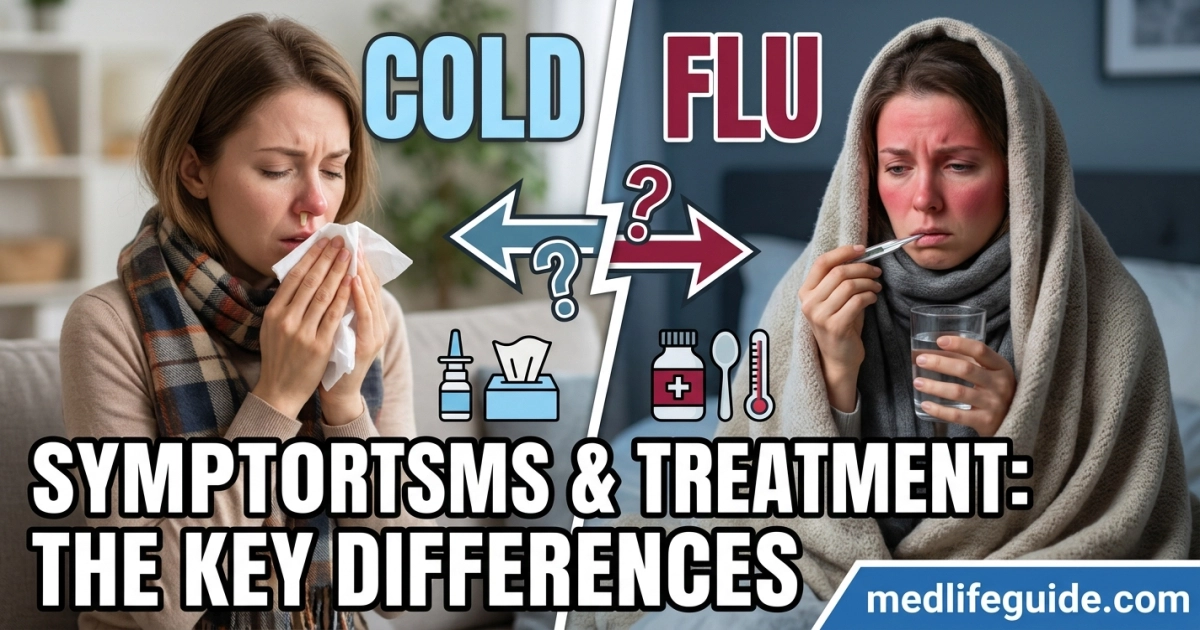
- Onset and Severity: Colds start gradually and cause mild symptoms like a runny nose and sore throat, whereas the flu hits suddenly with high fever, severe body aches, and deep exhaustion.
- Complications: The common cold rarely leads to severe health issues, while the influenza virus can cause dangerous complications like pneumonia, bronchitis, or sinus infections.
- Care & Prevention: Both conditions are viral and do not respond to antibiotics. Early rest, hydration, antiviral prescription drugs for the flu, and annual flu vaccination offer the strongest protection.
⚠️ EMERGENCY WARNING: Seek immediate emergency medical care (call 911 or go to the nearest emergency room) if you or someone in your care experiences severe chest pain, shortness of breath, persistent dizziness, confusion, bluish lips or face, or a high fever that drops and then suddenly returns with a worse cough.
Introduction: Why Distinguishing Cold vs Flu Matters
Every winter, millions of people wake up with a scratchy throat, a stuffed nose, or a sudden chill. It is very common to wonder whether you are dealing with a mild common cold or the seasonal flu (influenza). Because both conditions are contagious respiratory illnesses caused by viruses, their symptoms frequently overlap.
However, knowing whether you have a cold vs flu is crucial for making the right health decisions. A common cold can be inconvenient and uncomfortable, but it usually resolves on its own with basic self-care. In contrast, the flu can cause severe illness, lead to hospital stays, and trigger life-threatening complications—especially in high-risk groups such as young children, older adults, pregnant women, and individuals with chronic health conditions.
Understanding the subtle signs, progression, and treatments for both illnesses allows you to recover safely, protect your family, and know exactly when professional medical evaluation is needed.
What Is a Cold?
The common cold is a upper respiratory tract infection caused by viruses. More than 200 different virus strains can cause a cold, though rhinoviruses are the most common culprit.
Colds spread through tiny respiratory droplets released when an infected person coughs, sneezes, or talks. You can also catch a cold by touching a surface contaminated with the virus and then touching your eyes, nose, or mouth.
Common Symptoms of a Cold
- Gradual onset: Symptoms build up slowly over 1 to 3 days.
- Stuffy or runny nose: Sneezing, congestion, and clear or thick nasal discharge.
- Sore throat: A mild, scratchy throat is often the very first sign.
- Mild cough: A hacking or tickling cough that develops later in the illness.
- Low-grade fever: Rare in adults, though mild fevers can occur in young children.
- Mild fatigue: Feeling slightly tired, but usually able to maintain daily activities.
Most people recover completely from a common cold within 7 to 10 days without medical treatment.
What Is the Flu?
The flu is a contagious respiratory illness caused specifically by influenza viruses (primarily Influenza A and Influenza B strains). Unlike cold viruses, which generally stay in the nose and throat, influenza attacks the entire respiratory system, including the lungs.
Flu viruses mutate slightly each year, which is why health organizations update flu vaccines annually to protect against the most active circulating strains.
Common Symptoms of the Flu
- Sudden onset: Symptoms hit abruptly—often described as feeling like you were “hit by a truck.”
- High fever: Temperature typically rises above 100.4°F (38°C) and can last 3 to 4 days.
- Severe muscle and body aches: Deep, generalized pain throughout the back, legs, and arms.
- Chills and sweats: Shivering accompanied by alternating cold and hot sensations.
- Profound fatigue: Severe exhaustion that can last for several weeks.
- Dry, persistent cough: A harsh cough that often feels heavy on the chest.
- Headache: Moderate to severe pain behind the eyes or across the forehead.
While many people recover from the flu in one to two weeks, the infection can cause serious respiratory inflammation requiring prescription medical therapy or hospital care.
Key Differences: Cold vs Flu Comparison Table
To quickly evaluate your symptoms, review this side-by-side comparison detailing how colds and the flu usually present:
| Symptom / Feature | Common Cold | Seasonal Flu (Influenza) |
| Symptom Onset | Gradual (over several days) | Sudden and abrupt (within hours) |
| Fever | Rare in adults; occasional in children | High (100.4°F–104°F); lasts 3–4 days |
| Body Aches | Mild or absent | Severe and widespread |
| Chills | Uncommon | Very common and intense |
| Fatigue & Weakness | Mild; short-lived | Severe; can last up to 2–3 weeks |
| Sneezing & Stuffy Nose | Very common | Sometimes present, but not primary |
| Sore Throat | Very common early on | Occasional |
| Chest Discomfort / Cough | Mild to moderate cough | Common, severe, and dry cough |
| Headache | Rare or mild | Common and intense |
| Complications | Sinus congestion, ear infections | Pneumonia, bronchitis, heart flare-ups |
| Prevention | Handwashing, hygiene | Annual vaccine, good hygiene |
| Medical Treatment | Symptom relief, fluids, rest | Antiviral medications (if caught early) |
Unique Clinical Takeaways
Beyond standard symptom checklists, clinical research and diagnostic observation offer deeper insights into how colds and influenza affect the human body:
1. The “Abrupt Onset” Marker as a Diagnostic Indicator
Clinical evaluation shows that the speed of symptom onset is one of the most reliable clinical differentiators between a rhinovirus infection and influenza. Patients with a cold typically report a progressive buildup over 48 to 72 hours, starting with localized throat discomfort. Flu patients can usually pinpoint the exact hour their illness began, characterized by sudden systemic spikes in temperature and widespread muscular inflammation.
2. Post-Viral Fatigue Window
While active influenza viral replication typically declines after 5 to 7 days, the immunological response leaves a lingering inflammatory footprint. Clinicians frequently see post-viral asthenia—a period of pronounced fatigue and reduced physical capacity—that lasts two to three weeks after acute flu symptoms resolve. Recognizing this phase as a normal recovery period prevents unnecessary secondary treatments and helps patients pace their return to full activity.
3. Sputum Color Does Not Indicate Bacterial Infection
A common misconception is that green or yellow mucus signals a bacterial infection requiring antibiotics. In both cold and flu cases, nasal secretion changes color because white blood cells (neutrophils) rush to the site of infection to fight the virus. As these cells complete their work, they release enzymes containing iron, which turns mucus yellow or green. Discolored sputum during the first week of a cold or flu is a natural sign of an active immune response, not a reason for antibiotic therapy.
Causes and How Viruses Spread
Both cold and flu viruses thrive during cooler months. However, cold weather itself does not cause viral infections; rather, people spend more time indoors with closer physical contact and lower humidity, which helps viral particles survive longer in the air.
Infection Routes
- Direct Airborne Spread: Inhaling microscopic droplets generated when an infected individual coughs, sneezes, or speaks nearby.
- Indirect Contact: Touching contaminated surfaces like door handles, smartphones, or keyboards and subsequently touching facial mucous membranes (mouth, nose, or eyes).
- Personal Contact: Shaking hands, hugging, or sharing utensils with someone harboring an active viral infection.
Infectious periods vary. People with a cold are most contagious during the first 2 to 3 days of symptoms. Individuals with the flu can spread the virus beginning one day before symptoms appear and remain contagious for up to 5 to 7 days after falling ill.
When to See a Doctor
While most colds and mild cases of the flu resolve with home care, certain signs require prompt professional medical evaluation.
Seek Medical Evaluation If You Experience:
- Symptoms that do not improve after 10 days or continuously worsen.
- A high fever lasting longer than 3 to 4 days.
- Difficulty swallowing or severe sore throat lasting more than 48 hours.
- Sinus pain or severe headaches that worsen over time.
- Wheezing or mild shortness of breath during light daily activity.
High-Risk Groups Needing Early Consultation
If you or a loved one falls into any of the following categories and shows flu-like symptoms, contact a healthcare provider promptly:
- Adults age 65 and older.
- Children under 2 years of age.
- Pregnant women or women up to two weeks post-partum.
- Individuals with chronic lung diseases (such as asthma or COPD), heart conditions, diabetes, or kidney disorders.
- Anyone with a weakened immune system due to medications, cancer treatments, or underlying health conditions.
Prevention and Treatment Options
Prevention Strategies
- Annual Influenza Vaccine: Getting vaccinated every autumn is the most effective defense against seasonal flu viruses and significantly reduces the risk of severe illness, hospitalization, and complications.
- Frequent Hand Hygiene: Wash hands thoroughly with soap and water for at least 20 seconds, or use an alcohol-based hand sanitizer when soap is unavailable.
- Surface Disinfection: Regularly clean high-touch surfaces in homes, workplaces, and schools.
- Avoid Touching Your Face: Keep hands away from eyes, nose, and mouth to reduce viral transfer.
- Respiratory Etiquette: Cover coughs and sneezes with a tissue or the inside of your elbow.
Effective Home Recovery Practices
- Prioritize Rest: Allow your body to direct energy toward immune defense rather than physical exertion.
- Maintain Fluid Intake: Drink plenty of water, warm broths, herbal teas, or electrolyte solutions to prevent dehydration and loosen mucus.
- Use Humidifiers: Running a cool-mist humidifier in your bedroom adds moisture to dry indoor air, soothing irritated airways and easing congestion.
- Saline Nasal Sprays: Rinsing nasal passages with non-medicated saline sprays can clear thick mucus without causing dependency or rebound congestion.
Medical Therapies
- Over-the-Counter (OTC) Relief: Pain relievers and fever reducers like acetaminophen or ibuprofen can help alleviate body aches and high temperatures. Decongestants and antihistamines may lessen runny nose and sinus pressure. Note: Always check with a pharmacist or provider before using OTC cold remedies, especially for young children or individuals with high blood pressure.
- Prescription Antivirals: For severe flu cases or high-risk individuals, healthcare providers may prescribe antiviral drugs. When started within 48 hours of initial symptom onset, these medications can shorten the duration of the flu and lower the risk of severe complications.
- Antibiotics Warning: Antibiotics target bacteria, not viruses. They are completely ineffective against both cold and flu viruses. Using antibiotics unnecessarily can cause side effects and contributes to global antibiotic resistance.
Frequently Asked Questions (FAQs)
No, a common cold cannot mutate or turn into the flu because they are caused by completely different families of viruses. However, having a cold can temporarily weaken your immune system, making it easier to catch a secondary infection or contract the flu virus separately.
If your symptoms are strictly “above the neck” (such as a minor runny nose or light throat tickle), mild exercise like walking is generally safe. If you have “below the neck” symptoms like fever, deep chest coughing, severe fatigue, or body aches, you should avoid exercise and rest until fully recovered.
You should stay home until at least 24 hours after your fever has gone away naturally without the use of fever-reducing medications. This helps prevent spreading the virus to coworkers, classmates, and vulnerable community members.
Body aches during the flu are caused by your immune system releasing inflammatory chemicals called cytokines to fight off the virus. These chemicals cause muscle inflammation and generalized body pain as your body works to clear the infection.
If you have a mild cold without a fever, it is usually fine to get your flu shot. However, if you have a high fever or feel moderately to severely ill, it is best to wait until your symptoms improve before receiving the vaccine.