
Cancer is the uncontrolled growth of abnormal cells that can invade tissues and spread to other parts of the body.
Cancer
What Causes Pancreatic Cancer: Clear Medical Guide
Medically Reviewed and Compiled by Dr. Adam N. Khan, MD. Pancreatic cancer grows quietly. Most people do not feel early symptoms, which is why understanding the root causes and risk drivers is so important. This guide breaks down what science knows, what it strongly suggests, and how doctors interpret risk in real clinical settings. What … Read more
Pancreatic Cancer Symptoms You Should Not Ignore
Medically Reviewed and Compiled by Dr. Adam N. Khan, MD. The most common symptoms of pancreatic cancer include yellowing of the skin (jaundice), constant pain in the upper belly or middle back, and losing weight without trying. If you notice these signs along with changes in your stool or a sudden onset of diabetes, you … Read more
Is John Cena Sick? The Truth About His Health in 2026

Medically Reviewed and Compiled by Dr. Adam N. Khan, MD. Quick Answer As of February 2026, there is no medical evidence, official statement, or credible news report indicating that John Cena has cancer. The wrestling icon and actor remains in excellent health and continues to be active in his professional career. Most rumors regarding his … Read more
What Really Causes Lung Cancer? A Deep Dive into the Hidden Triggers
Medically Reviewed and Compiled by Dr. Adam N. Khan, MD. Quick Answer: What Causes Lung Cancer? The primary cause of lung cancer is cigarette smoking, which is responsible for approximately 80% to 90% of all cases. When you inhale tobacco smoke, you are breathing in over 7,000 chemicals, at least 70 of which are known carcinogens that damage the DNA in … Read more
Does Lunch Meat Cause Cancer? What You Need to Know Now
Medically Reviewed and Compiled by Dr. Adam N. Khan, MD. Quick Answer: The Bottom Line Yes, there is a proven link. The World Health Organization (WHO) classifies processed meats—like ham, deli turkey, and bologna—as Group 1 carcinogens. This means there is strong evidence that eating these meats regularly increases the risk of colorectal cancer. However, the risk … Read more
Taurine and Blood Cancer: Understanding the 2026 Breakthroughs
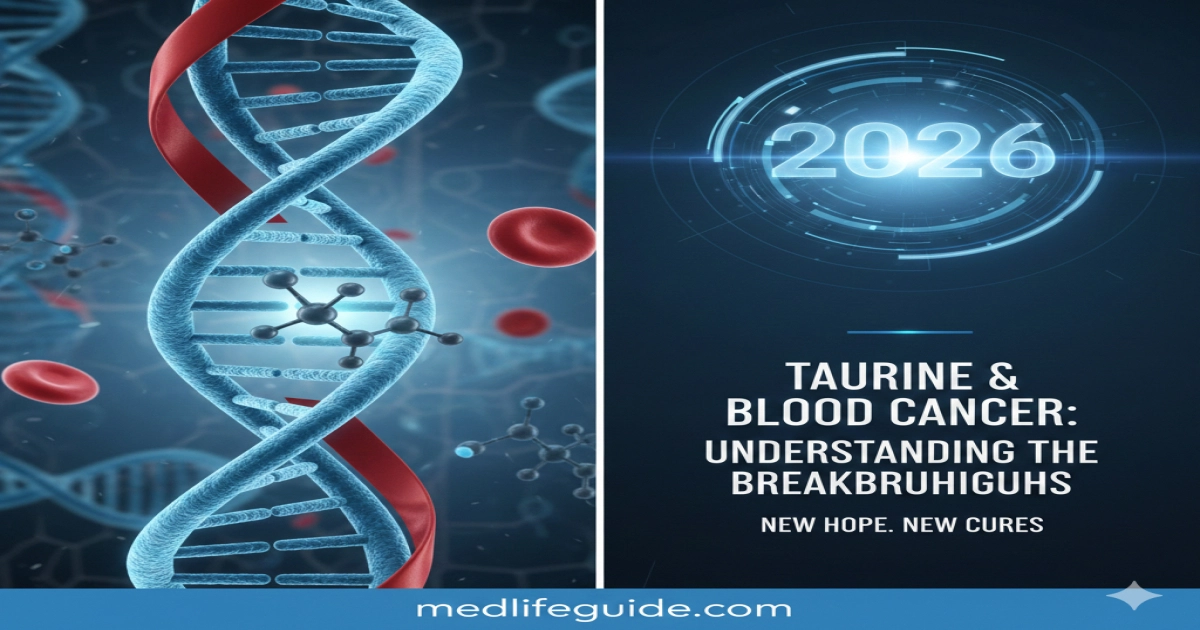
The Complex Role of Taurine in Blood Cancer Taurine is a common ingredient in energy drinks and a natural amino acid in our bodies. For a long time, doctors thought of it as a helpful supplement that protects the heart and brain. However, new research released in 2025 and 2026 shows that its role in blood cancer … Read more
Advanced Breast Cancer Treatment

Advanced breast cancer refers to cancer that has spread beyond the breast and regional lymph nodes to distant organs or cannot be cured with standard local therapies alone. Often termed metastatic breast cancer (MBC), systemic cancer treatments are the cornerstone of therapy, with the dual goals of prolonging survival and maintaining quality of life. According … Read more
How Colorectal Cancer Causes Death

Colorectal cancer is a leading cause of cancer-related death worldwide. Death usually does not occur from the primary tumor alone. It happens due to advanced disease, spread to vital organs, severe complications, or delayed diagnosis. Understanding how colorectal cancer causes death helps patients, caregivers, and clinicians focus on early detection, proper treatment, and risk reduction. … Read more
Pancreas Cancer Symptoms

Medically Reviewed and Compiled by Dr. [Adam N. Khan], MD. Pancreas cancer, medically referred to as pancreatic cancer, is among the most aggressive and diagnostically challenging malignancies. Symptoms are often subtle, nonspecific, or absent in early stages, leading to delayed diagnosis and poor prognosis. Understanding pancreas cancer symptoms in detail—particularly early, atypical, and progressive signs—is … Read more
Appendix Cancer Symptoms You Should Not Ignore
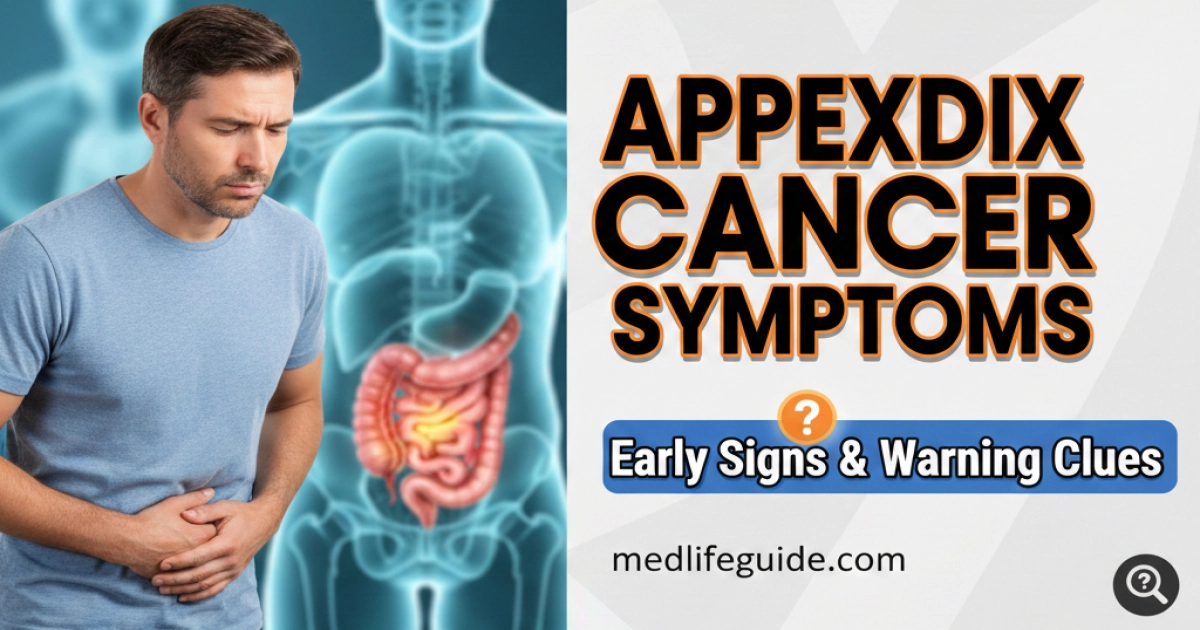
Appendix cancer is a rare malignancy that begins in the appendix, a small pouch connected to the large intestine. Because the appendix has no essential digestive role, tumors can grow silently for long periods. Symptoms are often vague, overlap with common abdominal conditions, or appear only after the disease has advanced. Understanding appendix cancer symptoms … Read more
Myeloma Cancer Symptoms Explained Clearly
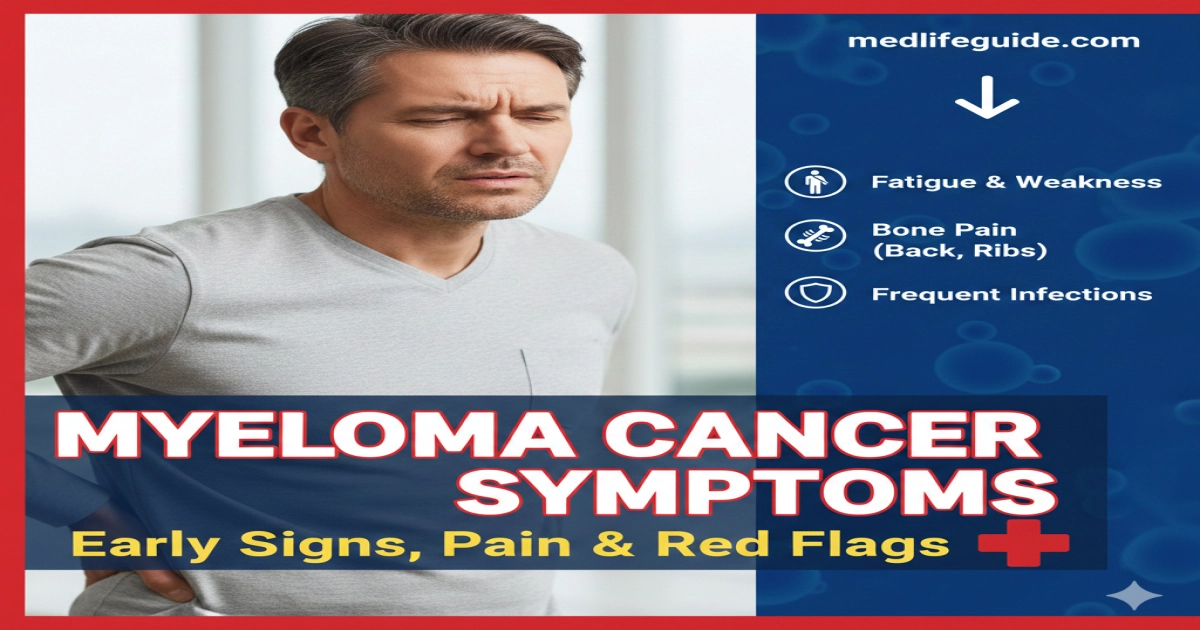
Myeloma cancer symptoms develop from a blood cancer called multiple myeloma, which affects plasma cells in the bone marrow. Plasma cells normally help fight infections. In myeloma, these cells grow out of control and interfere with normal blood cell production, bone health, kidney function, and immune defense. Symptoms often begin slowly and may be mistaken … Read more
Bladder Cancer Symptoms You Should Never Ignore

Bladder cancer symptoms often begin subtly and are frequently mistaken for common urinary problems. Early recognition is critical because outcomes are significantly better when bladder cancer is diagnosed at an early stage. This article provides a comprehensive, clinically accurate, and patient-centered overview of bladder cancer symptoms, including early signs, advanced manifestations, and less obvious indicators … Read more
Why Is Cancer Bad? Understanding the Real Dangers

Cancer is bad because it disrupts normal cell function, damages vital organs, weakens the immune system, and can ultimately lead to death if not controlled. Unlike temporary illnesses, cancer grows uncontrollably, spreads to other parts of the body, and interferes with essential biological processes such as oxygen delivery, hormone balance, digestion, and immunity. Its effects … Read more
What Are the 7 Symptoms of Cancer You Should Know
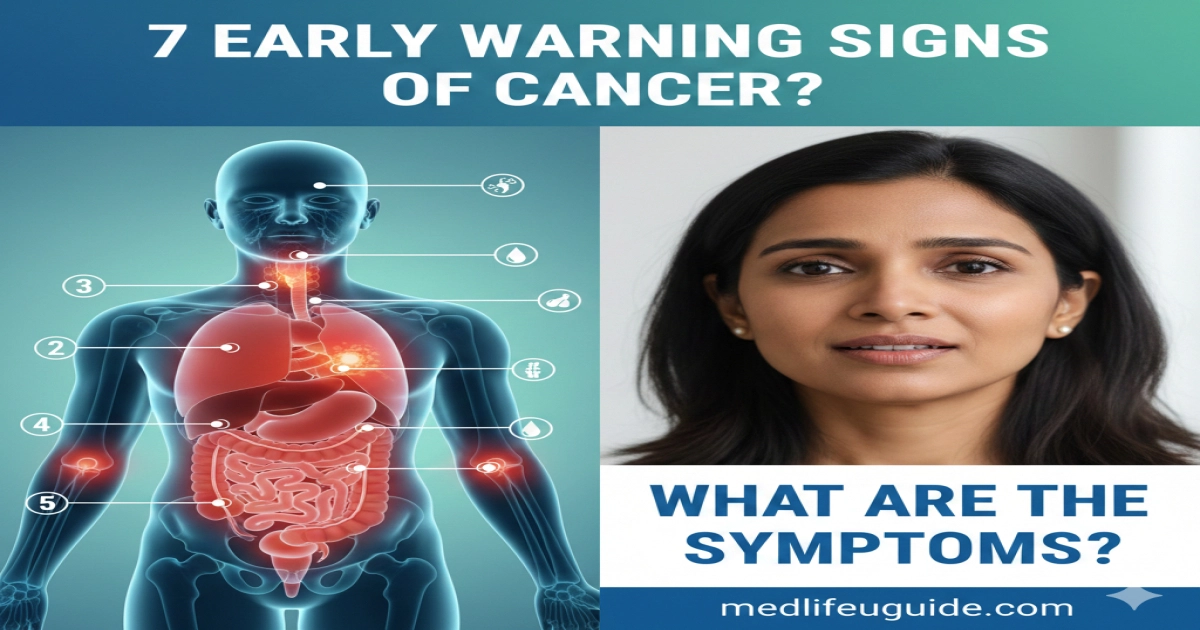
Cancer is not a single disease but a group of more than 100 conditions that share one defining feature: uncontrolled growth of abnormal cells. While symptoms vary by cancer type, location, and stage, medical organizations commonly group early warning signs into seven core symptom categories. Recognizing these symptoms early can significantly improve outcomes by prompting … Read more
What Level of Eosinophils Indicate Cancer

Short Answer There is no specific eosinophil count that definitively indicates cancer. However, research shows that an absolute eosinophil count (AEC) above approximately 500 cells/µL is considered elevated (eosinophilia), and counts above 1,500 cells/µL (hypereosinophilia) warrant more urgent evaluation. Cancer may be considered when eosinophilia is significant, unexplained by other causes (allergies, parasites, medications), persistent, … Read more