
Medically Reviewed and Compiled by Dr. Adam N. Khan, MD.
Quick Key Takeaways
- Different Concepts: Sugar is a nutrient that supplies energy, while diabetes is a chronic medical condition affecting how your body uses that energy.
- Complex Causes: Eating sugar alone does not directly cause diabetes; genetic factors, autoimmune responses, weight, and lifestyle all play critical roles.
- Broader Impact: Managing diabetes involves tracking all carbohydrates, physical activity, and stress—not just cutting out sweet desserts.
EMERGENCY MEDICAL WARNING: If you or someone nearby experiences extreme confusion, fruity-scented breath, rapid breathing, persistent vomiting, or loss of consciousness, seek immediate emergency medical care or call 911. These are signs of life-threatening diabetic emergencies such as Diabetic Ketoacidosis (DKA) or Severe Hypoglycemia.
Understanding the Difference: Sugar vs. Diabetes
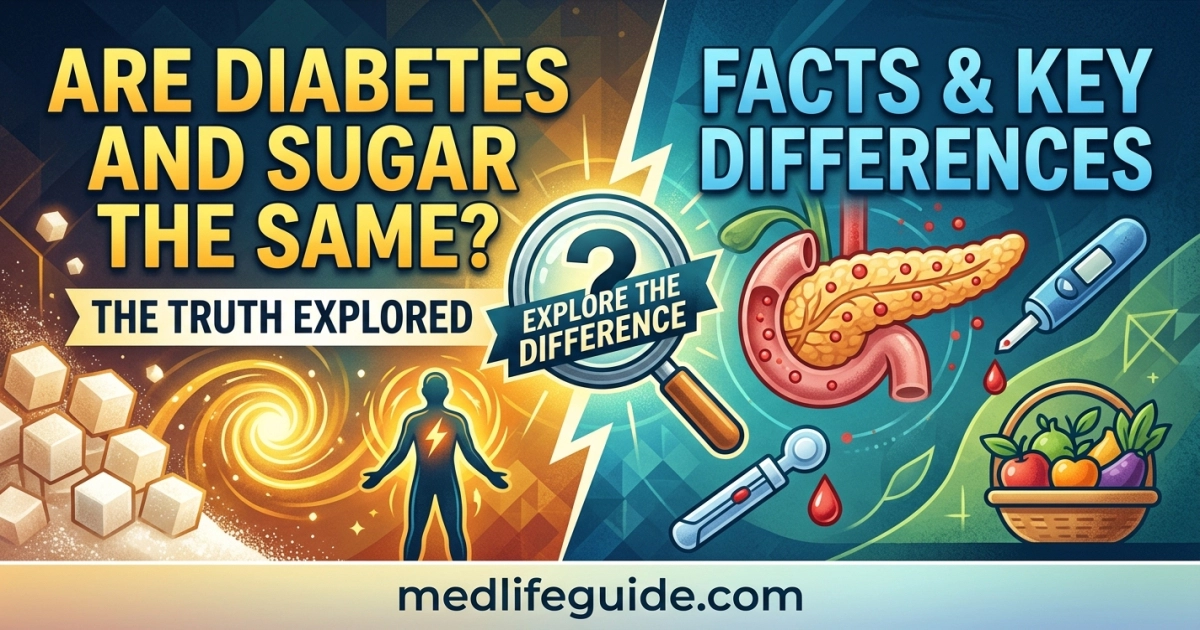
It is common to hear people talk about “having high sugar” or “watching their sugar,” which often leads to confusion. Many people wonder: are diabetes and sugar the same thing?
The short answer is no. Sugar is a chemical compound and essential nutrient (carbohydrate) that your body turns into energy. Diabetes mellitus is a complex metabolic disease where the body either does not produce enough insulin or cannot properly use the insulin it makes.
To understand how they interact, it helps to look at how your body handles energy:
- Glucose (Blood Sugar): When you eat foods containing carbohydrates—such as fruit, bread, rice, or table sugar—your digestive system breaks them down into a simple sugar called glucose. Glucose enters your bloodstream to nourish your organs, brain, and muscles.
- Insulin (The Key): The pancreas creates a hormone called insulin. Insulin acts like a key, unlocking your body’s cells so glucose can move out of the blood and into the cells to be used for fuel.
- The Diabetic State: In a person with diabetes, this process breaks down. Glucose stays trapped in the bloodstream, leading to elevated blood sugar levels, while cells are starved of energy.
Does Eating Sugar Directly Cause Diabetes?
One of the biggest myths in modern medicine is that eating a piece of candy or drinking a soda directly triggers diabetes. The truth depends on the specific type of diabetes.
Type 1 Diabetes
Type 1 diabetes is an autoimmune disease. The body’s immune system mistakenly attacks and destroys the insulin-producing beta cells in the pancreas. Eating sugar has zero role in causing Type 1 diabetes. It is primarily driven by genetic susceptibility and unknown environmental triggers.
Type 2 Diabetes
Type 2 diabetes involves insulin resistance, where body cells stop responding effectively to insulin. While dietary sugar does not directly damage the pancreas on its own, consuming excess calories—especially from sugar-sweetened beverages—can lead to weight gain and increased visceral fat. Over time, excess body fat increases insulin resistance, significantly raising the risk of developing Type 2 diabetes.
Gestational Diabetes
This type occurs during pregnancy due to hormonal changes that interfere with insulin action. While diet plays a role in managing it, gestational diabetes is primarily driven by placental hormones rather than dietary sugar intake prior to pregnancy.
Carbohydrates, Sugar, and the Glycemic Index
Not all sugars and carbohydrates affect your body the same way. Carbohydrates are grouped into two primary categories:
- Simple Carbohydrates: Found in table sugar, candy, fruit juice, and refined flour. They break down rapidly, causing sharp spikes in blood glucose.
- Complex Carbohydrates: Found in whole grains, legumes, vegetables, and oats. They contain dietary fiber, which slows down digestion and causes a gradual, manageable rise in blood sugar.
The Glycemic Index (GI)
The Glycemic Index ranks foods from 0 to 100 based on how quickly they raise blood sugar levels:
| Food Category | Glycemic Index Range | Examples | Effect on Blood Sugar |
|---|---|---|---|
| Low GI | 55 or less | Non-starchy vegetables, lentils, steel-cut oats | Slow, steady rise |
| Medium GI | 56 to 69 | Brown rice, whole wheat bread, sweet potatoes | Moderate rise |
| High GI | 70 or higher | White bread, soda, watermelon, baked potatoes | Rapid, sharp spike |
Diagnosis and Blood Sugar Thresholds
Medical professionals test blood sugar levels to diagnose diabetes and prediabetes. The most common diagnostic tests include:
- Fasting Plasma Glucose Test: Measures blood sugar after an overnight fast (at least 8 hours).
- Hemoglobin A1C Test: Measures the average percentage of blood sugar attached to hemoglobin over the past 2 to 3 months.
- Oral Glucose Tolerance Test (OGTT): Measures blood sugar before and 2 hours after drinking a sweet liquid.
| Health Category | Fasting Blood Glucose | Hemoglobin A1C |
|---|---|---|
| Normal | Under 100 mg/dL | Under 5.7% |
| Prediabetes | 100 to 125 mg/dL | 5.7% to 6.4% |
| Diabetes | 126 mg/dL or higher | 6.5% or higher |
Frequently Asked Questions (FAQs)
Yes, because diabetes is caused by autoimmune factors, genetics, and insulin resistance, not table sugar alone. Furthermore, your body breaks down all carbohydrates—like bread, pasta, and rice—into simple sugar regardless of whether you consume sweet foods.
Fruit contains natural fructose and valuable dietary fiber, which slows glucose absorption into the bloodstream. While people with diabetes can safely eat fruit, portion size must still be managed as part of an overall carbohydrate plan.
No, high blood sugar is the main characteristic, but symptoms also include frequent urination, extreme thirst, unexplained weight loss, blurry vision, and slow-healing sores.
Eliminating refined sugar helps manage blood glucose and supports weight loss, but it is not a direct cure. Type 2 diabetes management requires a comprehensive approach including total carbohydrate management, regular physical activity, and sometimes medication.
Dietary sugar refers to sweet carbohydrates found in foods, whereas blood sugar (glucose) is the circulating sugar in your bloodstream that your body uses for energy.
Unique Clinical Takeaways
Beyond standard symptom checklists, clinical management reveals several vital insights about how sugar and diabetes interact:
- Glucose Variability Matters More Than A1C Alone: Two people can have an identical hemoglobin A1C level of 7.0%, yet experience vastly different daily health outcomes. One may have steady blood sugar, while the other swings rapidly between dangerous spikes and severe drops. Frequent extreme fluctuations cause greater blood vessel damage and fatigue than moderate, stable glucose levels.
- The “Dawn Phenomenon” Occurs Without Eating Sugar: Many patients are surprised to wake up with high blood sugar even when they ate no sugar the night before. Between 3:00 AM and 8:00 AM, the body releases a surge of natural hormones like cortisol and growth hormone to help you wake up. These hormones cause the liver to release stored glucose into the blood, demonstrating that internal biology drives blood sugar levels independently of recent food intake.
- Fats and Proteins Alter Sugar Absorption Timings: Eating high-sugar foods combined with high amounts of dietary fat or protein (such as pizza or ice cream) delays gastric emptying. Instead of a immediate spike, blood sugar levels may rise several hours later and stay elevated for longer, making insulin timing and carbohydrate counting far more complex than simple sugar avoidance.
Author & Reviewer Disclosures
Medically Reviewed by Dr. Adam N. Khan, MD
Board-Certified Clinical Specialist in Endocrinological Health and Metabolic Medicine.
Dr. Khan reports no financial conflicts of interest, personal affiliations, or commercial ties with pharmaceutical brands or supplement manufacturers related to the content of this article.