

We prioritize mental health since it shapes how we think, feel, and act. Good emotional well-being helps us manage stress and stay balanced.
It reduces anxiety and depression and builds resilience, focus, and happiness. It also helps our work, school, and relationships.
We use self-care, therapy, mindfulness, an
We prioritize mental health since it shapes how we think, feel, and act. Good emotional well-being helps us manage stress and stay balanced.
It reduces anxiety and depression and builds resilience, focus, and happiness. It also helps our work, school, and relationships.
We use self-care, therapy, mindfulness, and social support to stay well. We must fight stigma and improve access to care so everyone can thrive.
Key Takeaways
- Mental health is as necessary as physical health since it shapes how we think, feel, decide, and function every day.
- Untreated mental health issues raise the risk of chronic physical illnesses, cognitive decline, reduced productivity, and higher societal costs.
- Good mental health builds resilience, stronger relationships, better work performance, and higher in general life satisfaction at every age.
- Stigma, cost, and limited access block care, but early recognition and professional treatment remarkably improve outcomes.
- Simple daily practices (sleep, exercise, social connection, mindfulness) and community support can prevent decline and help people thrive.
Enhancing Emotional Well-Being and Resilience
Mental health shapes how we think, feel and act. It supports our emotional well-being, psychological health and life satisfaction.
We protect mental wellness with tools that research supports:
- Self-care: Good sleep, balanced food and regular movement. These habits increase mood and lower stress.
- Mindfulness & coping strategies: Short meditations and journaling sharpen emotional intelligence and ease anxiety.
- Therapy & social support: Professional help and trusted friends reduce stigma and build resilience.
| Common issue | Action |
|---|---|
| Stress and poor work-life balance | Schedule breaks, practice stress management and ask for help |
| Signs of depression or persistent anxiety | Contact a trusted adult, use mental health resources and seek therapy |
Early intervention and accessible care prevent long-term harm. Investing in mental health raises productivity, improves relationships and supports public health.
Tip: Try a 4 4 4 breath for one minute (inhale 4s hold 4s exhale 4s) to calm the nervous system.
Improving Physical Health and Longevity
We must protect mental health since it shapes emotional well-being psychological health cognitive functioning and long-term physical health. When anxiety or depression go untreated they can raise the risk of chronic disease. Getting therapy, practicing self-care and doing mindfulness can build resilience emotional intelligence and productivity so people cope better at school work and in relationships.
- Daily activity: 20–60 minutes of exercise lowers stress improves sleep and gives more energy for school or sports.
- Sleep & nutrition: Good sleep and balanced meals help mental wellness and support the immune system.
- Talk to trusted adults: Tell a parent teacher or school counselor early so you can get help and reduce how severe a mental health problem becomes.
- Coping strategies: Try breathing exercises journaling and leaning on friends and family to manage stress in real situations.
- Seek resources: Use school counselors community mental health resources and confidential help like contact us to fight stigma.
- Home Chef: an example of a meal service that makes it easier to eat healthier.
- Factor 75: another meal option that shows prepared foods can support good nutrition.
- Price per Meal: compare cost to see which choice fits your budget for healthier eating.
Good work life balance social support and early help increase quality of life and reduce suicide risk.
| Strategy | Health Impact |
|---|---|
| Mindfulness & therapy | Reduces stress and anxiety and improves coping skills |
| Exercise & sleep | Boosts immunity improves mood and supports a longer healthy life |
| Social support | Strengthens relationships and helps reduce stigma |
We should treat mental wellness as public health. That means reduce stigma provide early intervention and expand access to care. Neuroscience shows links between mind and body through neuroendocrine immune pathways so caring for our minds helps people live healthier longer. WHO, CDC
Boosting Productivity and Performance

Our ability to learn, focus and perform depends on strong mental health. When we protect emotional well-being and psychological health, our productivity and life satisfaction improve. Big events like illness outbreaks can raise stress.
- Sleep and movement: Regular sleep and exercise lift mood and help the brain think faster.
- Mindfulness and coping strategies: Short breathing breaks improve focus and reduce stress.
- Task design: Break work into small steps to keep motivation, avoid burnout and support work-life balance.
- Professional support: Therapy or counseling builds resilience and strengthens emotional intelligence.
- Social support and stigma reduction: Asking for help connects people to mental health resources and leads to better outcomes.
| Mental state | Effect on productivity |
|---|---|
| Strong mental well-being | Better focus, faster decisions and higher quality work |
| Untreated mental illness (e.g., anxiety, depression) | Absenteeism, lower performance and higher health costs; about 1 in 5 affected annually WHO/CDC |
A small daily routine, such as regular sleep, movement, a breathing break or one talk with a counselor, produces measurable gains in mental wellness and productivity.
Use self-care, mindfulness, therapy and social supports to protect performance. If symptoms last or get worse, talk with a trusted adult or a healthcare provider.
Strengthening Relationships and Social Connections
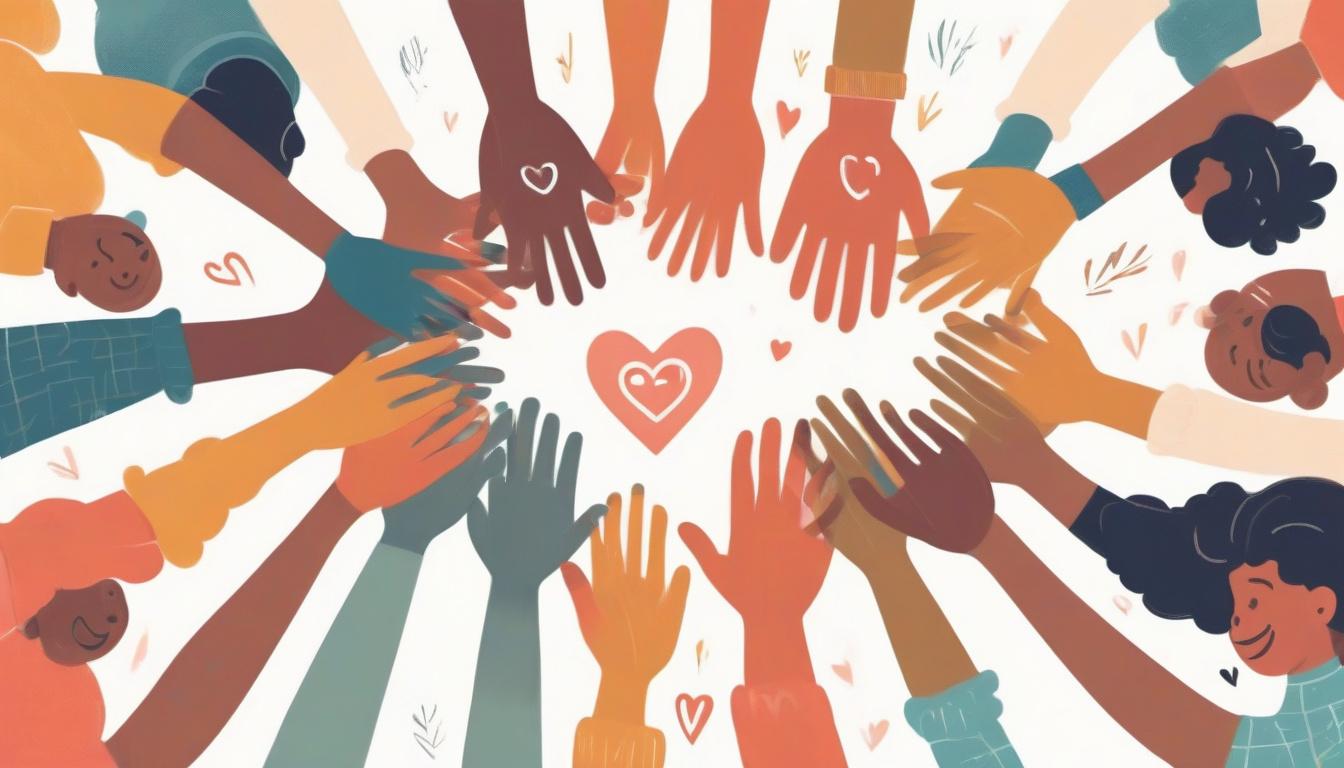
We strengthen relationships and social connections since strong bonds protect our mental health, support our emotional well-being and increase life satisfaction.
When we connect with others, social support lowers stress and reduces the risk of anxiety and depression. It also improves psychological health. Research links supportive networks to better brain health and greater resilience (WHO, CDC).
Practical ways to build stronger ties:
- Active listening: Pay full attention when someone speaks. This builds trust and helps you understand feelings.
- Shared activities: Spend regular time together. Doing things as a group creates steady support and can improve work-life balance for families.
- Offer help: Small acts like checking in or offering to listen make it easier for people to ask for support and reduce stigma.
- Use resources: Seek therapy, counseling or community groups for coping strategies and mental health resources.
| Support Type | Impact on Well-being |
|---|---|
| Friendship / Family | Lowers stress and improves coping skills and resilience |
| Therapy / Counseling | Treats psychiatric disorders and reduces symptoms of anxiety and depression |
Strong connections act like mental wellness insurance. Prevention, support and recovery work better together.
If connections feel weak, ask a trusted adult or use available resources. Getting help early often improves quality of life and productivity.
Increasing Life Satisfaction and Happiness

Mental health shapes how we think, feel and act. Our emotional well-being and psychological health affect how satisfied we are with life and how well we do at school, at home and with friends. Mental illnesses such as anxiety or depression can lower energy, make relationships harder and raise health risks. When people practice strong self-care, try therapy, use mindfulness and build resilience, they often sleep better, handle stress more easily and feel more hopeful about the future.
Actionable steps you can use right now:
- Check in: Notice your mood each day so you can spot changes early and get help sooner.
- Routine: Regular sleep, daily movement and balanced food support mental wellness and help control stress.
- Connect: Talk with friends, family or trusted adults to build social support and reduce stigma.
- Seek help: Use therapy and counseling or find local mental health resources when things feel too hard to handle alone.
- Skills: Practice coping strategies like breathing, problem solving and naming feelings to increase emotional intelligence.
| Support | What it helps |
|---|---|
| Therapy / Counseling | Reduce symptoms and improve coping and resilience |
| Mindfulness & Exercise | Manage stress, sleep better and lift mood |
We must treat mental health like physical health: early care, access to care and less stigma save lives and strengthen communities. WHO / CDC research
Reducing the Risk of Mental Illness
We can lower the chance of mental illness by building stronger mental health, emotional well-being and psychological health. Small, steady habits and early action make a big difference. Good stress management, regular self-care, access to therapy or counseling and strong social support increase resilience, emotional intelligence and long-term mental wellness. These steps improve quality of life, increase focus and raise daily productivity.
- Sleep and movement: Aim for consistent sleep and try to move every day. Walking, biking or playing a sport can reduce anxiety and depression.
- Mindfulness and coping strategies: Use simple mindfulness, breathing or short breaks to calm stress and stay clearheaded.
- Talk early: Reach out to mental health resources and get help from a doctor or therapist before problems grow.
- Stay connected: Build friendships and join groups that fight stigma and support suicide prevention.
- Balanced habits: Eat well with help like Home Chef, Factor 75 or Price per Meal, limit screen time and keep a healthy work-life balance.
| Risk factor | How we reduce risk |
|---|---|
| Chronic stress | Stress management, mindfulness and therapy |
| Social isolation | Build social support, join groups and seek counseling |
Early intervention and steady self-care prevent many problems before they become illnesses.
WHO, CDC evidence shows prevention, access to care and community support reduce long-term risks and increase life satisfaction and physical health.
Promoting Effective Stress Management Techniques
We must manage stress now. Effective stress management protects our mental health, boosts emotional well-being and lowers the risk of anxiety and depression.
We use clear research backed methods. Short breathing exercises calm the nervous system. Regular movement raises mood chemicals. Talking with a trusted adult or a therapist improves psychological health and access to care (WHO, CDC). If you notice ongoing body pain such as kidney pain tell an adult or see a doctor.
Small daily steps build resilience and strengthen emotional intelligence.
- Deep breathing: try the 4-4-4 method — inhale 4 seconds hold 4 seconds exhale 4 seconds to lower heart rate and clear thinking
- Mindfulness: 5-minute practice can improve focus and reduce worry
- Social support: talking with friends and family lowers stigma and helps you cope
- Self-care & therapy: combine healthy habits and counseling for long-term mental wellness
Try this quick plan: practice daily breathing, stay active, sleep well, ask for help early and use school or community mental health resources. These steps are simple to start and help you feel better over time.
| Technique | Benefit |
|---|---|
| Deep breathing | Reduces stress and clears focus |
| Mindfulness | Improves emotional regulation |
| Talk therapy / counseling | Prevents problems from getting worse and supports early help |
Keywords: mental wellness, coping strategies, stigma reduction, mental illness prevention, work-life balance, quality of life, productivity, suicide prevention.
Encouraging Self-Care and Mindfulness Practices
We treat mental health as necessary since our emotional well-being and psychological health shape learning, friendships and body function. When mental illness is not treated, the chance of anxiety, depression and long-term physical problems goes up. Good mental health helps people do better in school, keep friends and stay active.
- Mindfulness: We do short breathing exercises and body scans to build emotional regulation and psychological resilience. These practices calm the mind when things get busy.
- Self-care: We focus on sleep, movement and healthy food to support brain health and mental wellness. Small changes, like a regular bedtime or a short walk, make a big difference.
- Talk and therapy: We use therapy, counseling and social support to reduce stigma and improve life satisfaction. Speaking with someone can reveal simple steps that help you feel better.
- Coping strategies: We learn problem-solving, time management and stress management to protect against burnout and keep a healthy work-life balance. These skills make school, sports and chores easier to handle.
- Breathe: Inhale 4 seconds, hold 4 seconds, exhale 6 seconds.
- Notice: Name one feeling without judging it.
- Act: Choose one small healthy step like a walk, a call to a friend or writing in a journal.
We strengthen resilience and reduce risk. Early intervention and access to care save lives.
| Practice | Immediate benefit |
|---|---|
| Mindfulness | Lowered stress and better focus |
| Talk/Therapy | Safer coping and reduced symptoms |
Sources: WHO, CDC. Evidence links mental health to quality of life, suicide prevention and public health outcomes. Early intervention and mental health resources improve recovery and reduce stigma. For more on substance issues see drug abuse.
Fostering Emotional Intelligence and Awareness
We build stronger minds when we practice emotional intelligence and awareness, skills that protect mental health, increase emotional well-being and reduce the risk of mental illness such as anxiety and depression.
We teach three clear habits: notice feelings, name them and choose a response. This practice helps the mind calm down, think more clearly and make better choices when emotions run high. Regular mindfulness, simple self-care and timely therapy or counseling are proven ways to build resilience and lower stress.
- Notice: Pause and observe bodily signals and thoughts.
- Name: Label the emotion (for example sad, angry or worried).
- Choose: Use a coping strategy such as breathing, talking to a friend or seeking help.
Emotional intelligence is a practical tool, it turns strong feelings into better decisions and healthier relationships.
| Skill | Daily practice / Benefit |
|---|---|
| Emotion naming | Reduces reactivity; improves stress management |
| Seeking support | Builds social support and access to mental health resources |
We must fight stigma, teach mental health awareness and promote work-life balance so young people gain tools for suicide prevention and lasting mental wellness. 1
1WHO/CDC research links emotional skills training to improved well-being and reduced distress.
Advocating for Mental Health Awareness and Resources
Mental health matters. We use it to learn, choose and connect with others. When we protect emotional well-being and psychological health, people feel more satisfied with life, get more done and enjoy better quality of life. About 1 in 5 people experience a mental illness each year; early help cuts harm and supports recovery (CDC).
- Stress management: Try short mindfulness exercises or slow breathing to calm anxiety and sharpen focus. Even a two minute break can help you refocus for school or a task at home.
- Self-care: Regular sleep, physical activity and healthy food support both mental and physical health. Small habits, like a consistent bedtime, make a big difference.
- Social support: Friends, family and community support lower stigma and help people bounce back from hard times.
- Recognize signs: feeling anxious, sad for a long time or pulling away from others.
- Seek help: talk with a counselor, trusted adult or healthcare provider when you notice trouble.
- Use resources: school supports, hotlines and local mental health resources can guide you and your family to next steps.
Early intervention and accessible therapy save lives and make communities stronger.
| Common Condition | Helpful Resource |
|---|---|
| Anxiety / Stress | Mindfulness, school counselor, coping strategies |
| Depression | Therapy, medical care, social support, suicide prevention hotlines |
We should make it normal to talk about emotional intelligence, resilience and work-life balance. Reducing mental illness stigma, expanding healthcare access and promoting prevention help communities build stronger relationships and long-term well-being. Take one step today: ask a trusted adult for support or look up local mental health awareness and resources.
Frequently Asked Questions
Start by checking in with yourself and practicing daily self‑care (sleep, movement, nutrition, social connection, mindfulness), then talk honestly with your primary care doctor or a mental‑health professional for assessment and a treatment plan (therapy, medication, or referrals), use EAPs, community clinics or teletherapy to improve access, and if you’re in crisis or suicidal call/text 988 or your local emergency services immediately.
1) Emotional stability and resilience; 2) Clearer thinking, memory and decision‑making; 3) Better physical health and lower chronic disease risk; 4) Stronger, more supportive relationships; 5) Greater productivity and career success; 6) Higher self‑esteem and life satisfaction; 7) Reduced stigma, lower social/economic costs and healthier communities.
Mental health underpins in general well‑being and daily functioning since it shapes how we think, feel and act—affecting stress management, decision‑making, relationships, work performance and physical health—so caring for it builds resilience and enables people to thrive.
Conclusion
We know that mental health shapes how we think, feel, and act. Good mental health helps us sleep, learn, work, and keep strong friendships. Poor mental health can bring anxiety, depression, and even physical illness. We must act early. We should talk to a doctor, try simple self-care like sleep and movement, and lean on friends. Summary: our mind affects body, work, and relationships. Next step: make one small change today. Tell us which call to action you want: talk to a doctor, try self-care, or share this message.