
Introduction
In 2025, the United States faced a significant outbreak of pertussis, also known as whooping cough. Nearly 28,000 cases were reported, and at least 13 deaths occurred, mainly among infants. This surge was much higher than pre-pandemic levels, raising concerns among health officials. As of early 2026, the high activity of pertussis continues
Introduction
In 2025, the United States faced a significant outbreak of pertussis, also known as whooping cough. Nearly 28,000 cases were reported, and at least 13 deaths occurred, mainly among infants. This surge was much higher than pre-pandemic levels, raising concerns among health officials. As of early 2026, the high activity of pertussis continues, highlighting the need for immediate action.
Why the Surge?
The rise in pertussis cases is mainly due to the decline in vaccination uptake, especially for Tdap boosters. Natural cycles of the disease also contribute to its spread. The most affected groups are:
- Young children
- Teenagers
Many cases arise from inadequate vaccination. The Centers for Disease Control and Prevention (CDC) reported that in 2025, most pertussis cases occurred among children under 10 years old. This emphasizes the importance of vaccination in this age group.
Understanding Pertussis
Pertussis starts like a common cold, with symptoms such as:
- Runny nose
- Mild cough
However, it can quickly worsen to severe coughing fits, which feature a distinctive “whoop” sound when inhaling and can lead to vomiting. In infants, pertussis can be particularly dangerous, causing:
- Apnea (pauses in breathing)
- Cyanosis (bluish discoloration of the skin)
These conditions can lead to high hospitalization and death rates. According to the World Health Organization (WHO), pertussis is a leading cause of vaccine-preventable deaths worldwide. Vaccination is crucial to prevent the spread of this disease.
Vaccination Is Key
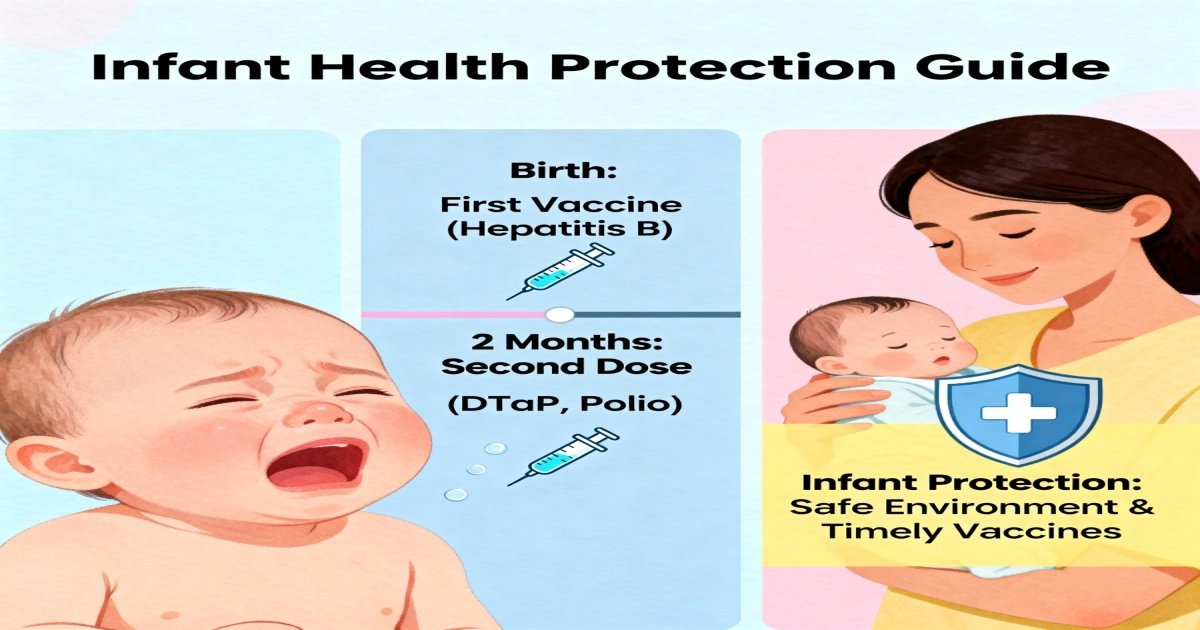
Vaccination is the most effective way to prevent pertussis. The CDC recommends:
- Five doses of the DTaP vaccine by age six for children.
- Tdap booster for preteens, adults, and pregnant individuals to protect themselves and newborns.
The Tdap vaccine is especially important for pregnant people. It should be given between 27 and 36 weeks of pregnancy to protect the newborn. If vaccine doses are missed, catch-up vaccinations are recommended to ensure proper protection.
What to Do If Exposed or Symptomatic
If you are exposed to pertussis or show symptoms, it is essential to:
- Seek testing and treatment early.
- Use antibiotics to alleviate symptoms if caught soon after infection.
- Isolate yourself to prevent spreading the disease, especially in homes with young children or those with weakened immune systems.
By taking these steps, you can help protect vulnerable members of your community.
Conclusion
Pertussis is a preventable disease. Updating vaccinations is a critical step to stop its spread. Parents, pregnant individuals, and caregivers must prioritize booster shots to protect themselves and their loved ones. Consult a healthcare provider to find the best vaccination schedule. By working together, we can reduce pertussis cases and prevent unnecessary deaths, especially among infants and young children.