
Medically Reviewed and Compiled by Dr. [Adam N. Khan], MD.
Quick Overview
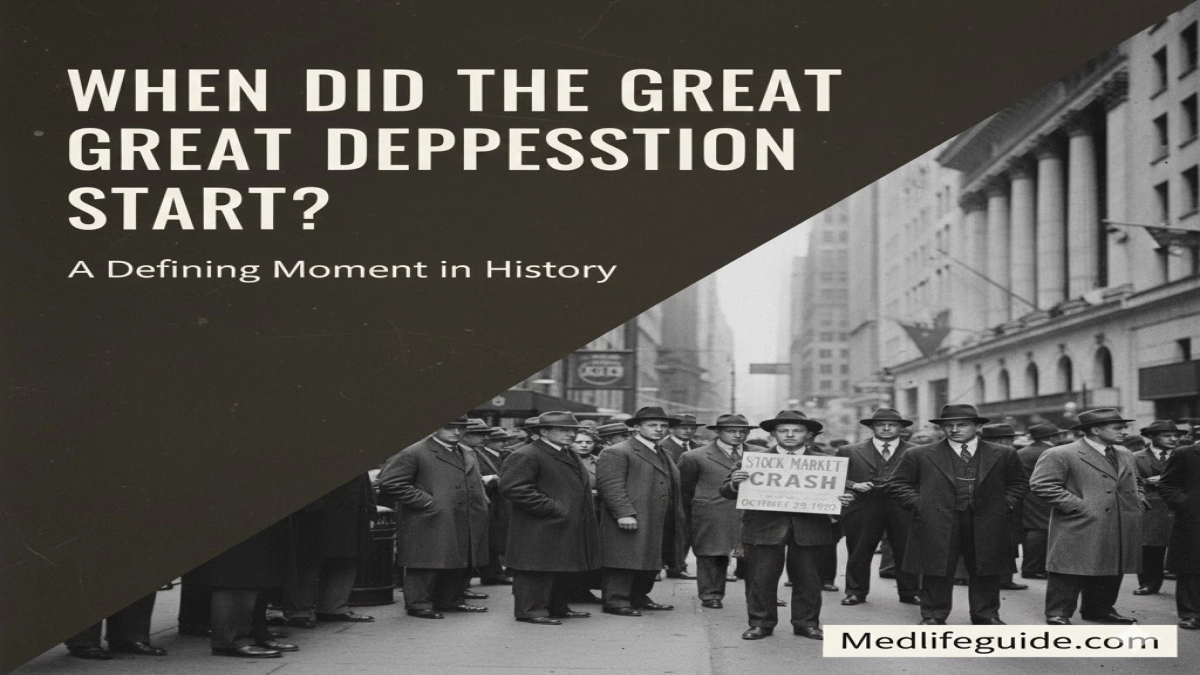
The Great Depression, the most severe economic downturn of the 20th century, began in 1929 and lasted throughout the 1930s, with global recovery extending into the early 1940s. Its onset is widely associated with the U.S. stock market crash in October 1929, but multipl
Medically Reviewed and Compiled by Dr. [Adam N. Khan], MD.
Quick Overview
The Great Depression, the most severe economic downturn of the 20th century, began in 1929 and lasted throughout the 1930s, with global recovery extending into the early 1940s. Its onset is widely associated with the U.S. stock market crash in October 1929, but multiple structural, financial, and policy factors contributed to its rapid escalation. Understanding the precise start and underlying causes provides critical insights into both historical economic crises and modern public health consequences.
Introduction: Understanding the Great Depression
The Great Depression was more than an economic event; it was a social, psychological, and public health phenomenon. Beyond unemployment and financial collapse, it triggered widespread malnutrition, mental health challenges, and chronic disease exacerbation. Clinically, it represents a unique population-level stressor, demonstrating the direct link between economic crises and health outcomes.
Determining the start of the Great Depression requires examining the pre-crash economic conditions, the stock market collapse, and the cascading effects on banks, businesses, and global trade.
Timeline Leading to the Great Depression
Early Precursors (1920s)
- Post–World War I economic optimism led to industrial expansion.
- Rapid technological advances increased production capacity.
- Excessive speculation in stocks created financial bubbles.
- Household debt expanded, making consumers vulnerable to economic shocks.
Stock Market Collapse (October 1929)
- Black Thursday – October 24, 1929: Panic selling begins; billions lost.
- Black Monday – October 28, 1929: Market declines accelerate.
- Black Tuesday – October 29, 1929: Massive sell-offs; widespread financial panic.
This sequence marks the commonly recognized start of the Great Depression in the U.S., although underlying economic vulnerabilities predated the crash.
1930–1933: Economic Contraction
- U.S. industrial production fell nearly 50%.
- Unemployment rose to 25%, with millions affected.
- Bank failures accelerated due to panic withdrawals.
- Deflation and contractionary monetary policies deepened economic decline.
Mid-1930s: Partial Recovery
- New Deal policies, including public works programs and banking reforms, provided some stabilization.
- Employment improved gradually, though unemployment remained high in many sectors.
- Global recovery varied; Europe and Latin America faced prolonged hardship.
Late 1930s–Early 1940s: Full Recovery
- Mobilization for World War II accelerated industrial production and employment.
- Economic activity in the U.S. and other industrialized nations returned to pre-Depression levels by the early 1940s.
Causes of the Great Depression
1. Financial Speculation and Stock Market Bubble
- Excessive margin buying fueled inflated stock prices.
- Lack of regulatory oversight allowed market manipulation.
- Crash of 1929 wiped out vast amounts of personal and institutional wealth.
2. Banking System Weaknesses
- Thousands of U.S. banks lacked deposit insurance.
- Bank runs led to closures and loss of savings.
- Credit contraction limited investment and consumer spending.
3. Industrial and Agricultural Overproduction
- Farms and factories produced more than market demand.
- Falling commodity and product prices reduced income and corporate profitability.
- Inventory accumulation forced layoffs and production cuts.
4. Unequal Wealth Distribution
- Wealth concentrated among the top 10% of households.
- Middle- and lower-income families relied on debt, limiting consumer demand.
- Limited purchasing power exacerbated economic vulnerability.
5. Decline in International Trade
- European nations struggled with post–World War I debt.
- Protectionist policies, such as the Smoot-Hawley Tariff (1930), reduced exports.
- Export-dependent economies suffered severe contractions.
6. Policy Failures
- Federal Reserve contraction of money supply worsened deflation.
- Delay in government intervention prolonged the downturn.
- Lack of social safety nets increased population vulnerability.
7. Global Interconnectedness
- U.S. financial collapse affected Europe, Latin America, and Asia.
- Gold standard constraints limited monetary flexibility in many countries.
Social and Public Health Impacts
Unemployment and Poverty
- Breadlines and shantytowns (Hoovervilles) proliferated.
- Millions experienced housing insecurity and loss of life savings.
- Rural populations were particularly affected by farm foreclosures.
Psychological and Mental Health Effects
- Increased rates of depression, anxiety, and suicide.
- Chronic stress contributed to cardiovascular disease and gastrointestinal disorders.
- Long-term mental health consequences persisted beyond economic recovery.
Nutrition and Development
- Malnutrition increased among children and vulnerable adults.
- Impaired growth and long-term health effects were documented in exposed populations.
Migration and Demographic Shifts
- Mass internal migration in search of work (e.g., Dust Bowl migration in the U.S.).
- Urbanization patterns shifted due to unemployment and economic need.
Unique Clinical Takeaways
1. Economic Crises as Population-Level Stressors
Economic collapse leads to heightened mental health risks, including depression, anxiety, and suicide.
Actionable insight: Public health systems should integrate mental health screening and interventions during large-scale economic downturns.
2. Nutritional Deficits and Chronic Health
Malnutrition during economic crises has long-lasting effects on physical and cognitive development.
Actionable insight: Coordinated nutritional support for vulnerable populations is essential to mitigate long-term morbidity.
3. Interplay Between Chronic Disease and Economic Stress
Financial insecurity exacerbates chronic medical conditions, including cardiovascular disease, diabetes, and gastrointestinal disorders.
Actionable insight: Monitoring and preventive care during economic downturns reduces long-term disease burden.
4. Long-Term Socioeconomic and Intergenerational Effects
Children exposed to economic stress experienced long-term educational and health disadvantages.
Actionable insight: Early-life interventions, including psychosocial support and educational assistance, improve lifetime outcomes.
Policy Responses
The New Deal (U.S.)
- Banking reforms and FDIC establishment
- Social Security and unemployment insurance
- Public works programs (CCC, WPA)
- Regulatory reforms for financial markets
Global Responses
- Abandonment of the gold standard for monetary flexibility
- Expansion of social welfare programs
- Fiscal stimulus and industrial policy measures
Lessons for Modern Economies
- Early detection and mitigation of financial instability
- Integration of fiscal, monetary, and social interventions
- Recognition of population health consequences of economic crises
Frequently Asked Questions
The Great Depression is widely considered to have started with the stock market crash in October 1929, although structural vulnerabilities existed prior to this date.
A combination of stock market speculation, banking failures, overproduction, unequal wealth distribution, and policy errors triggered the depression.
Chronic stress, malnutrition, and mental health challenges increased across affected populations, with long-term consequences for children and adults.
Medical Disclaimer
All content published on medlifeguide is intended for informational and educational purposes only and does not substitute professional medical advice, diagnosis, or treatment. Always consult a qualified healthcare provider regarding any medical condition, symptoms, or treatment decisions.