
Medically Reviewed and Compiled by Dr. Adam N. Khan, MD.
Quick Answer: The Best Foods to Eat
If you are looking for immediate relief, stick to the BRAT diet: Bananas, Rice (white), Applesauce, and Toast (white). Focus on low-fiber, bland foods that are easy on your digestive system. Drink plenty of fluids like broth or oral rehydration salts to replac
Medically Reviewed and Compiled by Dr. Adam N. Khan, MD.
Quick Answer: The Best Foods to Eat
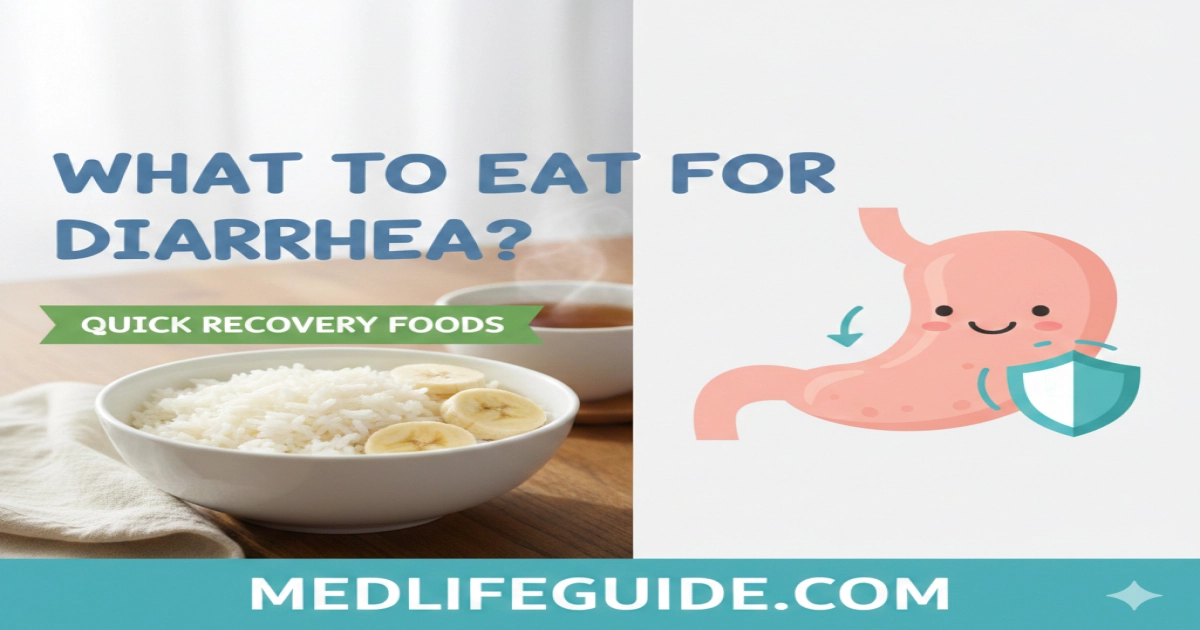
If you are looking for immediate relief, stick to the BRAT diet: Bananas, Rice (white), Applesauce, and Toast (white). Focus on low-fiber, bland foods that are easy on your digestive system. Drink plenty of fluids like broth or oral rehydration salts to replace lost electrolytes.
Understanding Diarrhea and Your Diet
When your digestive system is in revolt, the last thing you want to do is make it work harder. Diarrhea is your body’s way of quickly flushing out something it doesn’t like—whether that is a virus, bacteria, or a food sensitivity.
While it might be tempting to stop eating entirely, your body needs energy and nutrients to heal. The secret is choosing foods that are “gentle” on the gut. Think of your stomach like a bruised muscle; you wouldn’t run a marathon on a sprained ankle, so you shouldn’t eat a spicy burrito on an upset stomach.
The Foundation of Recovery: The BRAT Diet
For decades, doctors have recommended the BRAT diet. These foods are staples because they are low in fiber, protein, and fat, which means they don’t trigger more bowel movements.
- Bananas: These are high in potassium. When you have diarrhea, you lose important minerals (electrolytes), and bananas help put them back. They also contain pectin, a fiber that helps firm up stool.
- Rice: Stick to plain white rice. It’s easy to digest and provides quick energy without stressing the gut.
- Applesauce: This is easier to digest than a whole apple because the tough skin and cellular structure are broken down. It provides a bit of sugar for energy and more pectin.
- Toast: Choose plain white bread. While whole wheat is usually healthier, the fiber in whole grains can actually make diarrhea worse by speeding up the digestive tract.
Other Safe Foods to Add
Once you can handle the BRAT diet, you can slowly introduce other “safe” foods to give your body more strength:
- Boiled Potatoes: Peel them first. The skin has fiber you don’t need right now.
- Saltine Crackers: These provide a bit of sodium, which helps your body hold onto water.
- Baked Chicken or Turkey: Make sure it is skinless and prepared without butter, oil, or heavy spices. Lean protein helps your body repair itself.
- Farina or Oatmeal: These are soothing, warm cereals that are easy to swallow and digest.
The Importance of Hydration
Diarrhea’s biggest danger isn’t the discomfort—it’s dehydration. When fluids pass through you too quickly, your organs don’t get the water they need to function.
- Electrolyte Drinks: Look for sports drinks or “pediatric” rehydration solutions. These have the right balance of sugar and salt to help water soak into your cells.
- Clear Broths: Chicken or vegetable broth is excellent. It’s warm, easy on the stomach, and provides salt.
- Coconut Water: A natural source of potassium and electrolytes.
- Weak Tea: Ginger or chamomile tea can help soothe the lining of the stomach.
Foods to Avoid (The “Red List”)
Eating the wrong thing can turn a 24-hour bug into a three-day ordeal. Avoid these until you are 100% back to normal:
- Dairy Products: Even if you aren’t lactose intolerant, diarrhea can make you temporarily sensitive to milk and cheese.
- Fried and Fatty Foods: Fat is hard to digest and can “slick” the digestive tract, causing things to move even faster.
- Spicy Foods: Capsaicin (the heat in peppers) irritates the lining of the intestines.
- Artificial Sweeteners: Sorbitol and aspartame (found in diet sodas and sugar-free gum) have a laxative effect.
- Caffeine: Coffee and soda are stimulants that can “wake up” your bowels, making diarrhea more frequent.
When to See a Doctor
Most cases of diarrhea clear up within two days. However, you should call a healthcare professional if you experience:
- Signs of severe dehydration (extreme thirst, dark urine, dizziness).
- Blood in the stool or black, tarry stools.
- A high fever (over 102°F).
- Severe abdominal or rectal pain.
- Diarrhea that lasts longer than three days.
Summary Checklist for Healing
- Day 1: Focus almost entirely on clear liquids and electrolytes.
- Day 2: Introduce the BRAT diet (Bananas, Rice, Applesauce, Toast).
- Day 3: Add lean proteins like boiled chicken and soft vegetables.
- Ongoing: Avoid dairy, grease, and spice until your stools are completely firm.
Medical Disclaimer
This article is for informational purposes only and does not constitute professional medical advice, diagnosis, or treatment. Always seek the advice of your physician or other qualified health provider with any questions you may have regarding a medical condition. Never disregard professional medical advice or delay in seeking it because of something you have read in this article.