
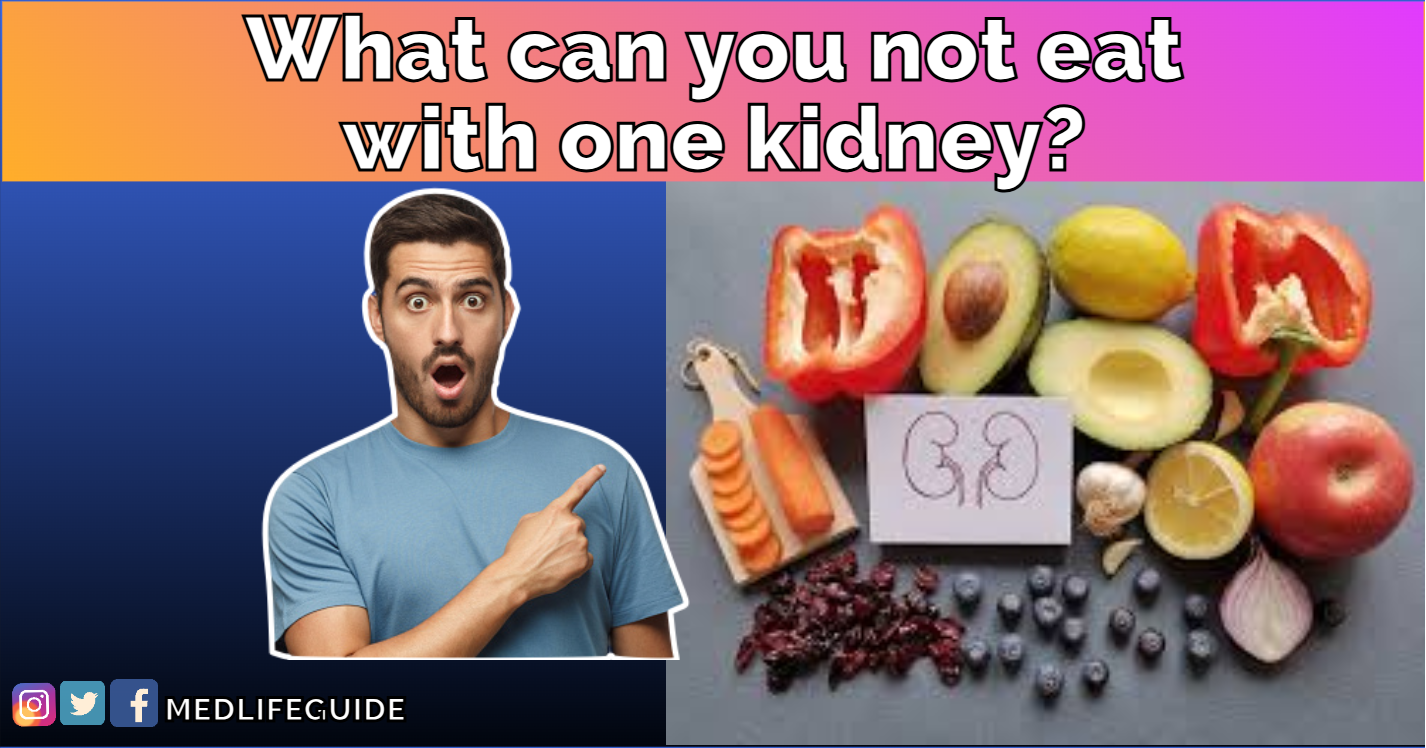
What can you not eat with one kidney? This is a critical question for individuals managing their health with a single kidney. A carefully planned diet plays a vital role in maintaining kidney function and overall well-being. This comprehensive guide will delve into the specific dietary restrictions and recommendations for people with one kidney, providin
What can you not eat with one kidney? This is a critical question for individuals managing their health with a single kidney. A carefully planned diet plays a vital role in maintaining kidney function and overall well-being. This comprehensive guide will delve into the specific dietary restrictions and recommendations for people with one kidney, providing clear and actionable advice to help you make informed food choices. We’ll explore the “do’s and don’ts” of nutrition for a single kidney, explain why certain foods are problematic, and offer practical tips for creating delicious and kidney-friendly meals.
This article aims to empower you with the knowledge you need to optimize your health with one kidney through smart food choices. We’ll break down complex medical concepts into easily digestible information, ensuring you understand the connection between your diet and your kidney health.
Understanding the Importance of Diet for a Single Kidney
Your kidneys are essential organs responsible for filtering waste and excess fluids from your blood. When you have only one kidney, it works harder to compensate, making it crucial to support its function through a balanced diet. Dietary restrictions for a single kidney often focus on limiting substances that can strain the remaining kidney, such as:
- Sodium: Excess sodium can lead to high blood pressure, putting extra stress on the kidney.
- Phosphorus: High phosphorus levels can disrupt mineral balance and contribute to bone problems.
- Potassium: Damaged kidneys may struggle to regulate potassium, and high levels can be dangerous for your heart.
- Protein: While protein is essential, excessive intake can overload the kidney’s filtering capacity.
Foods to Limit or Avoid with One Kidney
Now, let’s get to the specifics of what can you not eat with one kidney. Here’s a breakdown of food groups and items to limit or avoid:
- High-Sodium Foods: This category is a major culprit for kidney strain. Be wary of:
- Processed foods: Fast food, frozen meals, chips, deli meats, and canned goods are often loaded with sodium.
- Salty snacks: Chips, pretzels, and crackers should be consumed sparingly.
- Table salt: Use salt in moderation and explore herbs and spices for flavoring.
- High-Phosphorus Foods: Keeping phosphorus levels in check is vital. Limit:
- Dairy products: Milk, cheese, yogurt, and ice cream contain significant amounts of phosphorus.
- Beans and lentils: While nutritious, these are high in phosphorus. Soak them before cooking to reduce phosphorus content.
- Nuts and seeds: These are also high in phosphorus.
- Dark colas: These contain phosphoric acid.
- High-Potassium Foods: Potassium needs vary depending on the stage of kidney function. Consult your doctor or dietitian regarding these:
- Bananas: Known for their high potassium content.
- Potatoes: Especially white potatoes. Soaking them can help reduce potassium.
- Tomatoes: Limit tomato-based products.
- Oranges: Another fruit high in potassium.
- High-Protein Foods: While you need protein, moderation is key:
- Red meat: Limit portions and choose lean options.
- Poultry: Skinless chicken or turkey is preferable.
- Fish: Choose low-phosphorus options like cod or salmon.
- Other Foods to Consider:
- Alcohol: Can dehydrate the body and impair kidney function.
- Sugary drinks: Contribute to weight gain and can worsen kidney health.
Creating a Kidney-Friendly Diet Plan
Navigating dietary restrictions with one kidney might seem challenging, but it’s entirely manageable with careful planning. Here are some tips for creating a kidney-friendly diet plan:
- Work with a Registered Dietitian: A dietitian specializing in kidney disease can create a personalized meal plan tailored to your specific needs and lab values.
- Read Food Labels Carefully: Pay close attention to sodium, phosphorus, and potassium content.
- Cook at Home More Often: This gives you greater control over ingredients and portion sizes.
- Explore New Recipes: Discover delicious and kidney-friendly recipes online or in cookbooks.
- Stay Hydrated: Drinking plenty of water is essential for kidney function.
Example of a Kidney-Friendly Meal Plan
| Meal | Example Foods |
|---|---|
| Breakfast | Oatmeal with berries and low-fat milk |
| Lunch | Salad with grilled chicken and light vinaigrette |
| Dinner | Baked cod with roasted vegetables |
| Snacks | Apple slices with peanut butter, rice cakes |
Monitoring Your Progress
Regular check-ups and blood tests are essential for monitoring your kidney function and ensuring your diet is effective. Your doctor will track your lab values and adjust your dietary recommendations as needed.
Frequently Asked Questions (FAQs)
- Can I ever eat my favorite foods again? You may be able to enjoy some of your favorite foods in moderation. Talk to your dietitian about incorporating occasional treats into your meal plan.
- Are there any supplements I should take? Consult your doctor before taking any supplements, as some can be harmful to the kidneys.
- How can I manage cravings for restricted foods? Find healthy alternatives and focus on the positive aspects of your diet.
- Is it difficult to eat out with one kidney? Yes, but it’s possible. Choose restaurants carefully, ask about ingredients, and request modifications when necessary.
- Where can I find support and resources? The National Kidney Foundation and other organizations offer valuable information and support groups.
Conclusion: Empowering Your Health Through Diet
Managing your diet with one kidney is an act of self-care. By understanding what can you not eat with one kidney and making informed food choices, you can actively contribute to your long-term health and well-being. Remember, you’re not alone in this journey. Work closely with your healthcare team, embrace a positive mindset, and celebrate the positive impact of healthy eating on your life.
Take charge of your kidney health today! Schedule a consultation with a registered dietitian specializing in renal nutrition to create a personalized meal plan that meets your unique needs and preferences. Your health is worth it!