
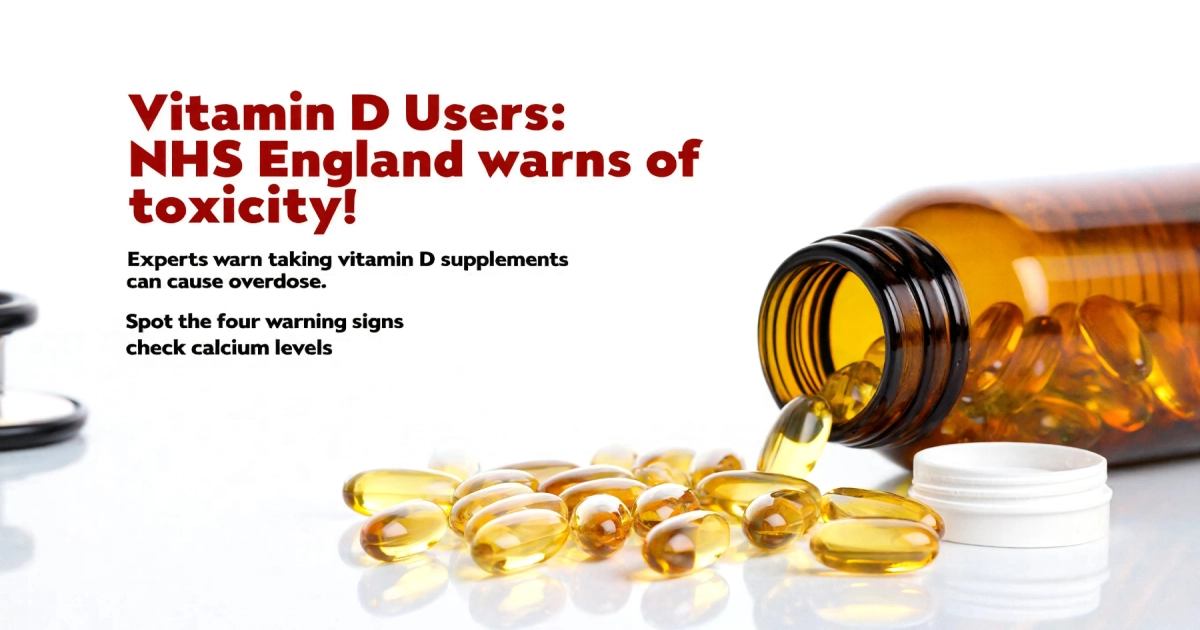
Are you a vitamin D user? NHS England has recorded multiple incidents of vitamin D toxicity, and experts warn about the risks of overdose. According to the NHS, it’s essential to understand the following:
- How much vitamin D should take
- The potential warning signs of excess vitamin D in your system
Understanding Vitamin D
What is Vitamin D?
Vitamin D is a crucial nutrient that helps the body absorb calcium and phosphate, which are essential for maintaining healthy bones and teeth; it’s so important to keep bones strong. The NHS emphasizes its significance, but it’s equally important to understand the risks of taking too much vitamin D supplements, which can lead to health complications.
Sources of Vitamin D
Our bodies naturally make vitamin D when exposed to sunlight. Additionally, you can get vitamin D from certain foods, such as oily fish, egg yolks, and fortified products. In autumn and winter, getting enough vitamin D from sunlight can be tough. So, many people think about taking a daily vitamin D supplement.
Importance of Vitamin D for Health
Vitamin D plays a vital role in keeping bones and muscles healthy. It supports the immune system and may protect against various chronic diseases. Getting enough vitamin D is key, especially in winter. Sunlight exposure drops, so many people turn to supplements with 10 micrograms of vitamin D to stay at healthy levels.
NHS Guidelines on Vitamin D Supplements
Recommended Dosage by NHS
The NHS recommends that adults and children over the age of one consider taking a daily vitamin D supplement containing 10 micrograms of vitamin D, particularly during autumn and winter. This helps to keep bones healthy. This recommendation is especially important for those who do not get enough vitamin D from sunlight or dietary sources.
How Much Vitamin D Should You Take?
The recommended daily intake of vitamin D is 400 IU (10 micrograms). Yet, some individuals may need higher doses based on their health conditions and vitamin D levels. Always consult with a healthcare professional to determine the appropriate dosage for you. Taking too much vitamin D can lead to hypercalcemia.
When to Consider Taking Vitamin D Supplements
Take a daily vitamin D supplement if you don’t get enough sunlight, especially in autumn and winter. People with darker skin, those who cover their skin for cultural reasons, and individuals with specific medical conditions should think about taking vitamin D supplements. This helps ensure they get enough vitamin D.
Risks of Vitamin D Toxicity
What is Vitamin D Toxicity?
Vitamin D toxicity, also known as hypervitaminosis D, is a condition that occurs when you have excessive amounts of vitamin D in your body. This typically happens from taking high doses of vitamin D supplements over a prolonged period. The NHS warns that taking too much vitamin D can lead to elevated calcium levels, which can cause a range of health problems. It’s crucial for vitamin D users to understand this risk and take vitamin D only as recommended.
Symptoms of Vitamin D Overdose
Recognizing the warning signs of a vitamin D overdose is essential for vitamin D users. Several symptoms may indicate vitamin D toxicity, including:
- Nausea
- Vomiting
- Muscle weakness
- Frequent urination
The NHS says that if you have these symptoms, you should get medical advice right away. Ignoring these symptoms and still taking daily vitamin D can cause serious health problems. The 400 IU dosage is enough for most.
Experts Warn: Recognizing the Signs
Experts warn that taking high doses of vitamin D supplements can raise the risk of toxicity. This risk is even greater without medical supervision. NHS England has noted several cases of vitamin D toxicity. This shows why it is crucial to stick to the recommended dosage guidelines. Understanding these potential issues will help vitamin D users take the supplement safely and improve their health.
Safe Practices for Vitamin D Users
How to Safely Take Vitamin D
To take vitamin D safely, follow NHS guidelines. It’s also important to talk to a healthcare professional to find the right dosage for you. The NHS says most adults should take a daily vitamin D supplement of 10 micrograms. This is especially important in autumn and winter. By following these guidelines, vitamin D users can minimize the risk of overdose and maintain optimal health.
Monitoring Your Intake
Monitoring your intake of vitamin D is crucial to prevent vitamin D toxicity. Check your food and supplement intake regularly. This helps you stay within the recommended limits. The NHS recommends that vitamin D users be aware of how much vitamin D they are consuming daily. People who take too much vitamin D may be at risk. It helps keep bones healthy throughout the year.
NHS Recommendations for Safe Usage
The NHS recommends that adults consider taking a daily vitamin D supplement containing 10 micrograms of vitamin D, particularly during autumn and winter months, when it is difficult to get enough vitamin D from sunlight. NHS England says this advice keeps bones and muscles healthy. It also reduces the risk of too much vitamin D. This is key for people who don’t get enough vitamin D from sunlight alone.
The Role of Vitamin D in Winter Months
Why Vitamin D is Crucial in Winter
During the winter months, sunlight exposure decreases, making it harder for our bodies to make enough vitamin D naturally. The NHS suggests that people who use vitamin D should think about taking a daily supplement. This helps make up for less sunlight. Not getting enough vitamin D can harm many body functions. This shows why supplements are important during these months. The daily vitamin D supplement is crucial for maintaining health and well-being.
Supplements vs. Natural Sources
Natural sources like sunlight and some foods are good for you. But in autumn and winter, they might not provide enough vitamin D on their own. Vitamin D supplements offer a reliable way to meet your vitamin D needs. The NHS advises these supplements to help with deficiency, especially when it’s tough to find natural sources.
Keeping Bones and Muscles Healthy
Vitamin D is essential to keep bones and muscles healthy. It aids in the absorption of calcium, which is vital for bone strength. The NHS highlights the importance of getting enough vitamin D. This helps prevent bone problems, especially in winter. Making sure that vitamin D users take vitamin D is a great way to keep bones strong.
Conclusion
Final Thoughts on Vitamin D
In conclusion, vitamin D is a vital nutrient, especially during the autumn and winter when sunlight is limited. The NHS suggests that people who use vitamin D take a daily supplement. This helps keep levels at their best. However, it’s crucial to follow the guidelines and avoid overdose, as taking too much vitamin D can lead to vitamin D toxicity and other health problems.
Staying Informed and Healthy
Stay informed about the NHS guidelines and recommendations for vitamin D intake. Be aware of the one of four symptoms of vitamin D toxicity, and monitor your vitamin D levels, especially if you are taking vitamin D supplements. Staying healthy means finding balance. Using vitamin D wisely can boost your well-being all year long.
Consulting with Healthcare Professionals
Always consult with a healthcare professional before starting any new vitamin D supplement regimen. They can evaluate your needs, test your vitamin D levels, and give tailored advice on the right dosage. The NHS advises vitamin D users to get professional help. This is important for safe and effective supplementation, especially if you might be taking too much.