
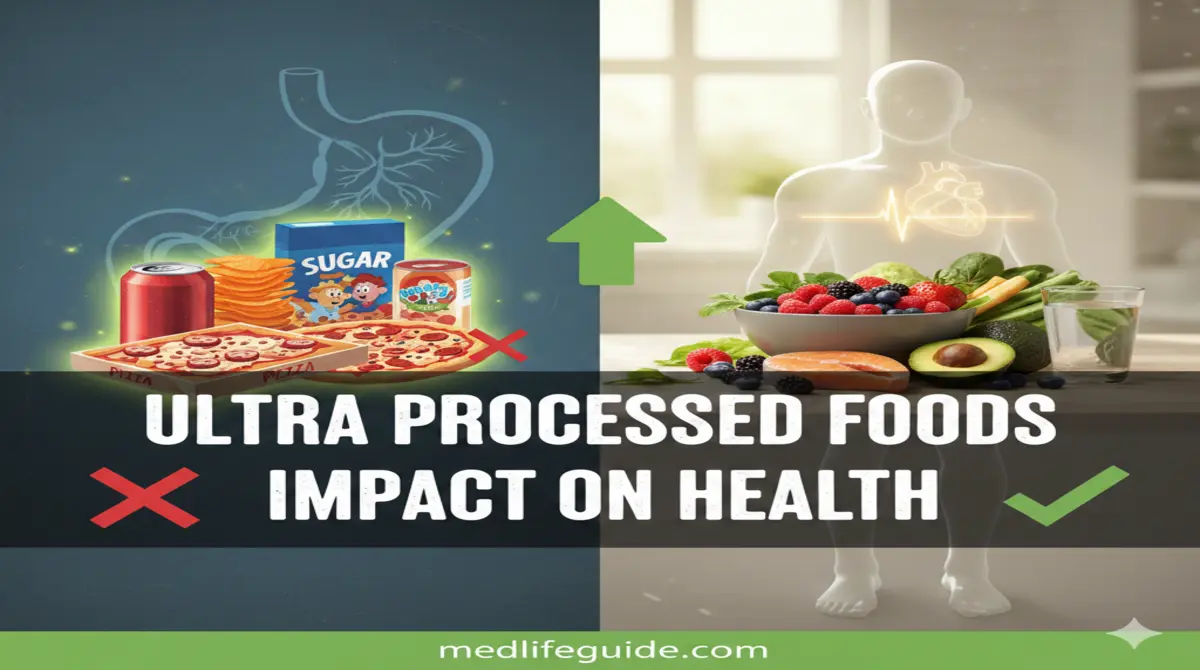
Ultra processed foods are industrial food products made mostly from refined substances, additives, and artificial ingredients. These foods are designed for long shelf life, strong flavor, and convenience rather than nutritional value. In the United States, ultra processed foods account for more than half of daily calorie intake in many adults and children
Ultra processed foods are industrial food products made mostly from refined substances, additives, and artificial ingredients. These foods are designed for long shelf life, strong flavor, and convenience rather than nutritional value. In the United States, ultra processed foods account for more than half of daily calorie intake in many adults and children. Strong medical evidence links regular consumption to multiple chronic diseases.
This article explains what ultra processed foods are, how they affect the body, associated health risks, and clinically relevant insights for patients and healthcare decision-making.
What Are Ultra Processed Foods?
Definition (NOVA Classification)
Ultra processed foods are classified under the NOVA food system as Group 4 foods. They are products created through multiple industrial processes and contain ingredients not commonly used in home cooking.
Common Characteristics
- High in added sugars, salt, and unhealthy fats
- Low in fiber, protein, and micronutrients
- Contain preservatives, emulsifiers, flavor enhancers, and colorants
- Ready-to-eat or heat-and-serve products
Examples of Ultra Processed Foods
- Sugary breakfast cereals
- Packaged snacks and chips
- Soft drinks and energy drinks
- Instant noodles
- Fast food burgers and fries
- Processed meats (hot dogs, sausages)
How Ultra Processed Foods Affect the Body
Impact on Metabolism
Ultra processed foods are rapidly digested, causing sharp spikes in blood glucose and insulin levels. This increases insulin resistance over time.
Effect on Gut Health
Additives such as emulsifiers and artificial sweeteners alter gut microbiota composition. Disruption of gut bacteria is linked to inflammation and metabolic disease.
Appetite Dysregulation
These foods interfere with satiety hormones such as leptin and ghrelin, leading to overeating and higher calorie intake.
Health Risks Linked to Ultra Processed Foods
Obesity and Weight Gain
Multiple cohort studies show a direct association between ultra processed food intake and increased body mass index (BMI), waist circumference, and visceral fat.
Type 2 Diabetes
High intake increases insulin resistance and pancreatic stress. Long-term consumption significantly raises diabetes risk independent of total calories.
Cardiovascular Disease
Ultra processed foods contribute to:
- Hypertension
- Dyslipidemia
- Endothelial dysfunction
These factors increase the risk of heart attack and stroke.
Chronic Kidney Disease
Excess sodium, phosphorus additives, and acid load from ultra processed foods accelerate kidney damage, especially in patients with early-stage kidney disease.
Cancer Risk
Preservatives, nitrates, and thermal processing byproducts are associated with increased risk of colorectal and breast cancer.
Ultra Processed Foods and Mental Health
Depression and Anxiety
Higher consumption correlates with increased rates of depression and mood disorders. Chronic inflammation and gut-brain axis disruption are contributing mechanisms.
Cognitive Decline
Diet patterns high in ultra processed foods are linked to poorer memory performance and higher dementia risk in long-term studies.
Unique Clinical Takeaways
1. Hidden Kidney Risk in “Low-Fat” Ultra Processed Foods
Patients with early kidney disease often choose low-fat packaged foods believing they are safer. Many of these products contain high phosphorus additives not listed clearly on nutrition labels. Phosphorus from additives is absorbed at nearly 100%, increasing renal workload and accelerating kidney function decline.
Clinical implication: Kidney patients should be counseled to avoid ingredient terms such as “phosphate,” “phosphoric acid,” and “polyphosphates,” even when fat and calories appear low.
2. Ultra Processed Foods Mimic Endocrine Disorders
Symptoms such as fatigue, weight gain, insulin resistance, and hormonal imbalance may resemble endocrine disorders like hypothyroidism or polycystic ovary syndrome. In some patients, dietary removal of ultra processed foods leads to symptom improvement without medication changes.
Clinical implication: Dietary assessment should be part of differential diagnosis before escalating endocrine treatment.
3. Socioeconomic and Patient-Experience Factors
Ultra processed foods are heavily marketed in low-income communities due to affordability and shelf stability. Patients may rely on these foods due to time constraints, food deserts, or limited cooking facilities.
Clinical implication: Medical advice must include realistic, culturally appropriate food substitutions rather than generic dietary restrictions.
Ultra Processed Foods in Children and Adolescents
Growth and Development Concerns
High intake is associated with:
- Early-onset obesity
- Poor bone mineral density
- Iron and zinc deficiencies
Long-Term Disease Programming
Early dietary exposure increases lifetime risk of metabolic syndrome and cardiovascular disease.
How to Reduce Ultra Processed Food Intake
Practical Medical Guidance
- Choose foods with five or fewer ingredients
- Prioritize fresh or frozen fruits and vegetables
- Replace sugary drinks with water or milk
- Cook simple meals at home when possible
- Read ingredient lists, not just nutrition labels
Public Health Perspective
Ultra processed foods are now recognized as a major public health issue. Policy-level interventions such as front-of-package labeling, marketing restrictions to children, and sodium reduction programs are supported by medical organizations.
Medical Disclaimer
This content is for informational and educational purposes only and does not substitute professional medical advice, diagnosis, or treatment. Always consult a qualified healthcare provider regarding dietary changes or medical conditions