
Medically Reviewed and Compiled by Dr. Adam N. Khan, MD.
The Doll That Looks Like You
For decades, Barbie has been a pilot, an astronaut, and a doctor. But for millions of children living with chronic conditions, she didn’t always look like “them.” That changed with the introduction of the Type 1 Diabetes (T1D) Barbie. Thi
Medically Reviewed and Compiled by Dr. Adam N. Khan, MD.
The Doll That Looks Like You
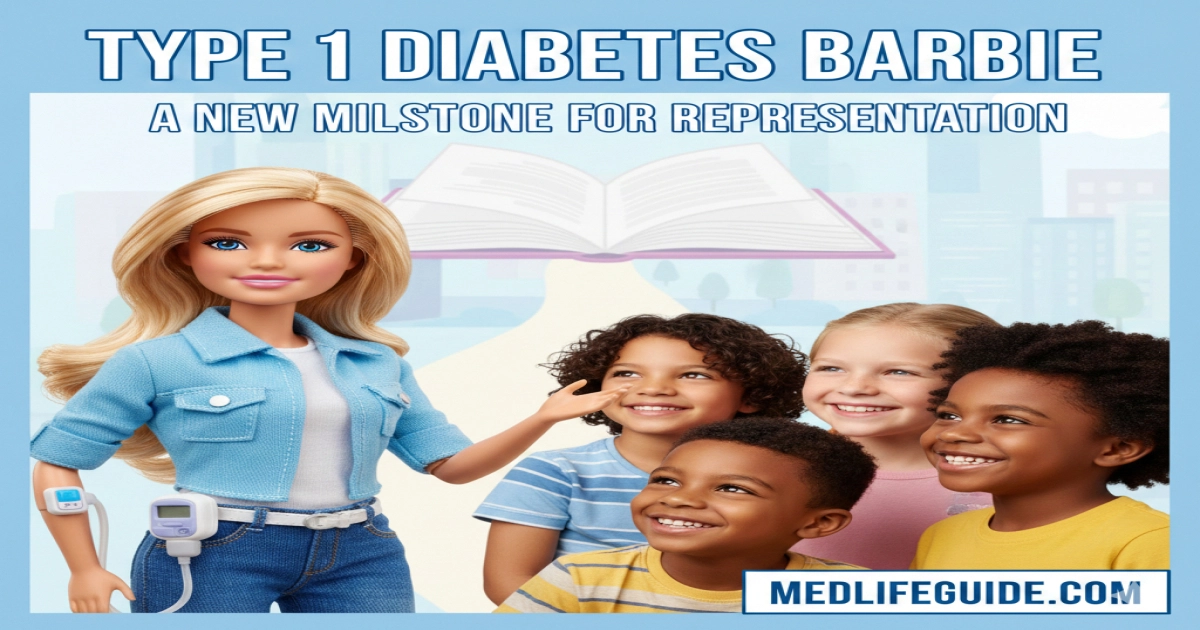
For decades, Barbie has been a pilot, an astronaut, and a doctor. But for millions of children living with chronic conditions, she didn’t always look like “them.” That changed with the introduction of the Type 1 Diabetes (T1D) Barbie. This isn’t just a toy; it is a tool for confidence. By wearing an insulin pump and a continuous glucose monitor (CGM), this doll tells every child with T1D that their journey is normal, brave, and worth celebrating.
Why Representation in the Toy Box Matters
Children develop their sense of self through play. When a child who pricks their finger multiple times a day or wears a device on their arm sees the same gear on a Barbie, something powerful happens. It removes the “stigma” of being different.
The JDRF (Juvenile Diabetes Research Foundation) has long advocated for visibility, noting that representation helps reduce the psychological burden of the disease. When a medical device becomes a “cool accessory” on a world-famous doll, the child feels less like a patient and more like a kid.
A Close Look at the T1D Barbie Features
Mattel worked to ensure the medical details were accurate. The doll set typically includes:
- A CGM (Continuous Glucose Monitor): Usually placed on the upper arm, just like the real devices used to track blood sugar levels in real-time.
- An Insulin Pump: Often clipped to the doll’s clothing with a small tube (cannula) connecting to the body.
- Health Accessories: Some versions include a glucose monitoring kit or “low sugar” snacks to help explain the daily routine of a diabetic.
Breaking the “Invisible” Illness Barrier
Type 1 Diabetes is often called an invisible illness. You can’t tell someone has it just by looking at them—unless you see their tech. By putting these devices front and center, Mattel is teaching children without diabetes about empathy. It starts a conversation in the classroom or at a playdate: “What is that on her arm?” This allows for education instead of staring.
The Impact on the T1D Community
Parents of “Type One-derful” kids have flooded social media with emotional reactions. For many, it’s the first time they haven’t had to “DIY” a doll by gluing a bead to its arm to mimic a sensor.
The American Diabetes Association emphasizes that managing T1D is a 24/7 job. Seeing a global icon like Barbie “managing” it too provides a sense of solidarity. It proves that having T1D doesn’t stop you from being a fashionista, an athlete, or anything else Barbie represents.
Empowering the Next Generation
The Type 1 Diabetes Barbie is part of the Barbie Fashionistas line, which is the most diverse doll line on the market. By including dolls with vitiligo, wheelchairs, and hearing aids, Mattel is redefining beauty standards. For the T1D community, this doll is a badge of honor. It’s a reminder that while the pancreas might need a little help from technology, the child’s potential is limitless.
Medical Disclaimer: The information in this article is for educational and representational purposes only and does not constitute medical advice. Always seek the advice of your physician or other qualified health provider with any questions you may have regarding a medical condition or the management of Type 1 Diabetes.