
Medically Reviewed and Compiled by Dr. Adam N. Khan, MD.
Tuberculosis, often called TB, is a health topic that has recently returned to the headlines in Malaysia. While many people think of TB as a disease from the past, the start of 2026 has shown us that it is still a very real challenge for our communities. As of early February 2026, health official
Medically Reviewed and Compiled by Dr. Adam N. Khan, MD.
Tuberculosis, often called TB, is a health topic that has recently returned to the headlines in Malaysia. While many people think of TB as a disease from the past, the start of 2026 has shown us that it is still a very real challenge for our communities. As of early February 2026, health officials have identified several active clusters across the country.
The good news is that TB is both preventable and curable. By understanding how it spreads and what to look for, we can protect ourselves and our loved ones. This article breaks down the current situation in Malaysia, the signs of the disease, and the steps being taken to keep the public safe.
The Current Situation in Malaysia (2026)
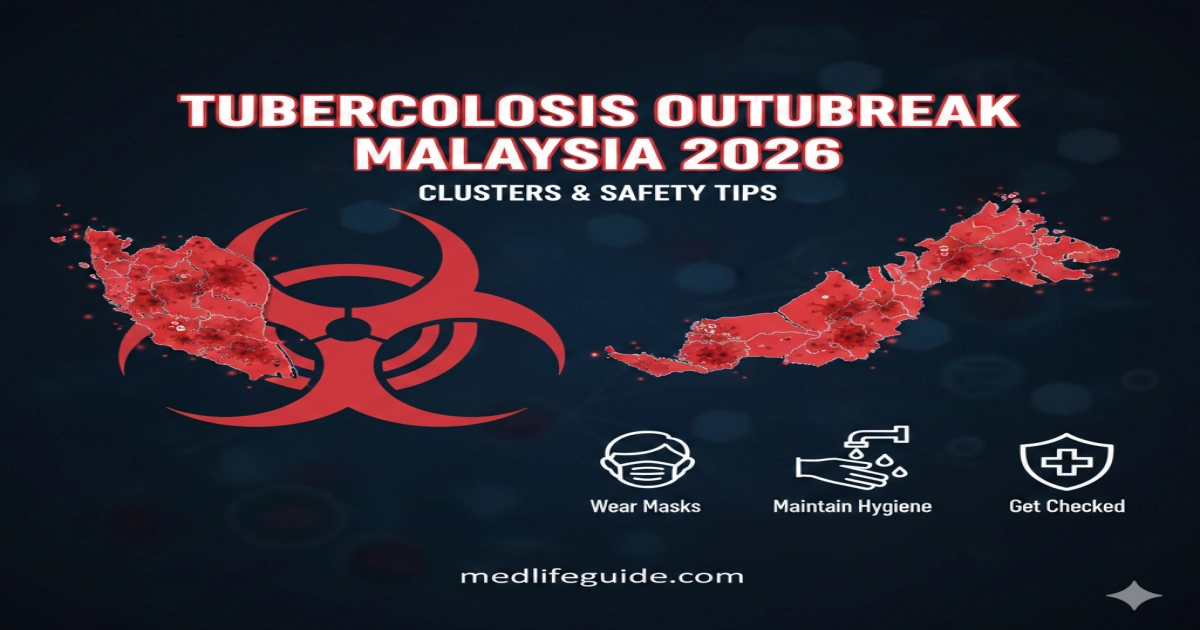
In the first five weeks of 2026, Malaysia reported a total of 2,571 TB cases. This is a nearly 10% increase compared to the same time last year. Health Minister Datuk Seri Dr. Dzulkefly Ahmad recently shared that there are currently 10 active clusters nationwide.
Where are the clusters located?
Clusters happen when two or more people catch the disease in the same place or from the same person. Currently, the most affected areas include:
- Selangor: The state with the most new clusters (four active groups).
- Johor: Home to a significant cluster in Kota Tinggi, where over 30 people tested positive after being in contact with a local teacher.
- Other States: Smaller clusters have also been found in Kedah, Kelantan, Pahang, Perlis, and Sabah.
Health experts are paying close attention to “institutional” clusters. These are groups of cases that happen in places like schools, workplaces, or dormitories. Because people spend a lot of time together in these indoor spaces, the bacteria can spread more easily.
What Exactly is Tuberculosis?
TB is an infection caused by a tiny germ called Mycobacterium tuberculosis. It mostly attacks the lungs, but it can sometimes affect other parts of the body like the brain or kidneys.
How It Spreads
TB is an airborne disease. When a person with active TB in their lungs coughs, sneezes, or even speaks, they release tiny droplets into the air. If you breathe in these droplets, you can become infected.
It is important to know that you usually don’t get TB from a quick handshake or by sharing a meal. It typically requires spending several hours a day near someone who is sick, which is why it often spreads among family members or coworkers.
The “Hidden” Version: Latent TB
Not everyone who breathes in the bacteria gets sick right away. Some people have Latent TB. This means the germs are “asleep” in their body. They don’t feel sick and cannot spread the germs to others. However, if their immune system gets weak—due to age, stress, or other illnesses—the germs can “wake up” and cause active TB.
Symptoms: When to See a Doctor
The symptoms of TB can start slowly, so it is easy to mistake them for a bad cold or the flu. However, if you have a cough that lasts more than two weeks, you should visit a clinic immediately.
Other common warning signs include:
- Feeling very tired all the time (fatigue).
- Unexplained weight loss or loss of appetite.
- Fever and chills.
- Night sweats (waking up with damp pajamas or sheets).
- Coughing up blood or thick phlegm.
How is TB Treated in Malaysia?
If you are diagnosed with TB, there is no need to panic. Malaysia has a very strong system for treating the disease. The treatment usually lasts at least six months.
The Medication Routine
Patients are typically given a combination of four main antibiotics: Isoniazid, Rifampicin, Ethambutol, and Pyrazinamide.
- The First 2 Months: This is the “intensive phase” to kill as many germs as possible.
- The Next 4 Months: This is the “maintenance phase” to make sure no hidden germs are left behind.
The DOTS Strategy
To make sure patients get well and don’t develop “drug-resistant” TB, Malaysia uses a method called Directly Observed Therapy (DOT). This means a healthcare worker or a trained family member watches the patient take their medicine every day. It sounds strict, but it is the best way to ensure the disease is fully cured.
Prevention: How to Stay Safe
The Ministry of Health is working hard to trace contacts of those who are sick, but there are things you can do to help:
- Improve Ventilation: Keep windows and doors open to let fresh air circulate. TB germs hate fresh air and sunlight.
- Practice Cough Etiquette: Always cover your mouth with a tissue or your elbow when you cough or sneeze.
- Wear a Mask: If you are in a crowded, poorly ventilated place, wearing a face mask can add a layer of protection.
- Vaccination: Ensure that newborns receive the BCG vaccine. While it doesn’t always prevent TB in adults, it protects children from the most severe forms of the disease.
- Get Screened: If you have been near someone with TB, go for a check-up even if you feel fine. Early detection prevents the disease from spreading to your family.
Final Thoughts
The rise in TB clusters in 2026 reminds us that we must stay alert. TB is not a “shameful” disease; it is a medical condition that can happen to anyone. By seeking help early and finishing the full course of treatment, we can stop the cycle of infection and keep Malaysia healthy.