
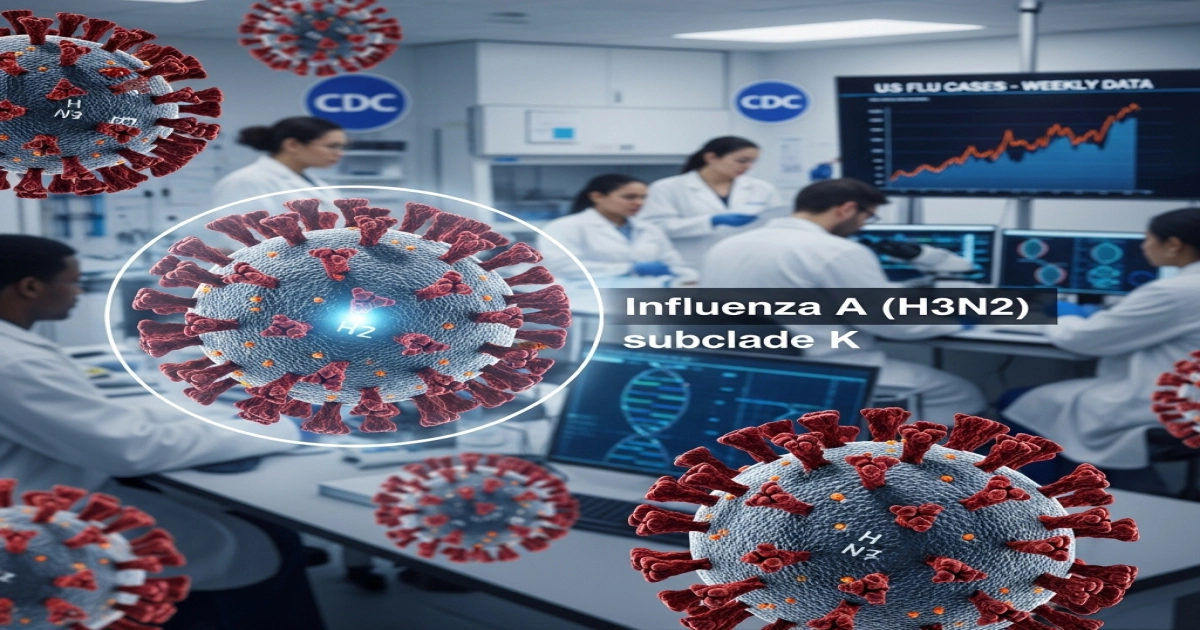
The 2025-2026 flu season presents a new challenge. A about variant has emerged. As flu cases rise across the US, understanding the characteristics of this new strain and taking preventive measures is crucial for protecting yourself and your community. This article will explore the current flu activity. It will focus on the main virus, subclade K, and what i
The 2025-2026 flu season presents a new challenge. A about variant has emerged. As flu cases rise across the US, understanding the characteristics of this new strain and taking preventive measures is crucial for protecting yourself and your community. This article will explore the current flu activity. It will focus on the main virus, subclade K, and what it means for public health.
Understanding the Current Flu Season
The current flu season shows a rise in flu cases across the country. This increase worries healthcare professionals and the CDC. High levels of flu activity, categorized as high or very high in many regions, indicate a widespread circulation of influenza viruses. Tracking flu spread and knowing its traits are key to reducing its effects on public health and personal well-being.
Overview of Flu Activity Across the U.S
Across the US, flu activity is being closely monitored by the CDC. The 2025-2026 flu season has more flu cases than in past years. Many states are reporting high or very high influenza activity. The dominant flu strains circulating include H3N2, particularly a new variant called subclade K. Understanding the geographical distribution of flu activity allows for targeted public health interventions and resource allocation.
Flu Cases and Their Impact on Public Health
The rise in flu cases during the 2025-2026 season is having a notable impact on public health. Increased hospitalization rates, particularly among vulnerable populations such as young children and the elderly, are straining healthcare systems. The CDC highlights how vaccination helps lower illness severity and prevent flu complications. This is key for protecting public health during cold and flu season.

Key Symptoms of the New Flu Variant
The new variant, called subclade K, presents with flu symptoms similar to those of other influenza viruses. These often include:
- Fever
- Cough
- Sore throat
- Body aches
- Fatigue
Some individuals may also experience respiratory symptoms like congestion and a runny nose. Telling a cold from the flu can be tough. Flu tests may help confirm a diagnosis. This is important since symptoms often overlap with other illnesses like COVID-19 and RSV.
Vaccination and Prevention Strategies
The Importance of the Flu Vaccine
The 2025-2026 flu season underscores the critical role of the flu vaccine in protecting against influenza viruses. Getting vaccinated against the flu is the most effective way to prevent the spread of flu and reduce the risk of severe illness and flu complications. The CDC advises everyone six months and older to get a flu shot each year. This is especially important during cold and flu season to protect yourself and those around you. Flu vaccination significantly strengthens immune systems.
Getting the 2025-2026 Flu Shot
The 2025-2026 flu vaccine is designed to protect against the influenza viruses most likely to circulate during the flu season. According to the CDC, getting the flu shot is crucial for preventing the flu, especially with the emergence of the new variant called subclade K. The flu vaccine is updated annually to match the currently circulating flu strains, making flu vaccination a vital component of public health efforts to combat the spread of the flu. The 2025-2026 flu vaccine is our best defense.
Addressing Common Concerns About Vaccination
Addressing concerns about the flu vaccine is essential to promote flu vaccination. Some individuals worry about potential side effects, but serious reactions are rare. The flu vaccine cannot give you the flu, as the flu shot either contains inactivated influenza viruses or uses a single protein from the flu virus. The CDC provides resources to address concerns and highlight the safety and effectiveness of the flu vaccine in preventing influenza cases. Getting vaccinated ensures greater public health during the 2025-2026 season.
Flu Variants and Their Implications
Overview of the New Strain: Subclade K
A new strain called subclade K has emerged. This is a troubling development for the 2025-2026 season. Subclade K, a new variant of the H3N2 flu virus, has been identified as the dominant virus causing a rise in flu cases across the U.S. Understanding the characteristics of this strain is crucial for informing public health strategies and vaccine effectiveness. The CDC is closely monitoring the spread of flu and the impact of subclade K on public health across the U.S.
Mutation Patterns of the Flu Virus
Influenza viruses are known for their ability to mutate, leading to the emergence of new strains and variants. Mutation allows the virus to evade immune systems and cause seasonal flu outbreaks. The CDC monitors these mutation patterns to predict which strains are most likely to circulate during the flu season. Understanding mutation patterns helps develop flu vaccines. These vaccines protect against both current and new threats, like subclade K. Monitoring flu strains can also limit their spread.
Comparison of H3N2 and Other Flu Strains
Comparing H3N2, especially subclade K, with other flu strains helps us see its unique traits and possible effects. While H3N2 has historically been associated with more severe flu seasons, the emergence of the virus called subclade K presents new challenges. Understanding the differences in transmissibility, severity, and vaccine effectiveness between these strains is crucial for guiding prevention and treatment strategies. The Centers for Disease Control (CDC) is also monitoring the impact on hospitalization and public health this flu season, 2025-2026.
Managing Flu Symptoms and Treatment
Recognizing Flu-like Symptoms Early
During the 2025-2026 flu season, it’s essential to recognize flu-like symptoms early to prevent severe illness. Common flu symptoms include fever, cough, sore throat, body aches, and fatigue. Flu symptoms can look like those of other respiratory infections, such as COVID-19 and RSV. So, it’s important to use testing to tell them apart. Early recognition allows for timely treatment and reduces the spread of flu. The CDC recommends staying informed about current flu activity and flu symptoms across the U.S.
At-home Flu Tests and What to Expect
With the uptick in flu cases during the 2025-2026 flu season, at-home flu tests have become a valuable tool. Flu tests can show if you have the flu virus. They’re especially useful when flu symptoms mix with other respiratory infections. The CDC provides information on how to properly use and interpret at-home flu tests. Knowing your status helps you make smart choices about treatment and isolation. This can reduce the spread of flu in the community. It’s crucial to consult with healthcare professionals for further guidance.
When to Seek Medical Attention for Flu Illness
Knowing when to seek medical attention for flu illness is vital, especially during the 2025-2026 flu season where the virus called subclade K is dominant. If you experience severe flu symptoms such as difficulty breathing, persistent chest pain, or a high fever, seek medical care immediately. The CDC advises watching those with health issues and vulnerable groups closely. This includes young children and the elderly, as they may face complications. Prompt medical attention can prevent hospitalization and severe flu complications.
Flu Season Impact on Families and Children
Protecting Young Children from Flu Spread
Protecting young children from the spread of flu is a key concern during the 2025-2026 flu season. Young children are more susceptible to flu complications and hospitalization due to their developing immune systems. The CDC recommends that everyone six months and older get a flu shot to protect against influenza viruses. Practicing good hygiene is key. Wash your hands often and avoid close contact with sick people. These steps are essential. Flu vaccination is a crucial tool to prevent the spread of flu within families and communities.
Encouraging Healthy Practices in Families
Promoting healthy habits in families is key to fighting the flu. This is especially true with the new variant, subclade K, this flu season. Teach kids to cover their mouths when they cough or sneeze. They should wash their hands often and avoid touching their faces. Ensure that family members stay home when they are sick to prevent further spread of the flu. Promoting these healthy habits can significantly reduce the risk of influenza cases within the family and contribute to overall public health.
Resources for Parents on Flu Prevention
The CDC offers numerous resources for parents on flu prevention, including guidelines on flu vaccination, symptom recognition, and treatment options. These resources provide valuable information to help parents protect their children during the 2025-2026 flu season. Parents can visit the CDC website for trustworthy info. It has updates on flu activity and tips to prevent severe illness. Using these resources helps parents stay informed. This way, they can better protect their families from influenza viruses. Receiving a flu shot can help parents protect their children from getting the flu.
Medical Disclaimer
All content published on medlifeguide is intended for informational and educational purposes only and does not substitute professional medical advice, diagnosis, or treatment. Always consult a qualified healthcare provider regarding any medical condition, symptoms, or treatment decisions.