
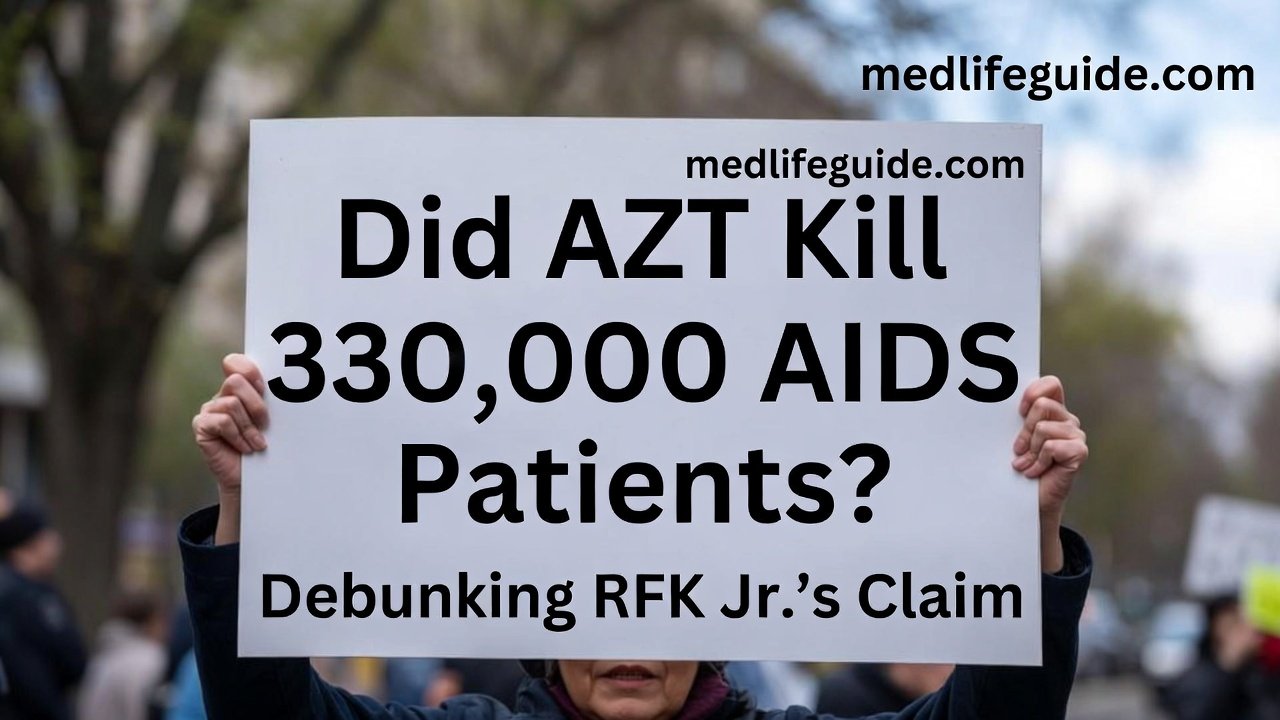
In recent years, prominent figures like Robert F. Kennedy Jr. (RFK Jr.) have revived old narratives about azidothymidine (AZT), the first approved treatment for HIV/AIDS. A specific claim circulating in videos and discussions suggests AZT was responsible for around 330,000 deaths among AIDS patients—more than the virus itself in some telling. Infectiou
In recent years, prominent figures like Robert F. Kennedy Jr. (RFK Jr.) have revived old narratives about azidothymidine (AZT), the first approved treatment for HIV/AIDS. A specific claim circulating in videos and discussions suggests AZT was responsible for around 330,000 deaths among AIDS patients—more than the virus itself in some telling. Infectious diseases expert Dr. Neil Stone has publicly countered this, highlighting AZT’s role as a groundbreaking therapy in 1987 that turned a near-certain death sentence into a manageable condition for many, paving the way for modern treatments.
This post examines the historical facts, peer-reviewed evidence, and context behind these claims.
What Was AZT and Why Did It Matter in 1987?
AZT (also known as zidovudine) received FDA approval in March 1987 as the first antiretroviral drug for AIDS. At the time, HIV/AIDS was a rapidly fatal illness with no effective treatments. Patients often died within months of an AIDS diagnosis due to opportunistic infections and immune collapse.
The pivotal 1987 double-blind, placebo-controlled trial (published in the New England Journal of Medicine) showed AZT significantly reduced mortality and opportunistic infections in the short term. The trial was stopped early due to clear benefits in the AZT group.
Follow-up data reinforced this:
- A 1989 extension study in JAMA (by the AZT Collaborative Working Group, including lead author Margaret Fischl) tracked patients for about 21 months. Survival rates were around 84.5% at 12 months and 57.6% at 21 months for those originally on AZT, compared to lower rates in delayed-treatment groups.
- Other analyses showed AZT extended median survival substantially—often cited in ranges of several times longer than untreated historical controls (e.g., some observational data suggested 4-5 times improvement in early phases, though exact multipliers varied by study and patient group).
While AZT was toxic (causing anemia, neutropenia, and other side effects requiring dose adjustments), its net benefit was clear: it slowed viral replication by inhibiting reverse transcriptase, buying time against a disease that previously offered none.
AZT was the first effective treatment for HIV
— Neil Stone (@DrNeilStone) March 9, 2026
Until it came along HIV/AIDS was a death sentence
AZT saved many lives and became an essential part of HIV treatment until it was replaced by better therapies
RFK Jr is talking nonsense here
Not great for a Health Secretary.. https://t.co/8sJGygutqe
The Shift to Combination Therapy: From AZT Monotherapy to HAART
AZT’s limitations became apparent over time—viral resistance developed, and monotherapy benefits waned. By the mid-1990s, highly active antiretroviral therapy (HAART)—combining AZT or similar drugs with protease inhibitors and others—dramatically changed outcomes. Death rates plummeted, transforming HIV into a chronic, manageable condition.
AZT laid the foundation. Without it proving antiretrovirals could work, the rapid development of combination regimens might have been delayed.
Where Does the “330,000 Deaths” Claim Come From?
This figure appears tied to broader misinformation campaigns, often linked to AIDS denialism or critiques of early public health responses. Fact-checks (e.g., from AP, USA Today, and GLAAD) have addressed similar assertions that AZT “killed more people than AIDS” or directly caused massive fatalities.
No credible peer-reviewed source attributes 330,000 deaths directly to AZT toxicity. The number may stem from misinterpretations of:
- Early high mortality in AIDS patients (even on treatment, due to advanced disease).
- South African policy delays under Thabo Mbeki (where denial of antiretroviral access led to an estimated 330,000 preventable deaths, per Harvard studies—not AZT itself).
- Exaggerated claims in books like RFK Jr.’s The Real Anthony Fauci, which echoes denialist views questioning HIV’s role in AIDS or overstating AZT harms.
RFK Jr.’s narratives often align with long-debunked ideas (e.g., from Peter Duesberg) that downplay HIV causation or blame treatments/drugs like poppers.
What the Evidence and Survivors Say
- Peer-reviewed studies consistently show AZT prolonged survival in the pre-HAART era, despite toxicities.
- Italian and U.S. observational data from the early 1990s reported median survival roughly doubling or more with AZT versus untreated contemporaries.
- Patient accounts and clinician reports from the era describe AZT as a lifeline—imperfect but lifesaving—before better options arrived.
Dr. Neil Stone, an infectious diseases specialist, has emphasized this on X (formerly Twitter), calling RFK Jr.’s framing a “horrific inversion of history” and noting AZT-based therapies ultimately helped save millions as part of evolving regimens.
Why This Matters Today: The Dangers of Misinformation
Revising AZT’s history risks undermining trust in proven HIV treatments and public health institutions. With modern antiretrovirals, people with HIV can live near-normal lifespans and achieve undetectable viral loads (U=U: undetectable = untransmittable).
Claims echoing denialism—especially from influential positions—can discourage testing, treatment adherence, or policy support. RFK Jr.’s past statements on HIV/AIDS have raised concerns among experts regarding potential influence in health leadership roles.
Final Thoughts
AZT wasn’t perfect. It was toxic, expensive, and eventually outpaced by better therapies. But in 1987, it was a revolutionary step that extended lives and proved HIV could be targeted pharmacologically.The scientific record is clear: AZT saved far more lives than any harms it caused, especially in context. Misrepresenting this history dishonors early AIDS patients, activists, and researchers who fought for progress.
For reliable information on HIV/AIDS treatment history, consult sources like the NIH, CDC, or peer-reviewed journals rather than unverified claims. Science evolves—but facts about AZT’s foundational role remain solid.
AZT killed patients
RFK Jr AZT claim
did AZT kill AIDS patients
AZT 330,000 deaths
RFK Jr HIV denialism
Thanks For Visiting Our Website https://medlifeguide.com/. We Value Your Feedback!